Comedy · Crime · Drama
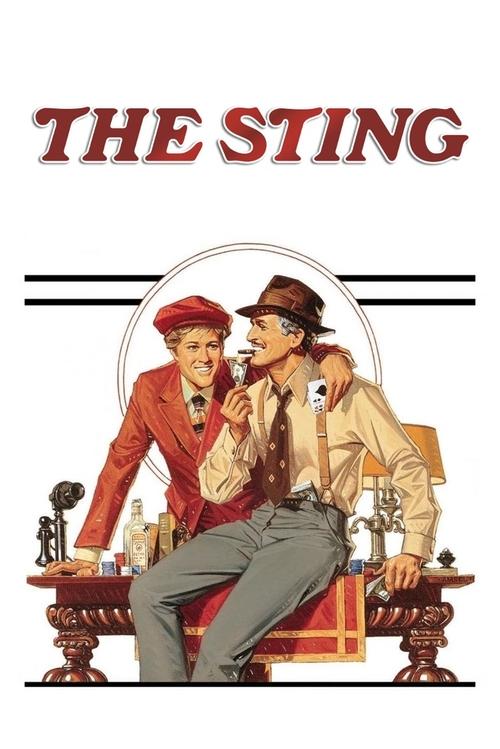
The Sting
American
1973 · Directed by George Roy Hill · 129 min


Comedy · Crime · Drama
American
1973 · Directed by George Roy Hill · 129 min


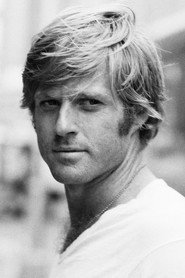




Meaning, unpacked
Central idea
The film can be read as a celebration of performance itself: a story in which craft, patience and teamwork matter more than violence, and in which the pleasure lies in watching skilled people do their work.
What it means
A murder starts the story, but the answer isn't a killing in return. Hooker and Gondorff build a fake betting parlour and take the killer Lonnegan's money. He is humiliated and ruined. Justice arrives through cleverness, not bloodshed, and that is why the revenge feels so satisfying.
At heart, The Sting celebrates performance. Con artistry is treated like theatre, with scripts, sets, rehearsals and casting. Think of the train poker game, where Gondorff cheats Lonnegan while playing a loud, abrasive drunk: a good con depends on character acting. Loyalty inside the crew is the moral centre, and the final reversal recasts earlier events as performance. The pleasure is watching skilled people do their work.
Why it mattered
In 1973, much American cinema was grim. The Sting went the other way, pairing a nostalgic Depression-era setting with an easy sense of fun. It revived the polished craft of classical studio filmmaking, and did it deliberately: titled chapters like The Set-Up and The Hook mirror the stages of a con, while iris-outs and wipes are borrowed from 1930s studio films.
It was never meant as a documentary. Much of it was shot on studio backlots, the con games are simplified, and Marvin Hamlisch's score adapts Scott Joplin rags written decades before the 1936 setting. Henry Bumstead's sets and Edith Head's costumes, both Oscar winners, build a remembered past, not a real one. The playful artificiality is the point.
Before anyone tells you what to think: what did you make of it?
Log in to rate it and leave commentsIt takes one click with Google or an email link. You come straight back here.
Rate it, keep your notes, and find the next film.
Free, no ads. Your journal, your lists, a Cine Guide that remembers you.
Create your free spaceAudiences embraced it at once, and it became one of the biggest box-office hits of 1973 and 1974. At the Academy Awards in April 1974 it won seven of its ten nominations, including Best Picture and Best Director. It set the template for the modern con-and-caper film: a charming crew, an elaborate plan and a last-act reversal, as in Ocean's Eleven. Hamlisch's arrangement of The Entertainer became a US Top Five hit and revived interest in Joplin.
Some critics thought it lighter than the more daring American films of its day, and later ones still find it slight beside the darker classics of the decade. Yet it remains the benchmark caper comedy. It never pretends to be more than a very good trick, and it plays that trick beautifully.
What happens
The raid looks like a disaster: FBI agents burst in and Hooker and Gondorff are shot. It is all staged. The agents are part of the crew, and Lonnegan and Snyder flee in panic while the two men rise and walk off with the money.
The last image
Hooker and Gondorff, very much alive, leave the emptied parlour together, having taken everything from Lonnegan.
What it says
The ending turns the whole film into one performance, and it pays off your attention. Lonnegan is ruined by cleverness, not violence, which fits a story that treats craft, teamwork and trust as more satisfying than revenge by force.
Or follow an idea from this film
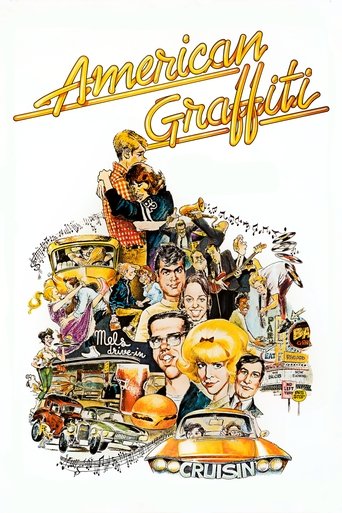

Explore the era or movement
American Graffiti (1973)
Released the same year, it also looks back at a past era with affection and a period soundtrack, showing the nostalgic strand of 1970s Hollywood.
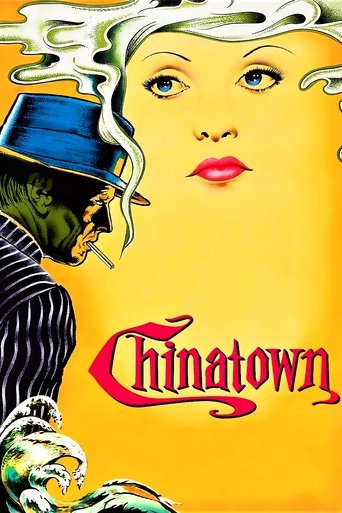
Compare another approach
Chinatown (1974)
Another 1930s-set American crime film from the same era, but dark and fatalistic where The Sting is playful. The contrast is instructive.
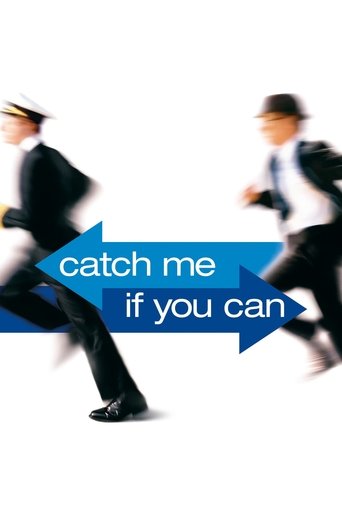
Follow the idea
Catch Me If You Can (2002)
A later period film about charming deception, showing how the con-artist story evolved.
See what influenced it
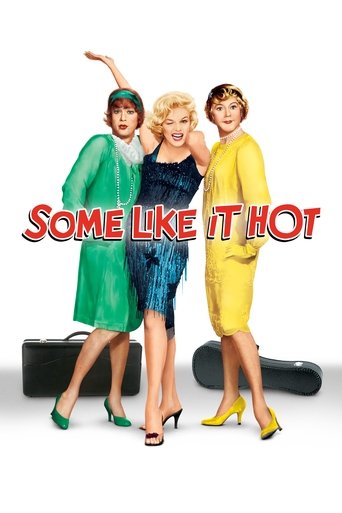
Some Like It Hot (1959)
Another stylish comedy of disguise and performance, set in an earlier era, with a similar ease of tone.
Jump forward
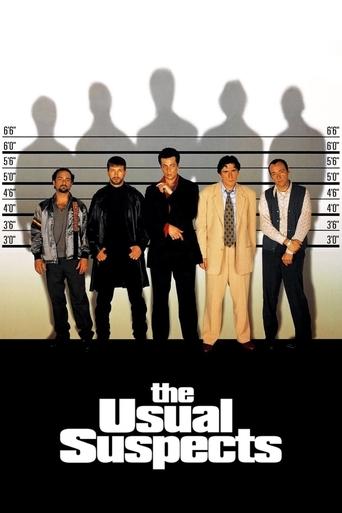
The Usual Suspects (1995)
A later crime film built around deception and a final reversal, showing a more cynical development of the form.