Drama
The Square
Swedish
2017 · Directed by Ruben Östlund · 151 min


Drama
Swedish
2017 · Directed by Ruben Östlund · 151 min





Meaning, unpacked
Central idea
The film can be read as a test of whether liberal, well-meaning people act on their ideals when the cost is personal. The museum's installation preaches trust and responsibility, while its curator's behaviour, and the culture around him, keeps showing the distance between statement and conduct.
What it means
The Square works as a test. Do well-meaning, liberal people act on their ideals when the cost is personal? Christian is a museum curator whose phone and wallet are stolen in a staged street emergency. His museum's new installation preaches trust and responsibility, yet he, and the culture around him, keep showing the distance between what is said and what is done.
That gap is the film's engine. Institutions and individuals speak the language of care and inclusion, then fail to use it. People look away, as the bystander effect plays out from the opening street scene onward. The poor, the homeless and the immigrant suburbs sit at the edges of the frame, noticed only when they become an inconvenience. Christian's confidence and vanity are exposed again and again, and you can read his embarrassment as a kind of debt being collected. Even his late apology refuses the redemption a conventional drama would offer, and repair stays uncertain. The last question is a quiet one: when nobody is watching and it costs you something, what do you do?
Why it mattered
The Square won the Palme d'Or at Cannes in 2017, which surprised some observers given its provocative comic tone. It was Ruben Östlund's first, and it made him an international name and a Cannes regular. It also earned a nomination for Best Foreign Language Film for Sweden, though it did not win. It is a defining example of the wave of European satire in the 2010s about class, status and moral performance.
Before anyone tells you what to think: what did you make of it?
Log in to rate it and leave commentsIt takes one click with Google or an email link. You come straight back here.
Rate it, keep your notes, and find the next film.
Free, no ads. Your journal, your lists, a Cine Guide that remembers you.
Create your free spaceWhat felt fresh was how it builds comedy from embarrassment rather than punchlines. Östlund favours wide, still shots with several people in the frame, so you decide where to look and whom to judge. He holds scenes past their natural end, turning small awkwardness into real tension. The plot is a chain of linked incidents rather than one arc, together forming a portrait of a milieu. Quiet, sparse sound and gallery-white interiors keep the world cold and controlled, so disruptions land harder.
The film helped establish a strain of uncomfortable, long-take satire about status and hypocrisy in international art cinema. It led directly to Östlund's second Palme d'Or, for Triangle of Sadness in 2022, which has a similar structure and tone. Today The Square sits at the centre of his trilogy of social satire, between Force Majeure and Triangle of Sadness. If you want to go on, those are the two to watch.
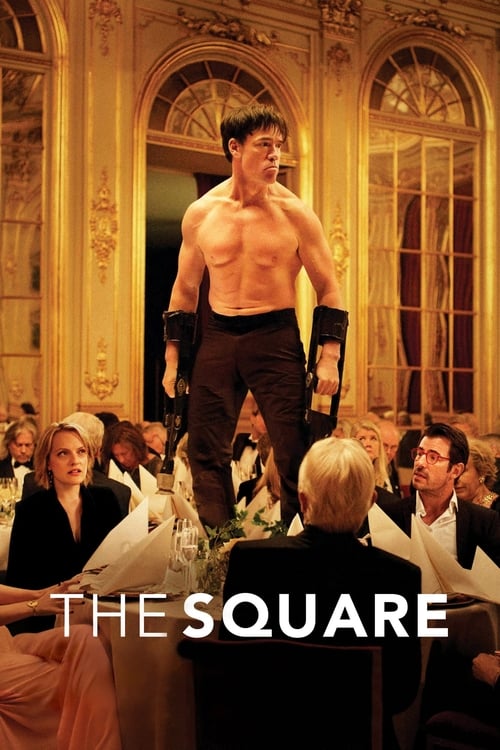
Reception was split in useful ways. Critics largely praised the sharp satire and daring set pieces, though some found it overlong or too schematic. The gala dinner divided audiences: some admired its nerve, others found it prolonged or heavy-handed. Yet it is often cited as the film's signature. Its picture of performative virtue and online outrage has aged as more relevant than it was at release. It is also not simply a joke at the art world's expense. The museum is the setting, but the targets are middle-class morality, media culture and everyday avoidance of responsibility.
What happens
Christian resigns after the video scandal. Feeling the weight of the letter he sent the boy's family, he goes to apologise but cannot find the boy. The apology is never delivered, and the film simply stops there.
The last image
Christian's search for the boy ends with the apology undelivered, leaving his moral standing unresolved.
Two readings
What it says
The ending turns the film's test on Christian himself. By refusing him the redemption a conventional drama would offer, Östlund shows that good intentions arrive late and repair is never guaranteed. The question is left with you.
Or follow an idea from this film


Continue the director
Triangle of Sadness (2022)
Östlund's follow-up applies the same uncomfortable comedy to fashion, wealth and a luxury cruise, and shares this film's interest in status and hypocrisy.
See what influenced it
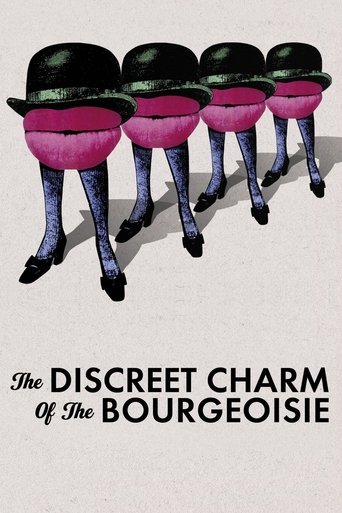
The Discreet Charm of the Bourgeoisie (1972)
Buñuel's surreal comedy of polite dinners that never go as planned is an older model for exposing the weakness of middle-class manners.
Compare another approach
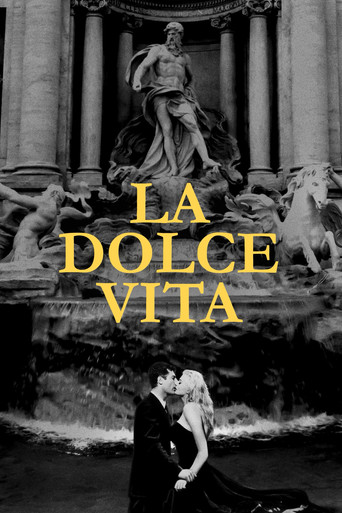
La Dolce Vita (1960)
Fellini's portrait of a media-saturated, status-obsessed elite shows an earlier art-cinema satire built on episodes, with a drifting, compromised central figure.
Follow the idea
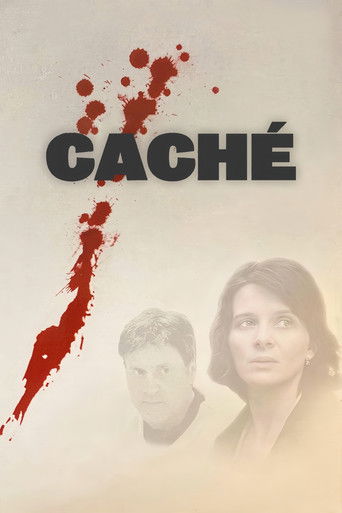
Caché (2005)
Haneke's film treats guilt, class and responsibility with a colder, more tense approach, and shows the stylistic tradition Östlund works in.

Explore the era or movement
Toni Erdmann (2016)
Another European art-house comedy of the same period that stretches awkward situations over a long running time and mocks corporate and social conventions.