Drama · Fantasy
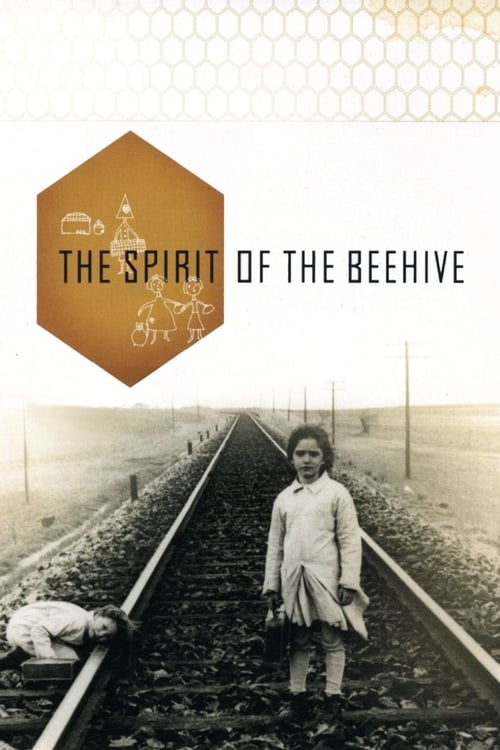
The Spirit of the Beehive
Spanish (El espíritu de la colmena)
1973 · Directed by Víctor Erice · 98 min


Drama · Fantasy
Spanish (El espíritu de la colmena)
1973 · Directed by Víctor Erice · 98 min



Meaning, unpacked
Central idea
The film can be read as a study of how a child builds a private myth in a household and country where nothing important can be said aloud. It links cinema, imagination and the silence of postwar Spain.
What it means
Frankenstein comes to a village, and a little girl named Ana decides the monster is real. That is nearly all the plot. The film is about what happens inside Ana while the grown-ups around her say almost nothing.
At its heart is how a child builds a private myth in a house, and a country, where nothing important can be said aloud. Her father has his bees, her mother her letters, and each adult lives in a separate world. So Ana must make her own sense of fear and death, and the monster gives her a shape for feelings she has no words for. The film never tells you she is wrong. It treats her belief with respect, not as a mistake to be corrected. Look, too, at the beehive of the title: a closed, orderly colony that is hard not to compare with an enclosed, regimented society.
Why it mattered
Made in 1973, with Franco still in power and censorship in force, the film said its most serious things through indirection. Its political force depends on what is left unsaid. A film about a child, a monster and a house in the countryside could speak about silence and repression without naming them, and Spanish audiences understood.
It was also a new kind of filmmaking. Erice built the story from loosely linked episodes instead of a tight plot, trusted long takes on Ana Torrent's face, and let wind, trains and distant voices matter more than music. Producer Elías Querejeta gave Erice, a first-time solo feature director, the means to work slowly. In Spain the response was divided but serious: many found it slow, yet critics recognised an unusual new voice, and it won the top prize at San Sebastián.
Before anyone tells you what to think: what did you make of it?
Log in to rate it and leave commentsIt takes one click with Google or an email link. You come straight back here.
Rate it, keep your notes, and find the next film.
Free, no ads. Your journal, your lists, a Cine Guide that remembers you.
Create your free spaceThe film shaped a whole tradition of stories that see war and dictatorship through a child's eyes. You can follow its influence to Carlos Saura's Cría cuervos and to Guillermo del Toro's The Devil's Backbone and Pan's Labyrinth. Del Toro has cited it as an inspiration. The image of small Ana whispering "Soy Ana" became shorthand for childhood imagination colliding with fear, and it made Torrent one of Spanish cinema's best-known child actors.
Its reputation grew steadily for decades, at home and abroad. Today it is regarded as one of the central films of Spanish cinema and a standard reference on childhood in film. Early readings stressed its anti-Franco subtext; later ones also value its poetry and its refusal to explain itself. It is widely taught and screened, and when Erice's Close Your Eyes brought Torrent back in 2023, many saw a nod to this film.
What happens
Ana, ill after her night by the water, is back at home and the household returns to its quiet routines. At her window she whispers that she is Ana, calling to the spirit, and believes he still exists.
The last image
Ana at her bedroom window in the dark, whispering to the spirit that she is Ana, her belief intact.
Two readings
What it says
The film won't correct Ana. It ends on her imagination, not on an explanation, because what fills a child's silence matters more than what adults say. In a country where nothing could be said aloud, the myth is her own voice.
Or follow an idea from this film

See what influenced it
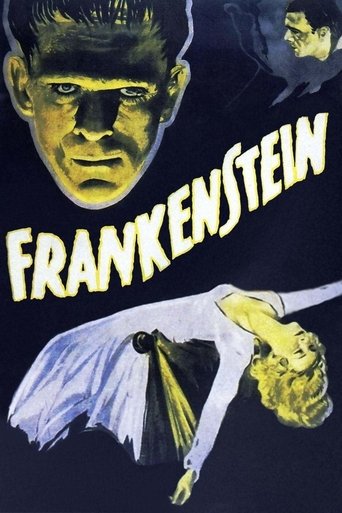
Frankenstein (1931)
The film Ana sees. Watch it for the lakeside scene and see how a child could read it as real.
See its influence
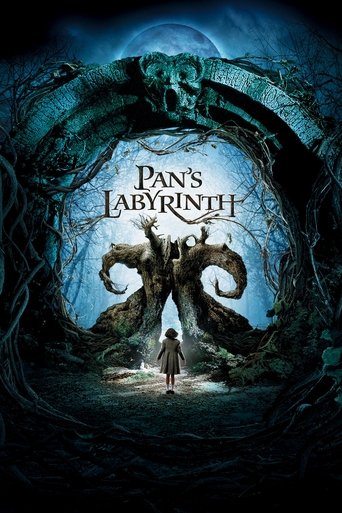
Pan's Labyrinth (2006)
A later Spanish-set fantasy in which a girl's imagination answers real violence, more explicit than Erice's film.

Compare another approach
Forbidden Games (1952)
Another study of children responding to war and death, with a similar mix of innocence and seriousness.
Explore the era or movement
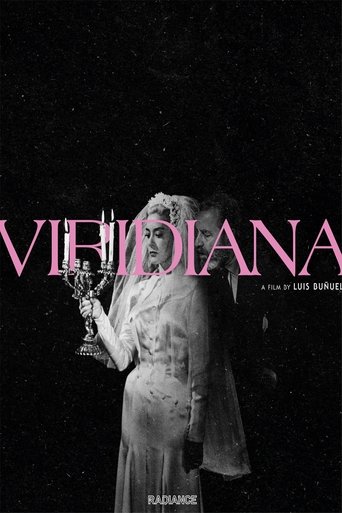
Viridiana (1961)
Luis Buñuel's film, made under Franco, shows a more savage Spanish dissent, a useful contrast to Erice's gentleness.
Follow the idea
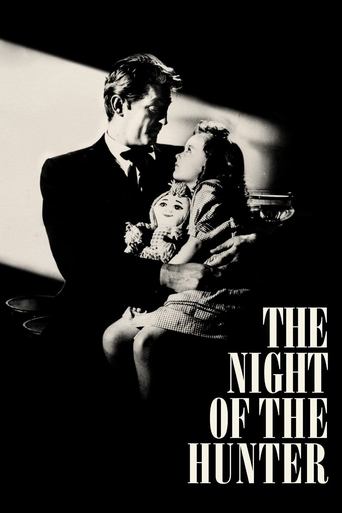
The Night of the Hunter (1955)
Children's perspective, poetic imagery and a fairy-tale threat make this a natural companion in tone.