Mystery · Thriller · Drama
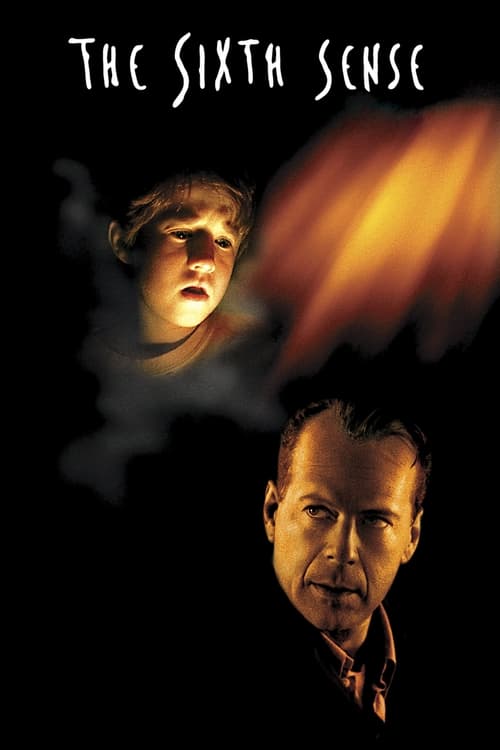
The Sixth Sense
American
1999 · Directed by M. Night Shyamalan · 107 min


Mystery · Thriller · Drama
American
1999 · Directed by M. Night Shyamalan · 107 min








Meaning, unpacked
Central idea
The film is fundamentally about communication and unfinished business: the pain of not being heard, and the relief of finally saying what needs to be said. It can be read as a ghost story that is really a story about grief and healing.
What it means
On the surface, The Sixth Sense is a ghost story. A child psychologist tries to help a frightened boy, Cole, who says he sees the dead. Late in the film the doctor learns something about himself that recasts everything you have just watched. But that reveal is not really what the film is about.
At its heart it is about communication, grief and healing. Cole is isolated because nobody takes him seriously, and the film treats listening without judgment as the first act of healing. The ghosts are held back by something they never said or never understood, and they are released by speech, not force. The same silence separates the living: Cole and his mother, the doctor and his wife, even in the same room. Fear is shown as part of a child's daily life, and it eases once it is understood. Both central figures also find purpose by helping someone else.
Why it mattered
In 1999 the big thrillers leaned on effects and noise. The Sixth Sense showed that a quiet, character-led story could win a huge audience. It built unease with patient long takes, slow pushes, shots through doorways, a sparing mournful score and silence. It trusted performance: Bruce Willis, known as an action star, played a withdrawn, vulnerable doctor, and young Haley Joel Osment avoided child-actor cuteness.
It also played fair. Clues sit in dialogue, staging and action, so many scenes work on two levels at once. A deliberate red, on a doorknob, a balloon and a dress, gives the film a quiet visual code you notice mostly on a second viewing. Surprise endings were nothing new, from Psycho to Planet of the Apes, but this film turned the device into a modern commercial phenomenon.
Before anyone tells you what to think: what did you make of it?
Log in to rate it and leave commentsIt takes one click with Google or an email link. You come straight back here.
Rate it, keep your notes, and find the next film.
Free, no ads. Your journal, your lists, a Cine Guide that remembers you.
Create your free spaceIt spread by word of mouth after its August release, stayed in cinemas for months, and had audiences coming back to see it again. It earned six Oscar nominations, including Best Picture, Best Director and Best Original Screenplay, though it won none. It set off a wave of films built on a final reversal, made restrained supernatural drama viable again, as in The Others, and made the twist a marketing tool. Its mark is everywhere: "I see dead people" became one of the most quoted lines of the year, Scary Movie spoofed it, and "don't spoil the twist" became a common worry. Shyamalan's name became shorthand for a surprise ending, and his later work is judged against it, a running joke in itself.
Today it remains his most acclaimed film. Its reputation rests less on the reveal than on its heart and craftsmanship. The twist only works once. The kindness at the centre works every time.
What happens
Malcolm realises he has been dead since Vincent shot him, which explains Anna's silence and why only Cole responded to him. Once Cole is healed, Malcolm says goodbye to Anna and finally lets go.
The last image
Anna sleeps at home while Malcolm sits near her, and her wedding ring slides from her hand as he says his goodbye.
What it says
Malcolm's own unfinished business was never spoken: he needed to tell Anna she was never second in his life. The film ends on release, not shock, because speaking what needs saying is what heals, for the living and the dead.
Or follow an idea from this film

Continue the director
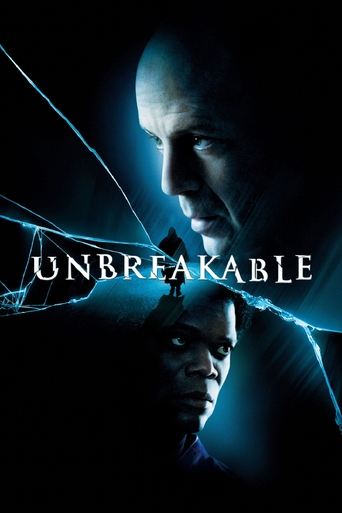
Unbreakable (2000)
Shyamalan reunites with Willis for a slow, serious take on the superhero story, using the same patient style and emotional focus.
Follow the idea
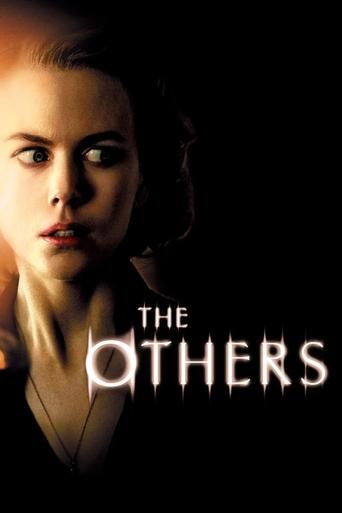
The Others (2001)
Another quiet, atmospheric tale built around a hidden truth, with a similar emphasis on mood, performance and restraint.
See what influenced it
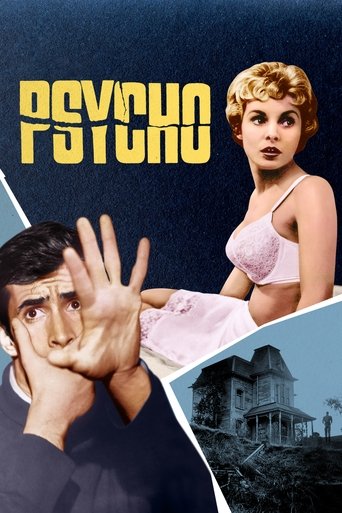
Psycho (1960)
Hitchcock's thriller shows the older tradition of building suspense through structure, point of view and withheld information.
Compare another approach
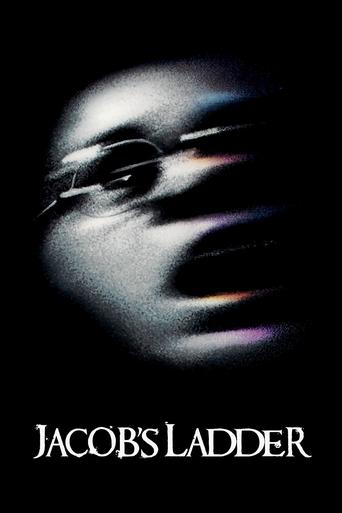
Jacob's Ladder (1990)
A very different approach to a story about a man whose understanding of his own circumstances is unstable, darker and more disorienting.
Explore the era or movement
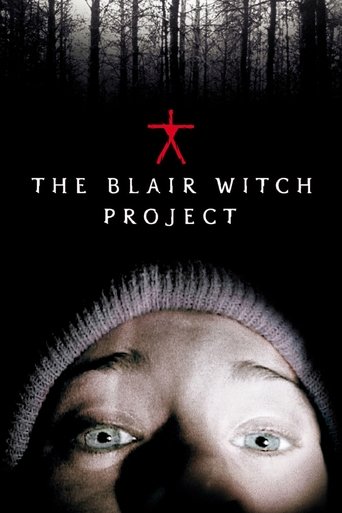
The Blair Witch Project (1999)
Released the same summer, it also made fear out of suggestion rather than spectacle, but with a raw, low-budget method.