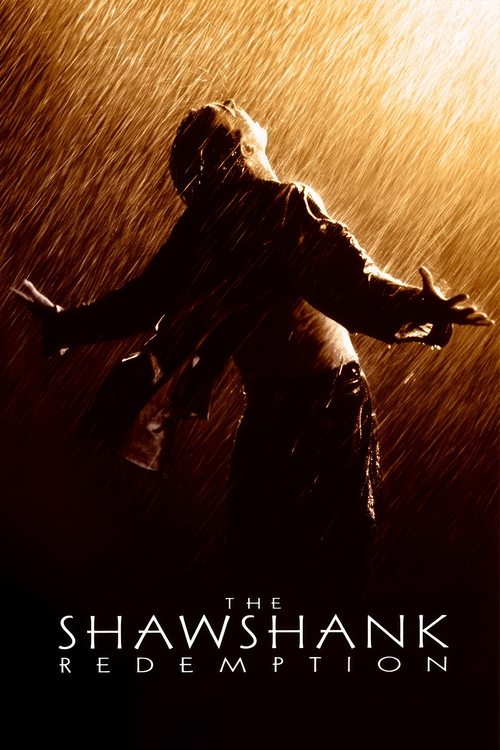
Drama · Crime
The Shawshank Redemption
American
1994 · Directed by Frank Darabont · 142 min


Drama · Crime
American
1994 · Directed by Frank Darabont · 142 min








Meaning, unpacked
Central idea
The film can be read as an argument that inner freedom survives institutions, but only when it is exercised through patience, craft and companionship. Hope here is not a mood. It is work done in secret, over years.
What it means
Andy Dufresne is sent to Shawshank, befriends Red, and years later vanishes through a tunnel he has been digging all along. But the film is arguing something, and it is worth pinning down. Its central idea is that inner freedom can survive an institution, but only if you work at it. Hope here is not a mood. It is work done in secret, over years, through patience, craft and companionship.
That is why the film sets Andy against Red. Andy treats hope as habit and planning; Red thinks it is dangerous, and the film tests which of them is right. Brooks is the warning: paroled, he finds the world too big, because the walls have become home. Against that, the film offers dignity through work, from Andy's accounts to his library, and a friendship built from small favours and conversation that keeps both men human.
Why it mattered
When it came out in 1994, The Shawshank Redemption did not look like a landmark. It was Frank Darabont's first feature, adapted from a Stephen King novella that is nothing like his horror. It leaned on voice-over, long stretches of time and small objects rather than spectacle. By telling the story through Red instead of Andy, it kept Andy partly unknowable, so you learn to read him slowly, as the inmates do.
It also arrived quietly. Its cinema run was disappointing, in a year crowded with hits like Forrest Gump and Pulp Fiction, and it lost money at first. But reviews were strong and it earned seven Oscar nominations, including Best Picture. Its real story is that of a film finding its audience afterwards, which says something about how home video and television could rewrite a film's fate.
Before anyone tells you what to think: what did you make of it?
Log in to rate it and leave commentsIt takes one click with Google or an email link. You come straight back here.
Rate it, keep your notes, and find the next film.
Free, no ads. Your journal, your lists, a Cine Guide that remembers you.
Create your free spaceShawshank set a template for the humane prison drama and for the modern word-of-mouth classic. Darabont returned to King with The Green Mile in 1999, and the film's voice-over and ending are widely referenced and parodied. Morgan Freeman's calm narration is still imitated whenever a world-weary voice is wanted, and "get busy living, or get busy dying" has become everyday shorthand for perseverance.
Today it is one of the most loved American films, often topping audience-voted polls. Some critics find it too comforting, but its emotional force has made it endure. Fans still visit the Ohio State Reformatory in Mansfield, where it was shot, and the lone oak from the ending drew visitors until it fell in 2016.
What happens
Andy escapes through a tunnel he has dug for decades, exposes the warden's corruption, and the warden kills himself. Years later Red is paroled, follows Andy's instructions to Buxton, then Mexico, and they reunite on a beach.
The last image
Red and Andy meet on a Pacific beach in Mexico, two free men together by the water.
What it says
The ending rewards hope that has been worked at, not wished for. Andy's patience pays off in freedom, and Red's walk toward him shows hope can be learned. Freedom comes with a friend waiting.
Or follow an idea from this film
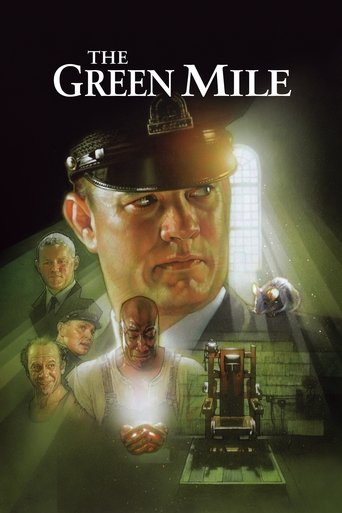

Continue the director
The Green Mile (1999)
Darabont's second Stephen King prison drama shares the narrated, humane and deliberately paced approach, and shows the same strengths and risks.
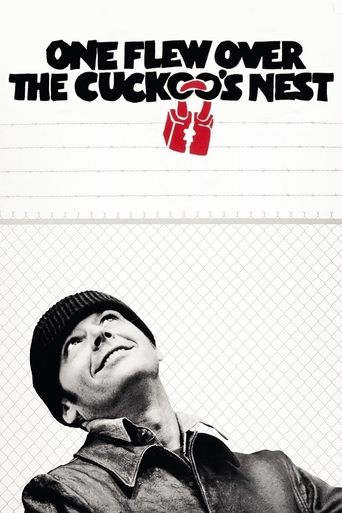
Follow the idea
One Flew Over the Cuckoo's Nest (1975)
Another story of a man pitted against a controlling institution, but with a much more tragic view of what resistance costs.
See what influenced it
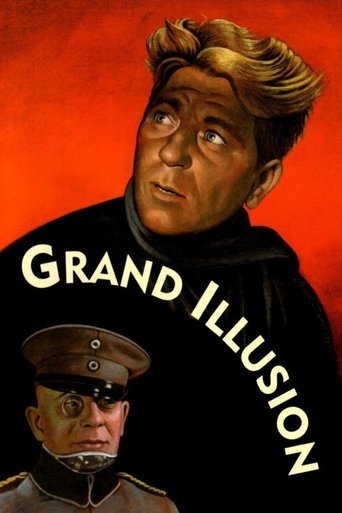
Grand Illusion (1937)
Jean Renoir's prisoner-of-war film is a model for friendship and dignity under confinement, treated with a very different, humanist and political eye.
Explore the era or movement
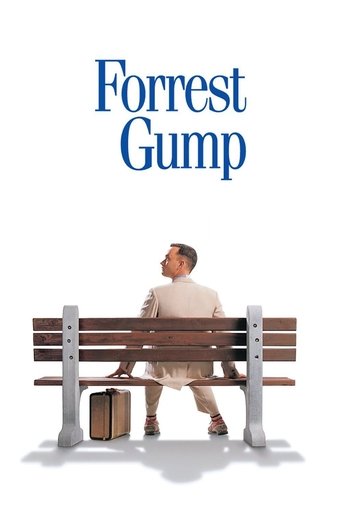
Forrest Gump (1994)
Released the same year and also a narrated, decades-spanning American story, it shows what the era's audience preferred and the film that took the major Oscars.