Drama · Fantasy · Romance
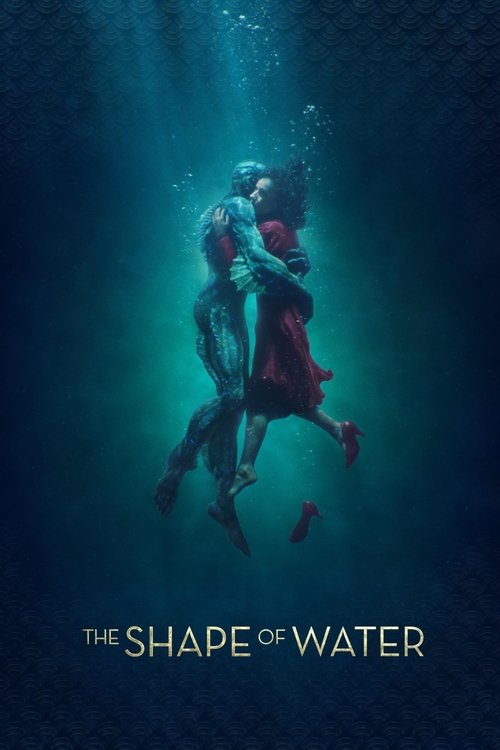
The Shape of Water
American
2017 · Directed by Guillermo del Toro · 123 min


Drama · Fantasy · Romance
American
2017 · Directed by Guillermo del Toro · 123 min











Meaning, unpacked
Central idea
The film is about love as the recognition of someone the world has written off. It can be read as arguing that the truly monstrous are those with power who see other people as objects to use.
What it means
At its heart, The Shape of Water is about love as recognition: seeing someone the world has written off. Elisa cannot speak, and the creature cannot speak her language. Yet they understand each other, because they pay attention. The film suggests that understanding depends on attention, not on a shared tongue. Sign language, music and touch carry more than words ever do.
That idea reaches beyond the central pair. Elisa is mute, her friend Giles is gay, her colleague Zelda is Black. Each is held back by prejudice, and together they form a small community on the margins of 1962 America. Against them stands Strickland, the government man, who speaks for the era's faith in power, success and order. The film turns the old monster story on its head: the creature shows tenderness, and Strickland is the real predator. The monstrous, it argues, are those with power who see other people as objects to use.
Why it mattered
The film grew from a childhood wish. Guillermo del Toro has often said he loved Creature from the Black Lagoon as a child and wanted the creature to win the girl. This is not a remake but an homage, with an original story, characters and setting. It belongs to the monster film's long move from menace to sympathy, and it was made lean, on about 19.5 million dollars, shot largely in Toronto and Hamilton with real period locations reworked.
Much of the story is told through images. The opening dream and morning routine come before any plot, teaching you to read the film through pictures, not dialogue. The black-and-white musical fantasy steps out of realism into song and dance, showing that Elisa can express herself fully only in imagination. Design, colour, Dan Laustsen's gliding camera and Alexandre Desplat's score carry the feeling, and Doug Jones's graceful creature suit makes the romance believable.
Before anyone tells you what to think: what did you make of it?
Log in to rate it and leave commentsIt takes one click with Google or an email link. You come straight back here.
Rate it, keep your notes, and find the next film.
Free, no ads. Your journal, your lists, a Cine Guide that remembers you.
Create your free spaceThe film premiered at the Venice Film Festival in 2017 and won the Golden Lion. It earned over 195 million dollars worldwide and took 13 Oscar nominations and four wins: Best Picture, Best Director, Best Original Score and Best Production Design. That success encouraged studios to back adult, genre-based fantasy. It made sympathetic, even desirable monsters a recognisable pop-culture idea, and it led on to Nightmare Alley in 2021 and del Toro's Frankenstein in 2025.
Today it is seen as one of del Toro's most complete and accessible works, a rare studio-backed fairy tale for adults. It is not beyond argument. Some critics found its politics and villain too schematic. People still debate whether the Best Picture win was deserved, and its handling of its villain and of disability has drawn criticism. Perhaps its lasting gift is the question it leaves you with: who would you choose to see, when the world has taught you to look away?
What happens
Strickland shoots Elisa and the creature at the canal. The creature heals himself, kills Strickland, and carries Elisa into the water, where the scars on her neck open into gills and she revives. She has become like him, and they will live together.
The last image
Elisa and the creature embrace beneath the water, her new gills open, as the sea takes them in.
What it says
Elisa was written off as mute and alone; the sea is where she is finally seen. The ending rewards attention over power, and as in a fairy tale, the monstrous man dies while the outsiders are made whole.
Or follow an idea from this film
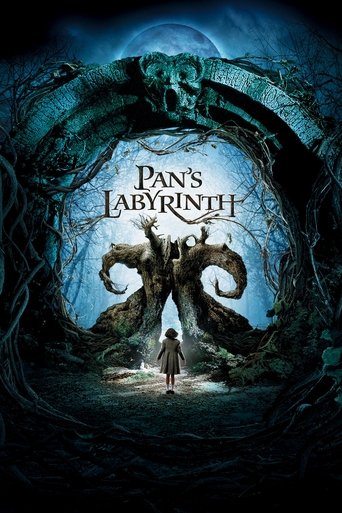

Compare another approach
Pan's Labyrinth (2006)
Del Toro's other great fairy tale for adults. It sets a young girl's imagination against fascist violence, and shares the same sympathy for outsiders.
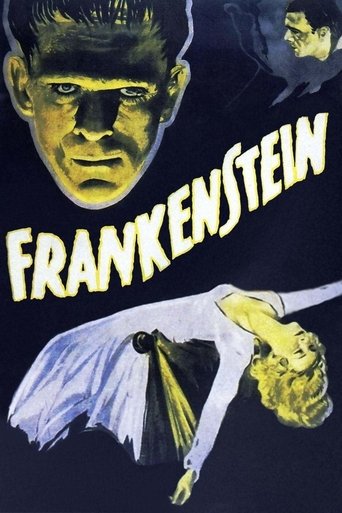
See what influenced it
Frankenstein (1931)
The model for the sympathetic monster. Compare how the creature is treated by society and what the film asks you to feel.
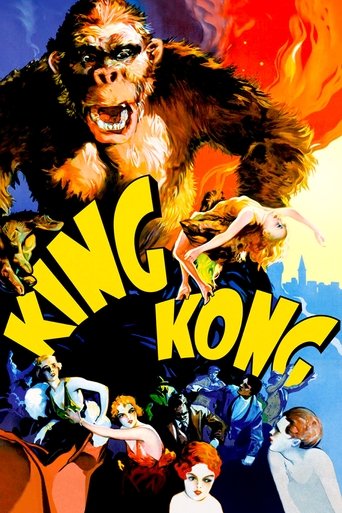
See what influenced it
King Kong (1933)
Another monster that is both captive and exhibit, and the classic film in which a creature and a woman share a bond.
Follow the idea
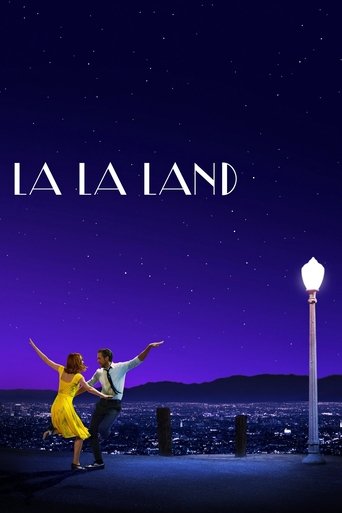
La La Land (2016)
A recent romance that revives old Hollywood musical style, with design and colour carrying emotion.
Follow the idea
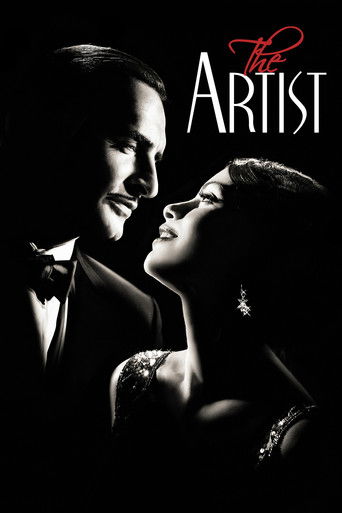
The Artist (2011)
A modern film in which the lack of speech is the method, similar to Hawkins's wordless performance.