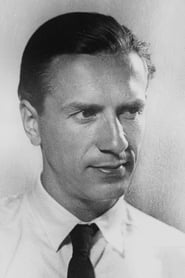
Fantasy · Drama
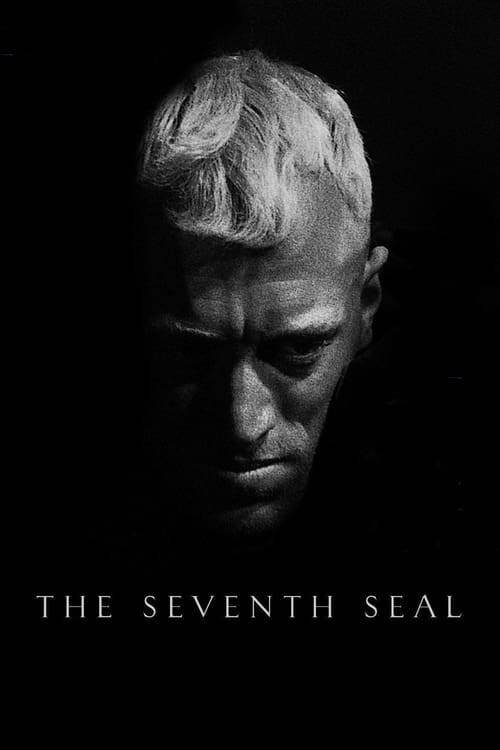
The Seventh Seal
Swedish (Det sjunde inseglet)
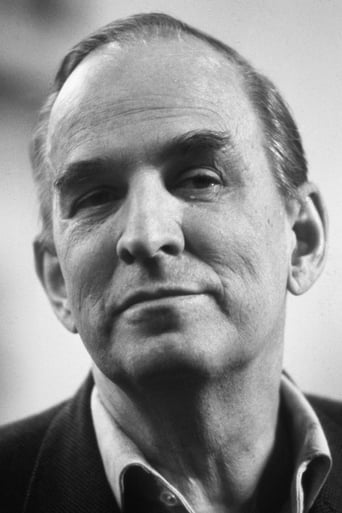
1957 · Directed by Ingmar Bergman · 96 min


Fantasy · Drama
Swedish (Det sjunde inseglet)
1957 · Directed by Ingmar Bergman · 96 min
Meaning, unpacked
Central idea
The film puts the question of whether life has meaning in a world where God appears silent. It can be read as a debate between faith, doubt and simple human kindness, ending in small, human acts of value rather than any answer.
What it means
A knight comes home from the Crusades and finds Death waiting on a beach. He challenges Death to a game of chess to buy time, because he wants one thing before the end: proof that God exists. He never gets it. The film asks whether life has meaning when God seems silent, and it does not answer. The knight's need for certainty is shown as a torment.
Around him, the plague is a daily fact, met with panic, cynicism, cruelty and acceptance. The flagellants show religious terror at its most extreme, and the witch burning shows faith used to punish; the film is deeply sceptical of that. Set against it is a quiet meal of wild strawberries and milk with the travelling players: food, rest, kindness to a stranger. It is the film's clearest alternative to fear, and perhaps close to the one meaningful act the knight is looking for. It is not a Christian allegory that affirms faith. It is an open inquiry that values kindness and uncertainty alongside belief.
Why it mattered
In the 1950s, The Seventh Seal showed that a personal, philosophical film from a small country could reach audiences worldwide. It won the Special Jury Prize at Cannes in 1957 and was nominated for the Palme d'Or, and it turned Bergman from a respected Swedish director into an international name. It helped define the postwar art-house film. It was also the rare film where a director's lifelong struggle with faith, as the son of a Lutheran pastor, became the explicit subject.
It did this without money. Bergman shot it in a matter of weeks in 1956, with limited funds, location shooting and his regular actors. Its power comes from design, lighting and performance, not scale. Gunnar Fischer's high-contrast black and white, wide skies and deep shadow often look like medieval painting, with figures set against the horizon. Bergman mixed tragedy with farce, so the squire's bitter jokes and the players' clowning keep the film from hardening into pure allegory.
Before anyone tells you what to think: what did you make of it?
Log in to rate it and leave commentsIt takes one click with Google or an email link. You come straight back here.
Rate it, keep your notes, and find the next film.
Free, no ads. Your journal, your lists, a Cine Guide that remembers you.
Create your free spaceDeath playing chess became one of the most quoted images in cinema, parodied in Woody Allen's Love and Death and Bill & Ted's Bogus Journey. It encouraged filmmakers elsewhere to make personal, philosophical films. Words like Bergmanesque still stand for stark, existential seriousness, sometimes affectionately, sometimes mockingly. It is widely taught in film, philosophy and religion courses, and for many people its flagellants, witch burning and closing dance of death are simply what the Middle Ages looked like.
Today it is one of the most recognised films of the 1950s and a common starting point for world cinema. Not everyone was convinced. Some critics found it heavy and schematic, and that view lingers, especially when it is set beside Bergman's later work. But its images and its central questions endure, and it remains a major art-house success.
What happens
Death finishes the chess game at the knight's castle and takes Block, his wife Karin and his companions. Jof and Mia, whom Block helped escape, survive the storm. Jof then sees the others as figures in a dance across the horizon.
The last image
From shelter after the storm, Jof sees Death leading the knight and his companions, tiny dark figures dancing in a line along the hilltop against the sky.
What it says
Block never gets his proof, and the film doesn't grant one. What he does achieve is small: by delaying Death, he lets the players escape. The film treats that act, and the family it saves, as the closest thing to an answer.
Or follow an idea from this film
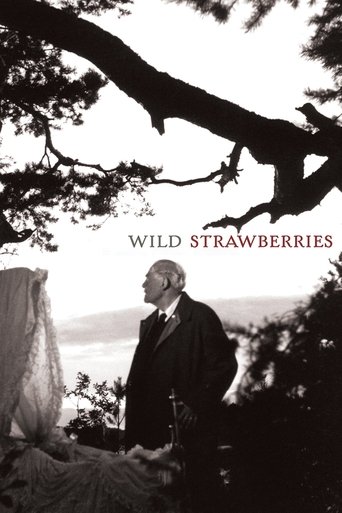

Continue the director
Wild Strawberries (1957)
Bergman's companion film from the same year turns the meditation on death into a quiet, modern road journey through an old man's memories.
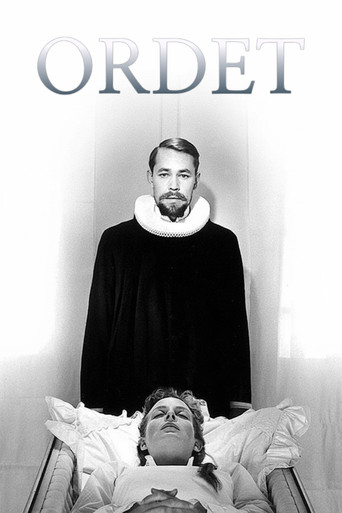
Compare another approach
Ordet (1955)
Carl Theodor Dreyer's film also treats faith, doubt and death with austere images, but arrives at a very different answer to the same questions.
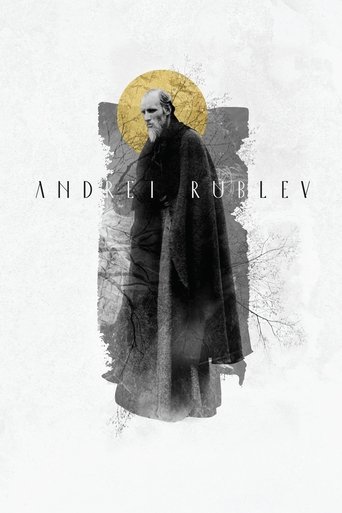
Follow the idea
Andrei Rublev (1966)
Tarkovsky's epic of a medieval icon painter continues the idea of using a medieval setting to explore faith, suffering and art.

See what influenced it
The Phantom Carriage (1921)
This Swedish silent classic shows the national tradition Bergman inherited, including its strong use of Death as a figure of conscience.
Jump forward
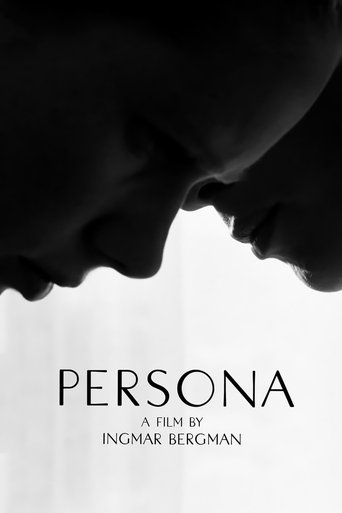
Persona (1966)
Bergman's later experimental film shows how far his style moved from parable to fragmented, psychological modernism.