Mystery · Thriller · Drama
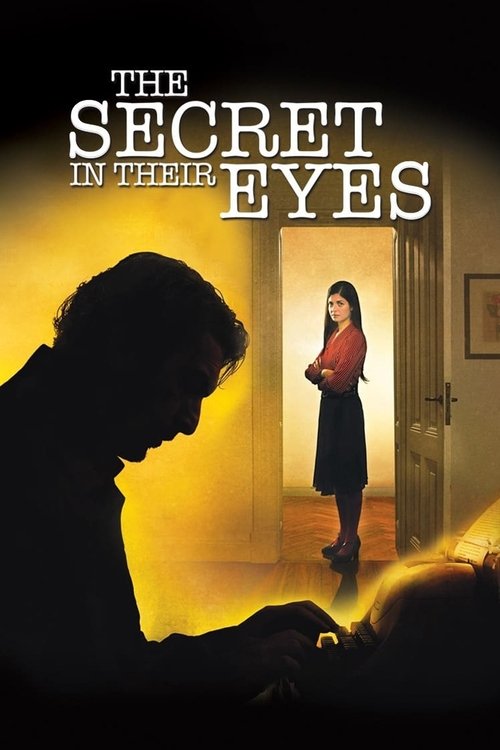
The Secret in Their Eyes
Argentine (El secreto de sus ojos)
2009 · Directed by Juan José Campanella · 130 min


Mystery · Thriller · Drama
Argentine (El secreto de sus ojos)
2009 · Directed by Juan José Campanella · 130 min









Meaning, unpacked
Central idea
The film can be read as a study of an unfinished life: a man who has spent decades unable to close either a case or a love. It asks what justice means when institutions fail, and what a person does with time that cannot be recovered.
What it means
At heart, The Secret in Their Eyes is a study of an unfinished life. Benjamín, a retired legal investigator, sits down to write a novel about an unsolved murder from nineteen seventy-four, and as he writes he is pulled back to the case, and to a woman he never told he loved. For decades he has been unable to close either one. The film asks what justice means when institutions fail, and what a person does with time that cannot be recovered.
Notice how many people are held in place by something unresolved. Benjamín is, and so is Irene. So is Morales, the victim's husband, whose grief has hardened into a way of living. In his house you see what twenty-five years of grief has produced. The question is whether private punishment can be called justice, or only another kind of loss. Around this, the film touches memory (the novel is selective, and writing becomes a confession), unspoken love kept alive in looks and small gestures, and a political backdrop, just before the dictatorship, felt in the plot rather than in speeches. The last written word settles both stories in the same breath. Clinging to the past can be a prison, and the real courage is to finally say what was never said.
Why it mattered
When it arrived in two thousand nine, the film did something unusual: it joined a police procedural, dry workplace comedy and a restrained romance in one story. That mix makes the suspense feel personal rather than mechanical. It also tied a private murder case to the memory of the seventies, in the manner of Argentine cinema, and showed that genre storytelling could carry real moral weight.
Before anyone tells you what to think: what did you make of it?
Log in to rate it and leave commentsIt takes one click with Google or an email link. You come straight back here.
Rate it, keep your notes, and find the next film.
Free, no ads. Your journal, your lists, a Cine Guide that remembers you.
Create your free spaceIt also showed what digital tools can do when they serve the story. The stadium chase looks like one take, sweeping from the sky into the crowd and then into a chase on foot. Digital work hides the joins, and the camera path had to be planned so every transition vanished. What matters is that it makes the hunt feel physical and public, heightening suspense instead of just impressing. Elsewhere the film trusts faces: close-ups of eyes carry the plot, and cutting between nineteen ninety-nine and nineteen seventy-four lets the older characters see their younger selves.
Audiences in Argentina and Spain responded strongly, and it became a major commercial success for an Argentine production. In two thousand ten it won the Academy Award for Best Foreign Language Film, beating strong favourites including Michael Haneke's The White Ribbon and Jacques Audiard's A Prophet. Its success strengthened international interest in Argentine and Spanish-language cinema and showed that a character-driven thriller could reach a global audience. A US remake followed in twenty fifteen. It also cemented Ricardo Darín as Argentina's best-known screen actor.
Today it is regarded as one of the best Argentine films of its generation, and a rare crossover between thriller and adult romance. The talk has shifted from the stadium shot to the moral weight of its ending. It is often discussed alongside Argentina's memory of the past and the impunity that followed, including in classes on the country's history and cinema. Sandoval's drunken line, that a man can change his face, home, family or God, but not his passion, remains one of its most quoted.
What happens
Benjamín discovers that Morales has kept Gómez locked in a remote house for twenty-five years, never allowed to speak. Shaken, Benjamín returns to Irene, finishes his book, and finally admits what he has always felt.
The last image
Irene leaves her office door open as Benjamín stands before her, finally ready to speak.
What it says
Morales shows what grief becomes when it never moves on: a life held in place, as much a prison for him as for Gómez. Benjamín refuses that fate, and the open door says the real courage is to speak.
Or follow an idea from this film

Follow the idea
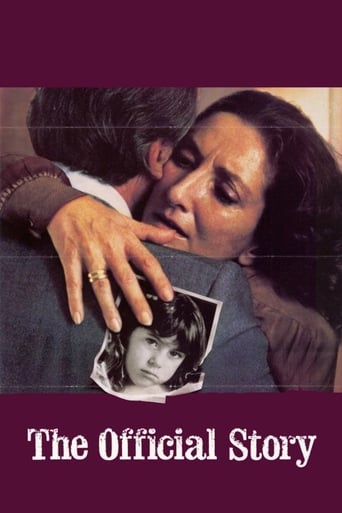
The Official Story (1985)
Argentina's best-known film about the dictatorship years. It deals with the same national memory that sits behind Campanella's thriller, in a more openly political register.
Compare another approach
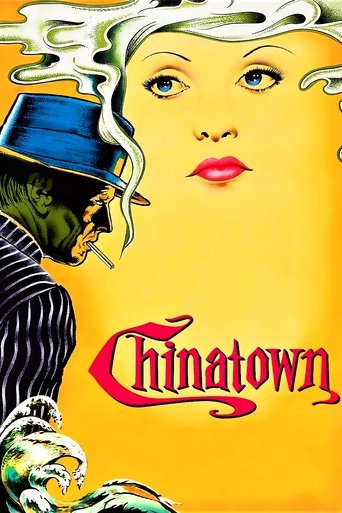
Chinatown (1974)
Another investigator-driven mystery set in the past, in which a solved case leads to disillusionment about power. A useful contrast in endings.
See what influenced it
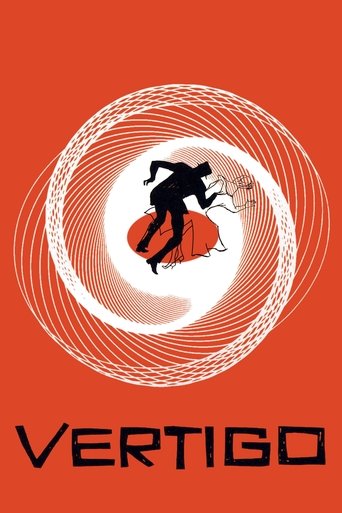
Vertigo (1958)
Hitchcock's study of obsession and a past that cannot be set right. It shows the emotional tradition Campanella draws on.
Compare another approach
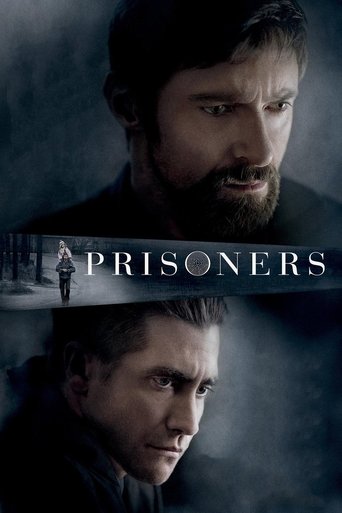
Prisoners (2013)
A modern thriller that asks the same question of how far a person will go when official justice seems inadequate.