Western · Drama · Adventure
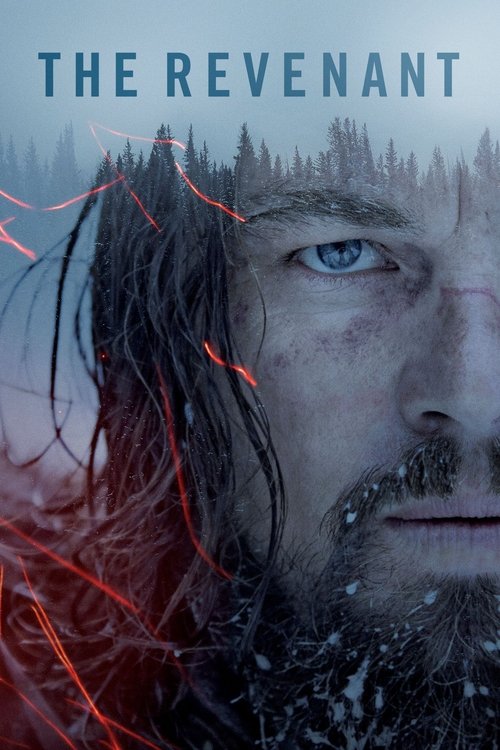
The Revenant
American
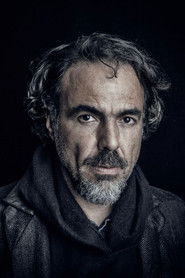
2015 · Directed by Alejandro G. Iñárritu · 157 min


Western · Drama · Adventure
American
2015 · Directed by Alejandro G. Iñárritu · 157 min









Meaning, unpacked
Central idea
The film can be read as a study of what keeps a human being alive when everything is taken: revenge as a driver, but also faith, memory and the pull of family, set against a landscape indifferent to all of them.
What it means
Hugh Glass is mauled by a bear and left for dead, and he crawls across a frozen frontier after the man who wronged him. That is the whole story, and the simplicity is the point. The Revenant works like a fable: a basic quest broken up by dreams and flashbacks of Glass's lost family, so it feels mythic rather than plotted.
At its heart is one question: what keeps a person alive when everything has been taken? Revenge is one answer. Faith, memory and the pull of family are others, all set against a landscape that doesn't care about any of them. Survival is shown as stubborn, ugly mechanics, not triumph. Grief drives it, and Glass's bond with his son shapes every step. The film keeps asking whether vengeance can settle anything, and who has the right to claim it. Then Glass looks straight into the camera and hands that question to you.
Why it mattered
The film pushed immersive digital filmmaking further than almost any big-budget film before it. Emmanuel Lubezki shot with natural light, wide lenses and a camera placed very close to the actors, so frost and breath sometimes touch the lens. Shooting was limited to short windows of daylight, often just a couple of hours a day. It was punishing, but it gave the images their cold, pale glow.
It was also shot largely in chronological order in remote places, and the strain on cast and crew seeps into the picture. The bear attack shows the method at its clearest: one long, close, seemingly continuous take that makes the violence feel physical and unavoidable. It also stripped the Western of its romance, treating the frontier as a brutal, spiritual and colonial space.
Before anyone tells you what to think: what did you make of it?
Log in to rate it and leave commentsIt takes one click with Google or an email link. You come straight back here.
Rate it, keep your notes, and find the next film.
Free, no ads. Your journal, your lists, a Cine Guide that remembers you.
Create your free spaceLubezki won his third Best Cinematography Oscar in a row, which cemented natural-light, long-take digital filmmaking as a prestige style. The film also fed the 2010s wave of physically immersive survival cinema and revisionist, landscape-heavy Westerns. It was a clear commercial success and led the 2016 Oscar field with twelve nominations, winning three: Best Director for Alejandro G. Iñárritu, Best Actor for Leonardo DiCaprio, and Best Cinematography.
Critics widely praised the cinematography, the sound and DiCaprio's commitment, though some found it too solemn and too fixed on suffering. Today it is admired mostly for its technical achievement, and it is a regular case in the argument over spectacle versus substance. Its treatment of Native characters is now discussed more critically: they pursue their own losses and aims, but the story still centres on Glass.
What happens
Glass lets the river carry the wounded Fitzgerald to the Arikara, who kill him. Glass doesn't deliver the final blow himself. Revenge is carried out, but not by his hand, and it leaves him empty rather than satisfied.
The last image
Glass, exhausted, looks straight into the camera as the film ends.
Three readings
What it says
The film asks whether vengeance can settle anything, and who has the right to claim it. Glass's look hands that question to you. His grief and his will to live carried him this far, and the ending lets you decide what it was worth.
Or follow an idea from this film


See what influenced it
Aguirre, the Wrath of God (1972)
Herzog's journey into a hostile landscape, filmed in real locations, shows the older, rougher model of nature as ordeal and obsession.
Compare another approach
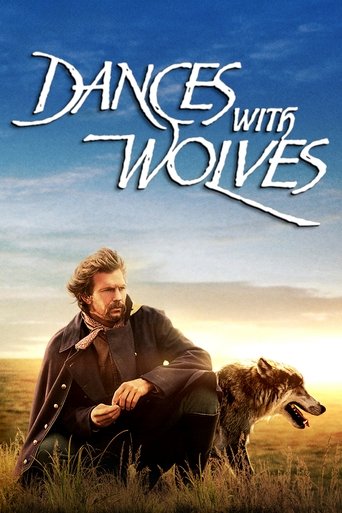
Dances with Wolves (1990)
Another long frontier epic, but with a redemptive, sympathetic view of Native life. Comparing them shows how the genre's moral tone shifted.
Continue the director
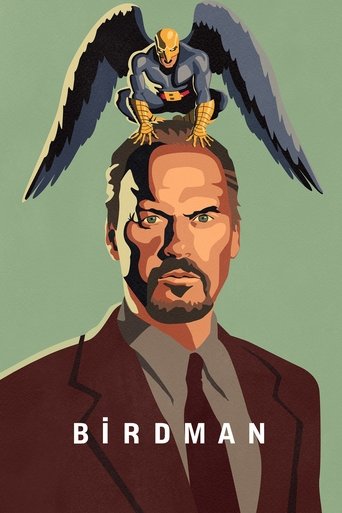
Birdman or (The Unexpected Virtue of Ignorance) (2014)
Iñárritu and Lubezki's previous collaboration, a city-bound, seemingly single-take film that shows where the Revenant's fluid camera came from.
Explore the era or movement
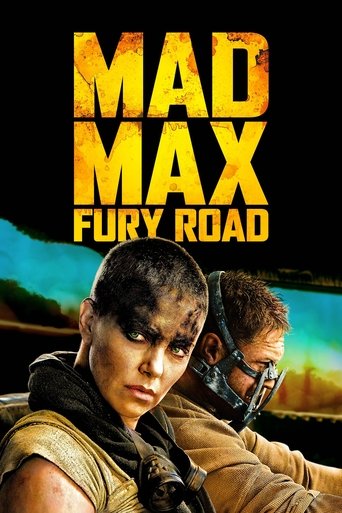
Mad Max: Fury Road (2015)
Released the same year, it is another physically intense, practical-effects-driven spectacle with minimal dialogue.
Follow the idea
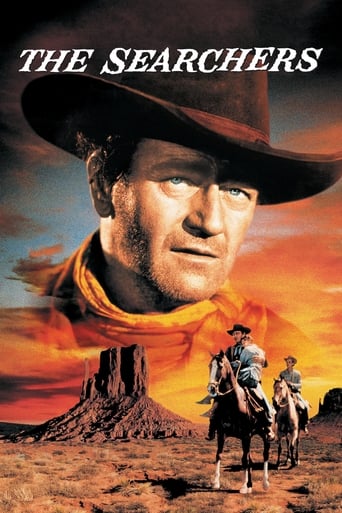
The Searchers (1956)
The classic Western about obsessive pursuit across harsh country. The Revenant reworks its revenge quest with a more skeptical eye.