Drama · Mystery · Science Fiction
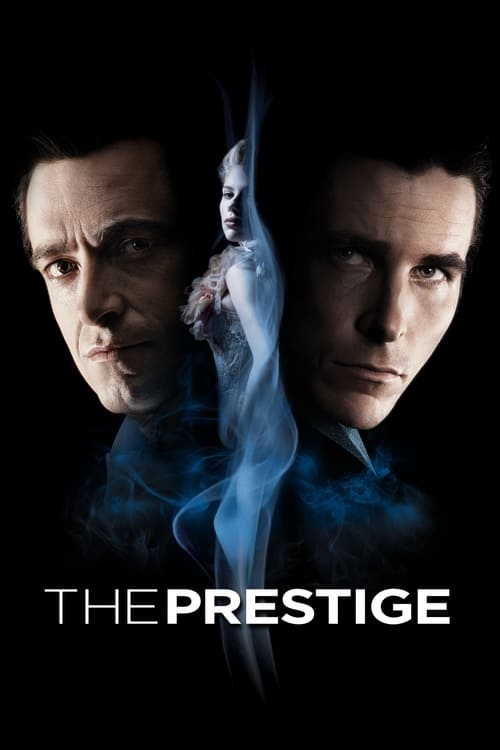
The Prestige
American
2006 · Directed by Christopher Nolan · 130 min


Drama · Mystery · Science Fiction
American
2006 · Directed by Christopher Nolan · 130 min




Meaning, unpacked
Central idea
The film can be read as an examination of what an artist will sacrifice for the perfect effect, and of an audience that wants to be fooled while pretending it wants the truth. Obsession, not magic, is the real trick.
What it means
Two stage magicians, one rivalry, and a trick that costs far more than anyone should pay. At its heart, The Prestige asks what an artist will sacrifice for the perfect effect. Both men give up relationships, safety and identity to outdo each other, and the film keeps asking whether any act is worth that price. Obsession, not magic, is the real trick.
It also asks about you. Audiences say they want the truth but really want to be fooled, and the film quietly includes you in that. You wanted the wonder too. Around this sit smaller themes: doubles and disguises, secrets that poison marriages and friendships, and a death early on that feeds everything after, so the rivalry can be read as grief expressed through spectacle.
Why it mattered
The film's big move was to build itself like a magic trick. A trick has three parts, the pledge, the turn and the prestige, and the story follows the same shape. Journals, flashbacks and nested narration lead you by what you see first and ask you to notice what you see in passing. Lee Smith's editing releases information at the pace of a magician's patter. It is misdirection, done with scissors.
The Transported Man performances show the same act from the audience's side, then from backstage, proving that perspective creates wonder or horror. It arrived in October 2006 as a puzzle-box thriller made on a large studio scale, part of a wave of intricately structured, adult-oriented films. It did solid business. Critics praised its ambition, design and performances, though some found it cold or overly mechanical.
Before anyone tells you what to think: what did you make of it?
Log in to rate it and leave commentsIt takes one click with Google or an email link. You come straight back here.
Rate it, keep your notes, and find the next film.
Free, no ads. Your journal, your lists, a Cine Guide that remembers you.
Create your free spaceThe film confirmed Christopher Nolan's fusion of puzzle structure and spectacle, which fed directly into The Dark Knight and Inception. It also helped normalise complex, time-shifting narratives in mainstream studio films. It earned two Oscar nominations, for art direction and cinematography.
At first it was seen as a smaller film than Nolan's Batman work, but its reputation has grown steadily. Today it is widely seen as one of his most carefully constructed films, and a favourite for rewatching, because the structure is easier to admire once you know how it works. Online breakdowns of hidden clues keep it alive, and "Are you watching closely?" has become a common way to introduce talk of misdirection in stories.
What happens
Angier dies, shot by the surviving twin, after you see his hidden tanks of drowned duplicates. Borden's secret is a twin brother who shared his life. Cutter lets Borden take back his daughter.
The last image
Borden walks away with his daughter, while Angier's hidden tanks of bodies are left behind as proof of what the trick cost.
What it says
The ending shows the price of the trick: both men gave up lives, loves and selves for the audience's gasp. Nothing is left open, because the film wants you to feel the cost, and to admit you cheered.
Or follow an idea from this film

Continue the director
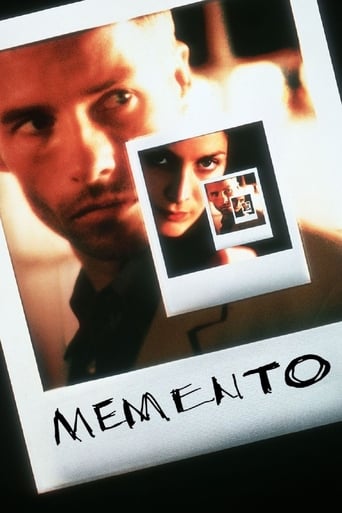
Memento (2000)
Nolan's earlier, smaller film shows the structural ideas that The Prestige scales up, with a story told through manipulated time.
Follow the idea
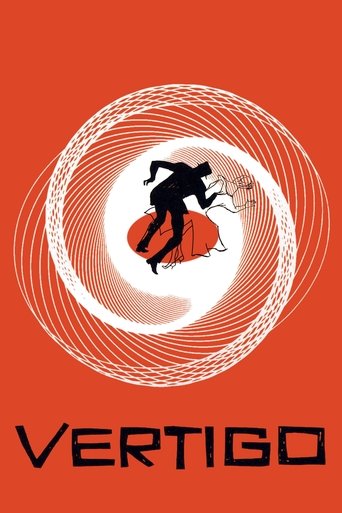
Vertigo (1958)
Another study of obsession, illusion and manufactured appearances, directed by a filmmaker who also treated cinema as an art of misdirection.

See its influence
Inception (2010)
Nolan's next major work builds on the same interest in rules, secrecy and the cost of constructing an illusion.
Follow the idea
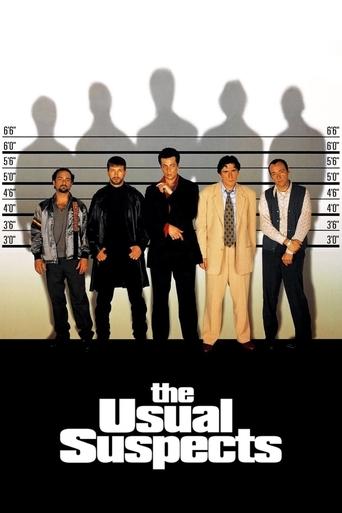
The Usual Suspects (1995)
A key mainstream thriller in which storytelling itself is the trick, helping to show the tradition The Prestige belongs to.

Compare another approach
The Illusionist (2006)
Released the same year with a similar period-magic setting but a romantic, quieter approach, useful for seeing how differently the idea can be handled.