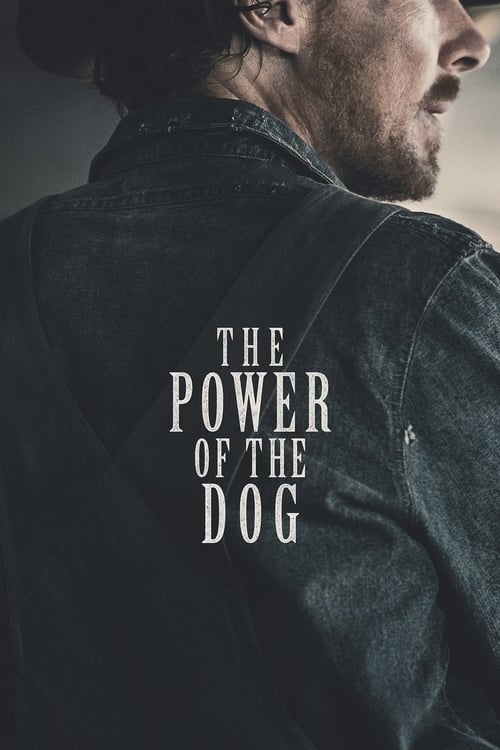
Drama · Western
The Power of the Dog
New Zealand
2021 · Directed by Jane Campion · 127 min


Drama · Western
New Zealand
2021 · Directed by Jane Campion · 127 min









Meaning, unpacked
Central idea
The film examines masculinity as a performance maintained through cruelty and myth, and asks what happens when that performance meets people it cannot control. It can be read as a Western about how power hides what it fears.
What it means
Think back to the last shot: Peter at the window, and the psalm line that gives the film its name. It asks you to reread everything you've seen. In Montana in the nineteen twenties, the rancher Phil torments his brother's new wife, Rose. By the end, her son Peter has quietly protected her in a way no one saw coming.
That reversal carries Jane Campion's central idea: masculinity is a performance, kept alive by cruelty and myth. Phil is the performer. His swagger and his refusal to wash are a persona, built and policed, and his devotion to his dead mentor, Bronco Henry, hints at a secret life. Much of his hostility looks like fear of being exposed. His cruelty is explained but never excused, which is why the film unsettles you. When his banjo shadows Rose's piano, nobody raises a voice, yet a home becomes a battlefield. In the woods, Peter finds proof of Phil's private life, and we see he has been watching all along. Set against Phil's domination is the protective love between Rose and Peter, shaped by the loss of his father.
Why it mattered
Campion adapts Thomas Savage's 1967 novel and keeps its inwardness by turning private thought into objects, gesture and landscape. The film is divided into chapters and rarely explains motive, so the hides, the hands and the unwashed body only pay off in retrospect. Ari Wegner's images set vast, dry hills against dim interiors, and Jonny Greenwood's strained strings join the banjo and piano inside the story, so sound becomes both comfort and threat.
It was also her first feature since Bright Star in two thousand nine. It treats the West as a constructed image: it was shot in New Zealand's Otago, with a built ranch set standing in for Montana. And it did this with patience, a slow, adult, formally ambitious film made in the streaming era without losing the scale of art cinema.
Before anyone tells you what to think: what did you make of it?
Log in to rate it and leave commentsIt takes one click with Google or an email link. You come straight back here.
Rate it, keep your notes, and find the next film.
Free, no ads. Your journal, your lists, a Cine Guide that remembers you.
Create your free spaceThe film earned twelve Oscar nominations, the most of its year, and won one: Best Director for Campion. Critics praised the direction, the images, the score and the performances. Some viewers found it slow and the ending oblique, yet its reputation was established quickly.
Its influence is real. It showed that streaming platforms could back films like this, and it strengthened the case for the Western as a vehicle for psychological and queer-coded storytelling. Phil became a touchstone in talk of toxic masculinity and repressed desire, often set beside Brokeback Mountain. Sam Elliott's criticism turned into a public argument about who may revise the genre, and the film sent readers back to Savage's novel. Today it is widely seen as one of the strongest films of the early 2020s, one people reread rather than only watch.
What happens
Peter deliberately lets Phil handle a diseased cattle hide. Phil's cut hand lets anthrax in, and he dies, written off as an accident. The ending reveals Peter's gentleness was cover for a plan to protect his mother.
The last image
Peter, safe at home, looks at the rope Phil braided him while a psalm about being delivered from the power of the dog plays in his mind.
What it says
Phil's performance of toughness hid a secret, and Peter, the boy he mocked, saw it clearly. The film ends on this reversal so you must reread everything: strength and weakness were never what they seemed, and quiet watching was a kind of power.
Or follow an idea from this film

Continue the director
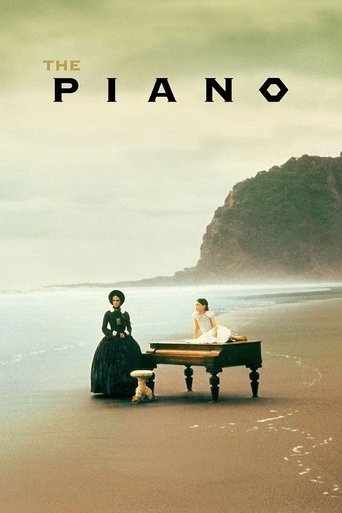
The Piano (1993)
Campion's Palme d'Or winner is another story of restraint and desire in a harsh landscape, with music at the heart of character.
See what influenced it
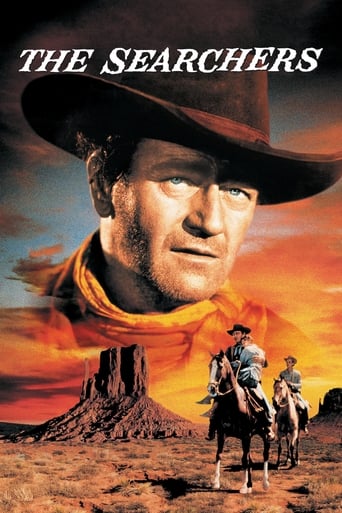
The Searchers (1956)
The classic Western that complicates its own hero. It shows the genre tradition that Campion's film reworks.
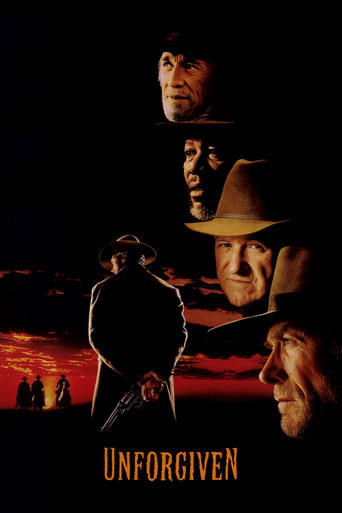
Follow the idea
Unforgiven (1992)
Another Western that strips away the glamour of frontier violence and asks what masculine myths conceal.
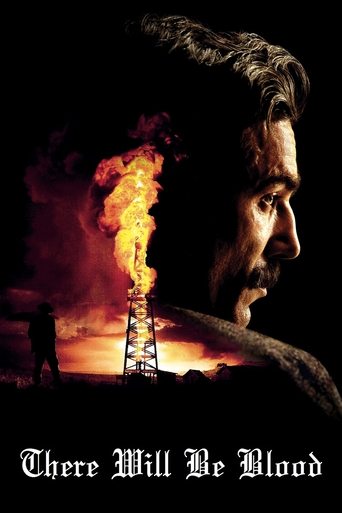
Compare another approach
There Will Be Blood (2007)
Another study of a domineering man in a hard landscape, with a dissonant Jonny Greenwood score at its core.