Drama · Science Fiction · Thriller
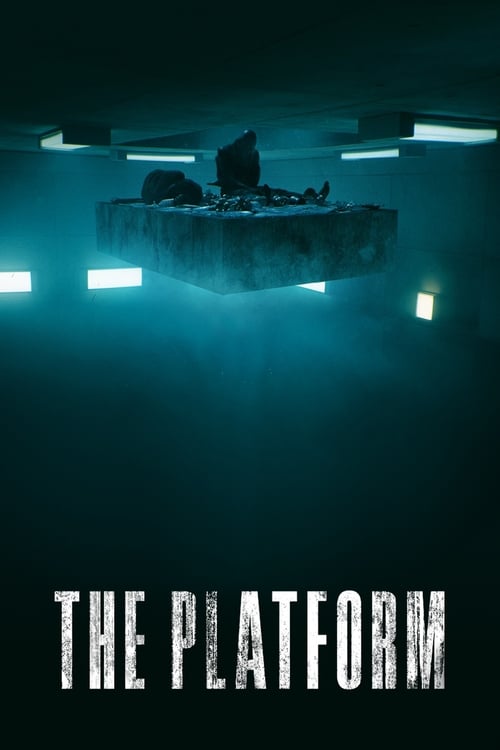
The Platform
Spanish (El hoyo)
2019 · Directed by Galder Gaztelu-Urrutia · 95 min


Drama · Science Fiction · Thriller
Spanish (El hoyo)
2019 · Directed by Galder Gaztelu-Urrutia · 95 min
Meaning, unpacked
Central idea
The film is a thought experiment about how people behave inside a system that makes sharing possible but not enforced. It can be read as a study of why inequality persists, and of whether change comes from violence, persuasion or example.
What it means
The Platform is a thought experiment. Picture a vertical prison, a platform of food that descends through the levels, and a monthly lottery that decides who eats and who starves. The film asks how people behave in a system where sharing is possible but never enforced. There is plenty of food. It simply never arrives, which is why the film is so often read as a picture of why inequality persists.
The cleverest part is the rotation. Because prisoners are reassigned at random, anyone can be victim or beneficiary, so moral judgement shifts with the level. The person you despised from below may be you next month. The film also asks how change might happen: by force, by appeal to conscience, or by a symbolic act. It shows why none is easy, and it refuses a tidy answer. Many inmates even chose to be there, trading away their freedom for small gains. And the ending turns a single dish into an argument. Is it hope, sacrifice or futility? Perhaps the film's real trick is that it never says who the message is for: the guards, the prisoners, or you, watching from somewhere comfortable.
Why it mattered
This was the first feature from Basque director Galder Gaztelu-Urrutia, working from a script by David Desola and Pedro Rivero. Its lesson is economy. A concrete shaft, identical cells and one repeated apparatus carry the whole film. That simplicity makes small changes easy to read, like grime, light and what is left on the platform, and the production suggests a vast world without ever showing anything beyond the shaft.
Before anyone tells you what to think: what did you make of it?
Log in to rate it and leave commentsIt takes one click with Google or an email link. You come straight back here.
Rate it, keep your notes, and find the next film.
Free, no ads. Your journal, your lists, a Cine Guide that remembers you.
Create your free spaceIt also belongs to a line of Spanish fantastic and horror cinema that uses genre for social comment, in the tradition of filmmakers who worked in coded allegory under censorship. The film lurches between satire, body horror and philosophical talk, and those abrupt shifts keep the allegory from becoming a lecture. It premiered in Toronto's Midnight Madness section in 2019 and won that section's People's Choice award.
Then came unlikely timing. Netflix released the film internationally in March 2020, just as many countries went into lockdown. A story about confinement, scarcity and hoarding landed on a world living through all three, and that is often credited with boosting its word of mouth. It found a very large audience.
Critics were generally positive but divided. Some praised its audacity and design, others complained of blunt symbolism and graphic violence, and people still argue over whether its message is sharp or simplistic. The descending table has become a ready shorthand for trickle-down economics, and it turns up in talk of social ethics and political philosophy. The film helped popularise the claustrophobic class-allegory survival thriller in the streaming era. A follow-up, The Platform 2, arrived in 2024. The ending is still debated today.
What happens
At the lowest level, Goreng finds a child. With the platform's messenger dead, he sends the girl up as the message, then stays behind in the dark. The film never shows whether anyone above is listening.
The last image
The girl rises alone on the platform, travelling up the shaft toward the levels above.
Three readings
What it says
The film won't tell you whether change is possible, only what it would cost. It ends on one small act of trust because that is all the system leaves anyone: a message, sent into the dark, with no promise of an answer.
Or follow an idea from this film

See what influenced it
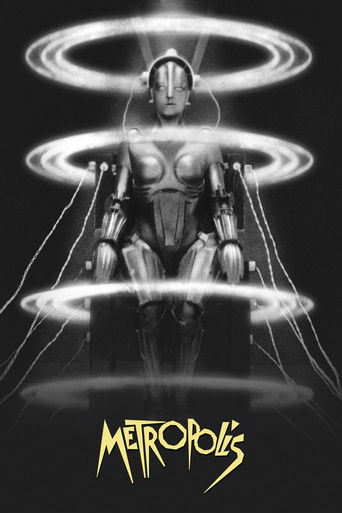
Metropolis (1927)
The silent classic that first pictured society as a vertical machine. Compare how each film makes class visible through architecture.
Follow the idea
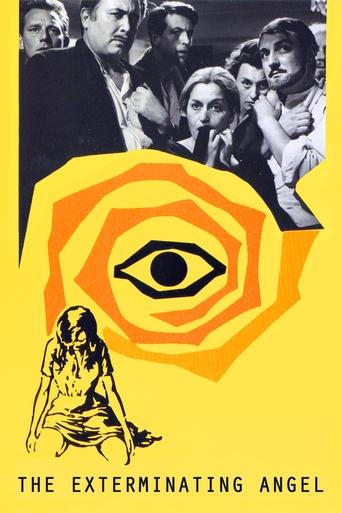
The Exterminating Angel (1962)
A group of guests cannot leave a room, and social order collapses. It is the surreal, comic ancestor of the single-location allegory.
Compare another approach
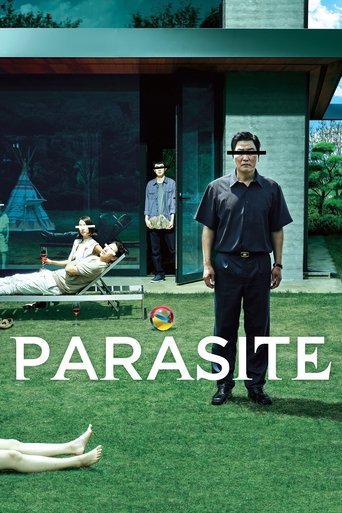
Parasite (2019)
Released the same year, it also pictures class through vertical space, but with a realist surface and a very different tone.

Jump forward
Triangle of Sadness (2022)
A comic satire in which wealth and status are tested when conditions change, offering a lighter view of the same questions.