Adventure · Drama · Action · History
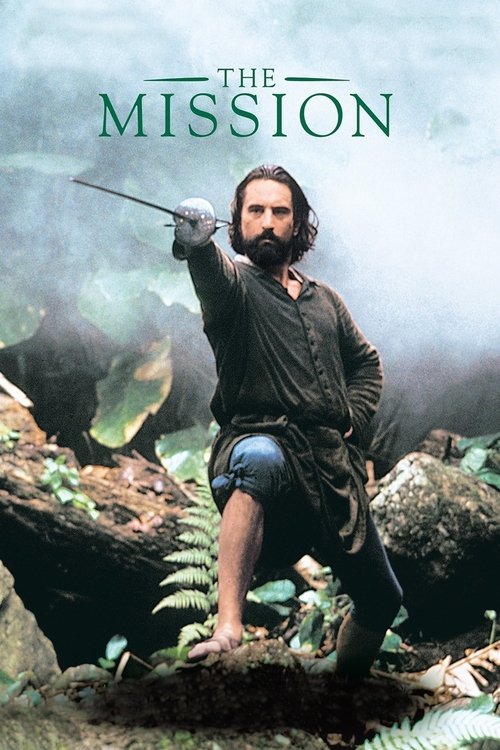
The Mission
British
1986 · Directed by Roland Joffé · 125 min


Adventure · Drama · Action · History
British
1986 · Directed by Roland Joffé · 125 min








Meaning, unpacked
Central idea
The film can be read as a study of how people act on belief when institutions betray it: through obedience, through force, or through faith itself. It asks what loyalty to a community is worth when the powers above it trade it away.
What it means
Two Jesuits try to protect a community in the South American jungle when European powers trade its land away. The film asks what people do with their belief when the institutions that preach it betray it. You can obey, you can fight, or you can simply have faith and see what it costs. It also asks what loyalty to a community is worth when the powers above it bargain it away.
Gabriel and Mendoza face the same threat and choose opposite paths, one nonviolent, one violent. The film refuses to say one is simply right. Both men die, and both deaths feel like arguments. Mendoza's story is also about guilt: he hauls his armour up the cliff, and nobody has to explain it. His forgiveness comes from the people he wronged, not from a priest.
Why it mattered
In 1986 The Mission won the Palme d'Or at Cannes and an Oscar for Chris Menges's cinematography. It belongs to a 1980s revival of prestige historical drama, and it is a late example of the epic used for moral and political debate rather than pure spectacle. Robert Bolt, who also wrote Lawrence of Arabia and A Man for All Seasons, builds it like a debate, with the Cardinal's narration framing the story as a record addressed to an authority.
It also shows what a big film can carry. Menges's natural light and mist make people small against the falls and jungle, and Morricone's oboe, choir and percussion hold the feeling in scenes with little talk. The music is even part of the story, since Gabriel persuades with it instead of weapons.
Before anyone tells you what to think: what did you make of it?
Log in to rate it and leave commentsIt takes one click with Google or an email link. You come straight back here.
Rate it, keep your notes, and find the next film.
Free, no ads. Your journal, your lists, a Cine Guide that remembers you.
Create your free spaceMorricone's main theme, Gabriel's Oboe, lived well beyond the film. It is played in concerts and by students, and it became the vocal piece Nella fantasia, which Sarah Brightman made widely known. The film helped set a model of the historical epic as moral drama, and later films about colonial encounters and religious conscience, such as Dances with Wolves and Scorsese's Silence, share its concerns. For many viewers it is their main picture of the Jesuit missions, and it often sparks talk about liberation theology and the Church's role in the Americas.
Today its reputation rests on its images and music, among the most recognised of the decade. Some always found the script schematic and the pace uneven, and the debate now often turns to how the Guaraní are seen mainly through European eyes. Many call it sincere but partial, and still powerful. Remember too that it condenses and dramatises: the main characters are invented, and the real conflict over the 1750 Treaty of Madrid unfolded over several years.
What happens
Soldiers attack San Carlos. Gabriel dies leading a procession of prayer and music, and Mendoza dies fighting beside the Guaraní. The mission is destroyed, and a few children escape into the forest carrying some of the instruments.
The last image
The surviving Guaraní children slip away into the forest with the instruments, while the Cardinal's letter closes on the living judging the dead.
Three readings
What it says
The film shows that belief is tested by what people will do for each other once institutions walk away. Obedience, force and faith all fail to save the mission, yet something still survives. It ends on the living and the weak, not on victory.
Or follow an idea from this film
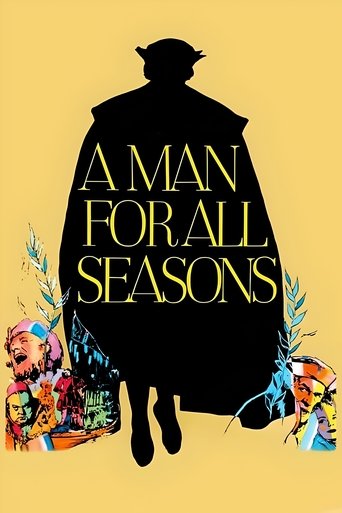

Follow the idea
A Man for All Seasons (1966)
Same screenwriter, same central question: what a person owes to conscience when state and church demand otherwise. Compare how each film stages that debate.

Compare another approach
Aguirre, the Wrath of God (1972)
Another journey into South American jungle by Europeans, but Herzog sees the colonial project as delusion. A sharp contrast in tone.
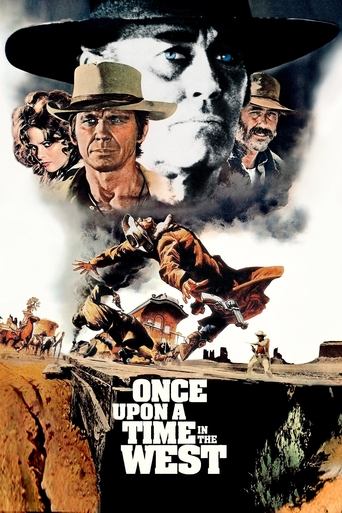
Continue the director
Once Upon a Time in the West (1968)
Not Joffé, but the best way into Ennio Morricone's work: another film where the score nearly acts as a character.
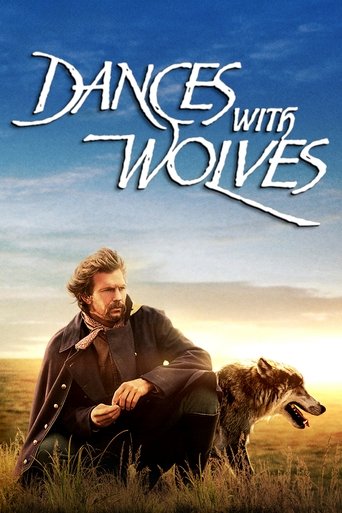
See its influence
Dances with Wolves (1990)
A later epic about an outsider siding with an Indigenous community against imperial power, useful for seeing how the idea evolved.
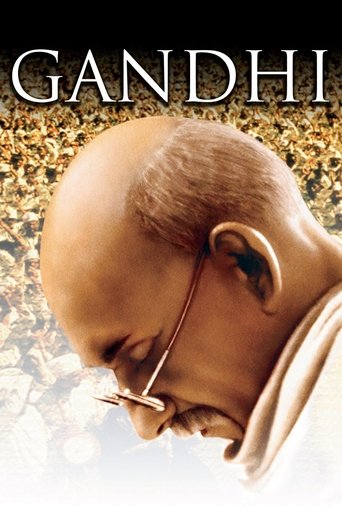
Explore the era or movement
Gandhi (1982)
Another prestige British-led historical epic from the early 1980s, also about moral resistance to imperial power.