Drama
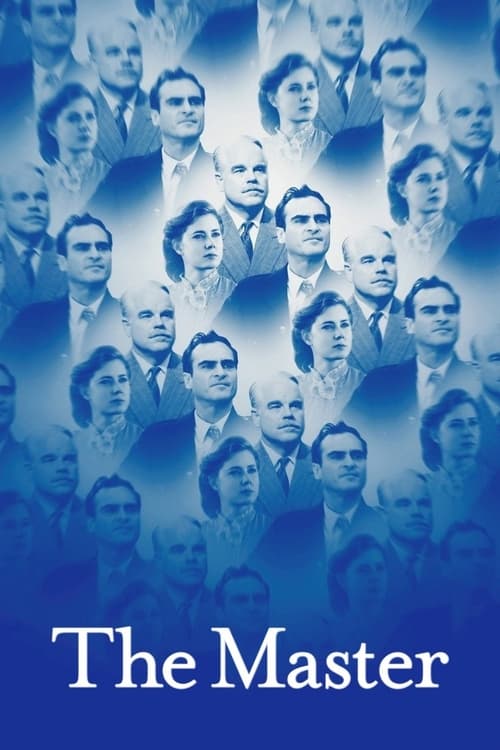
The Master
American
2012 · Directed by Paul Thomas Anderson · 137 min


Drama
American
2012 · Directed by Paul Thomas Anderson · 137 min









Meaning, unpacked
Central idea
The film can be read as a study of dependence and control: a wounded man looking for a master, and a master who needs a disciple more than he admits. It asks whether anyone can truly change, or whether people only exchange one form of need for another.
What it means
Freddie Quell is a volatile Navy veteran adrift after the Second World War. He falls in with Lancaster Dodd, the charismatic founder of a movement called the Cause, and Dodd becomes something between a father, a friend and a master. That is all the plot you need. The real question is what the film does with it.
At its heart, The Master is a study of dependence and control. A wounded man wants someone to lead him, and a leader needs a disciple more than he admits. The film never proves Dodd's system right or wrong. It cares about how conviction is produced, protected and sold. Anderson drew on the early days of L. Ron Hubbard, but the Cause is fictional, and the film is far more interested in two men than in judging a religion. Perhaps its quiet lesson is that freedom is lonely, belonging is costly, and the hardest thing to master may be the need itself.
Why it mattered
When it appeared, digital projection was becoming standard, yet Anderson shot on sixty-five millimetre film and it was shown in seventy millimetre in selected cinemas. The large negative gives faces great detail while backgrounds turn soft and dreamlike. Long takes hold on a face after a line has landed. Think of the first processing session, a gentle interview that becomes a battle of will almost entirely in tight close-up, with Phoenix twisting and lunging while Hoffman answers with warm, theatrical authority.
It also trades plot momentum for mood and character. The script is loose and episodic and skips explanations, which can feel like Freddie's own fragmentary experience. It carried the ambition of 1970s New Hollywood into the digital era, and it kept large-format film in use.
Before anyone tells you what to think: what did you make of it?
Log in to rate it and leave commentsIt takes one click with Google or an email link. You come straight back here.
Rate it, keep your notes, and find the next film.
Free, no ads. Your journal, your lists, a Cine Guide that remembers you.
Create your free spaceCritics admired it, especially the acting and cinematography, though some found it remote and frustratingly open. At Venice, Anderson won the Silver Lion for Best Director, and Phoenix and Hoffman shared the best actor prize. It earned three Oscar nominations, for Phoenix, Hoffman and Adams, and won none. Its box office was modest for its budget.
Its reputation has only grown. Once called cold or elusive, it is now often seen as one of Anderson's richest films and one of the major American films of its decade, its ambiguity treated as a strength. It helped keep large-format film alive for later directors, and Phantom Thread carries on its interest in power struggles between two people. Hoffman's Dodd is also worth revisiting as one of his last major leading roles before his death in 2014.
What happens
Dodd offers Freddie a last choice: stay under his guidance or leave for good, never to meet again, in this life or the next. Freddie leaves. He is not cured, but he has carried something away with him.
The last image
Freddie lies alone beside a stranger, repeating the processing questions to her in Dodd's manner.
Two readings
What it says
The film never proves Dodd's system right or wrong, so it cannot end with a cure. Instead it asks whether anyone truly changes, suggesting freedom is lonely, belonging is costly, and the need itself is hardest to master.
Or follow an idea from this film

Continue the director
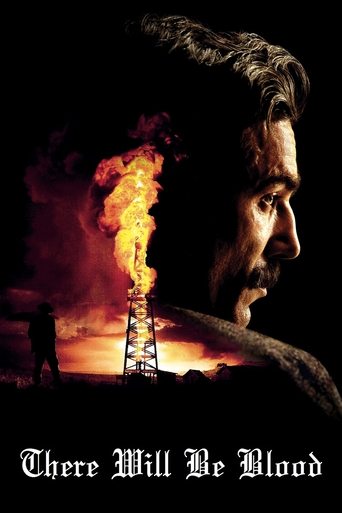
There Will Be Blood (2007)
Anderson's previous film is a close companion, with another obsessive central figure, another Greenwood score and a similarly severe style.
Explore the era or movement
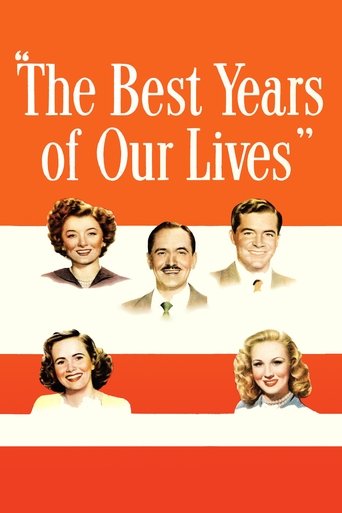
The Best Years of Our Lives (1946)
A Hollywood treatment of returning soldiers made right after the war, a useful contrast with the harsher, more ambiguous picture here.
Compare another approach
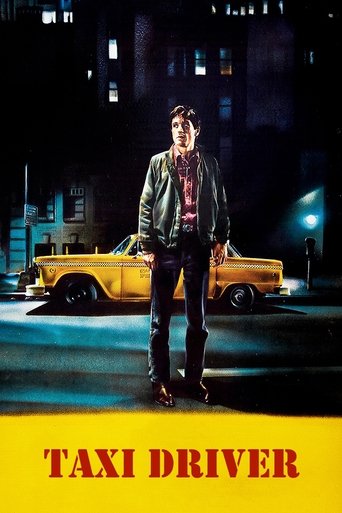
Taxi Driver (1976)
Another study of a damaged, isolated man, with New Hollywood's psychological intensity that Anderson's film inherits.
See what influenced it
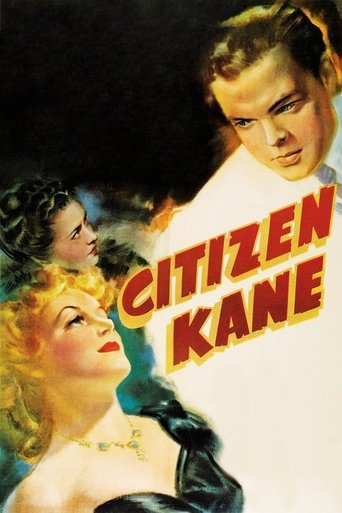
Citizen Kane (1941)
A landmark film about a charismatic, controlling figure, told through fragments and ambiguity rather than a simple explanation.
Jump forward
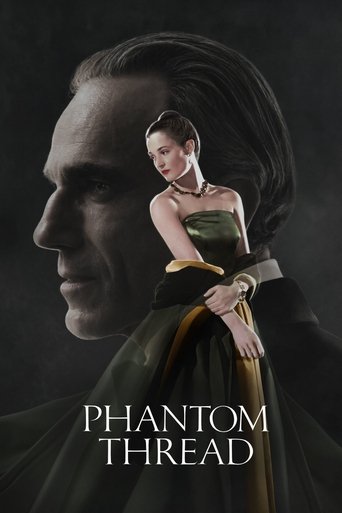
Phantom Thread (2017)
Anderson's next film turns the same interest in power, need and intimacy into a tight, elegant two-person drama.