Thriller · Drama
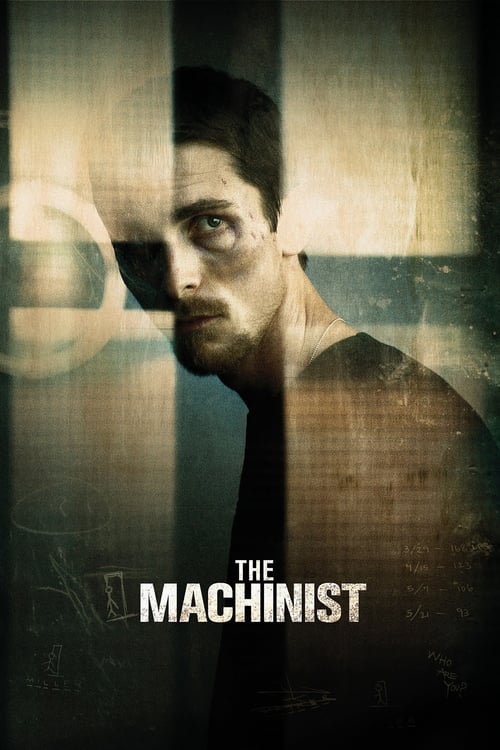
The Machinist
Spanish
2004 · Directed by Brad Anderson · 102 min


Thriller · Drama
Spanish
2004 · Directed by Brad Anderson · 102 min
Meaning, unpacked
Central idea
The film is fundamentally about guilt and what the mind will do to avoid facing it. It can be read as a thriller in which sleeplessness is the body's refusal to let a buried truth stay buried.
What it means
Trevor Reznik is a factory machinist wasted by sleeplessness and sure that someone is out to get him. By the end, you learn the persecutor is his own buried guilt. That's the shape of the film: a thriller about what the mind will do to avoid a truth. Denial, here, is hard labour, and it's exhausting. Trevor's thin body is the evidence, a kind of ledger of something he can't admit.
That's why the insomnia matters. Without sleep, the line between memory, imagination and reality wears away, and the film asks you to share that instability, so you doubt what you see just as Trevor does. Around him, factory noise, empty roads and anonymous interiors make a place where a man can vanish in plain sight. The story is a long approach to an admission, and only confession promises the rest he's been denied. Some tiredness can't be cured by sleep, only by telling the truth first.
Why it mattered
The Machinist belongs to the mid-2000s wave of psychological thrillers, and it shows how the form could travel beyond Hollywood studios. Though the story feels American, it was a Spanish-backed production, shot in and around Barcelona, with signs, vehicles and costumes chosen to keep the city anonymous. Scott Kosar's script had waited years before it was made, and its mix of paranoia and moral allegory found support abroad once Christian Bale came aboard.
It also stands as a landmark in actors reshaping their bodies for a role. Bale's thinness was real, not digital; effects were limited to colour grading and routine finishing. The film never hides his body with clever framing, so his jittery movements and haunted stare carry the emotional weight. Around him, Xavi Giménez's drained greens and greys make even bright rooms feel unhealthy, and Roque Baños's score borrows Bernard Herrmann's Hitchcock sound for a modern story.
Before anyone tells you what to think: what did you make of it?
Log in to rate it and leave commentsIt takes one click with Google or an email link. You come straight back here.
Rate it, keep your notes, and find the next film.
Free, no ads. Your journal, your lists, a Cine Guide that remembers you.
Create your free spaceThe film cemented Bale's reputation for extreme physical transformation, a path he followed in later roles. Reportedly he lost around 60 pounds, then rebuilt his body to play Batman in Batman Begins. His emaciated look became a common reference point whenever people discuss actors who drastically change themselves for a part. Its mix of guilt, unreliable perception and genre style also fits the psychological thrillers that followed.
It premiered at Sundance in 2004 to praise for Bale's commitment, the look and the score. Some critics found the plot machinery familiar or contrived, but most agreed the atmosphere and performance were exceptional. The theatrical run was modest, especially in the United States. The film found its audience later, on home video and by word of mouth, and today it's a cult favourite. People return to it for how fairly its clues are planted, and it turns up in classrooms and online film analysis as an example of the mind evading blame.
What happens
Trevor realises he killed a child in a hit-and-run a year ago and buried the memory. Ivan and the plot against him were his own inventions, a way to dodge his guilt. He confesses to the police and is jailed.
The last image
In his cell, Trevor closes his eyes and sleeps, after a year without rest.
What it says
The film argues that guilt, once buried, will wreck you from within, and only telling the truth brings relief. That is why it ends on sleep rather than punishment: his sentence begins, but his torment finally stops.
Or follow an idea from this film
Continue the director
Session 9 (2001)
Brad Anderson's earlier thriller is set in an abandoned asylum and shows his gift for slow-building, location-driven dread on a much smaller budget.
Coming soon
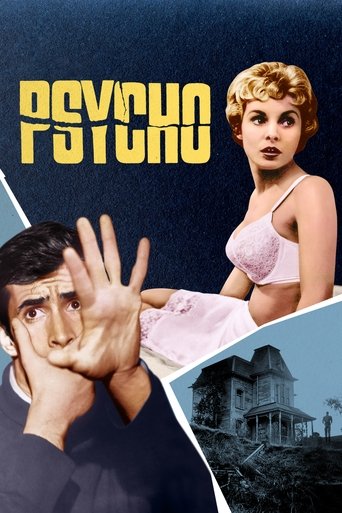

See what influenced it
Psycho (1960)
The film's guilt, score and sense of a mind under pressure grow from Hitchcock and Bernard Herrmann's classic.
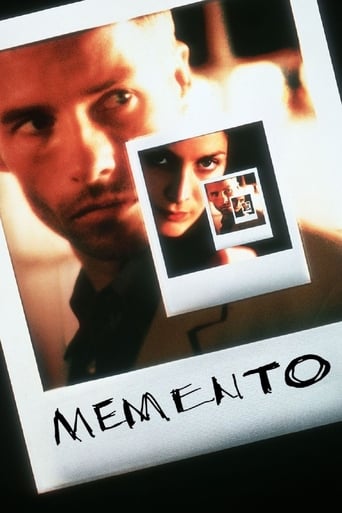
Follow the idea
Memento (2000)
Another early-2000s thriller that puts a damaged mind at its centre and builds its structure around what the hero can and cannot know.
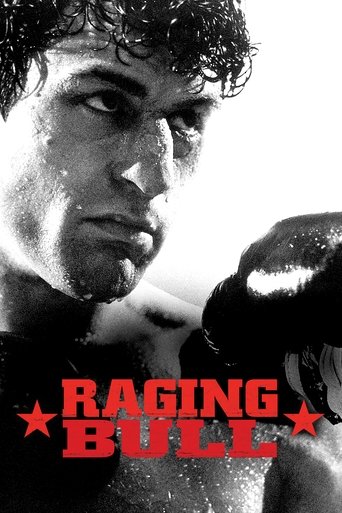
Compare another approach
Raging Bull (1980)
Robert De Niro's weight changes made physical transformation a landmark of screen acting. Compare how the body carries the drama in each film.

Jump forward
Black Swan (2010)
A later psychological thriller in which a performer's body and mind break down under pressure, with a similarly stylised atmosphere.