Adventure · Fantasy · Action
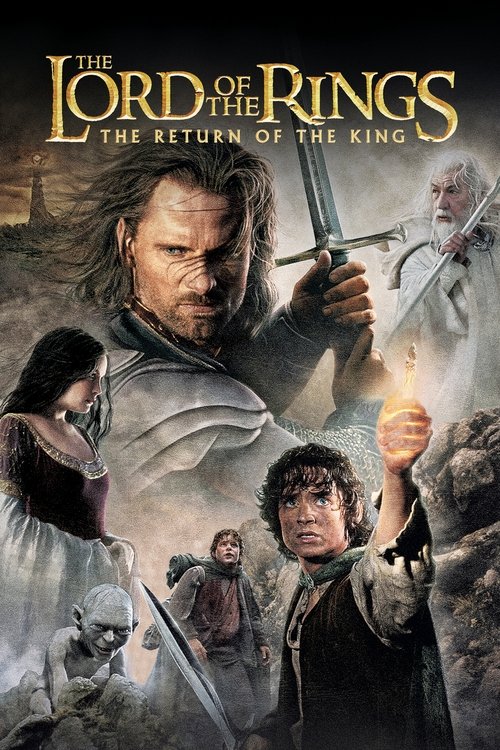
The Lord of the Rings: The Return of the King
American
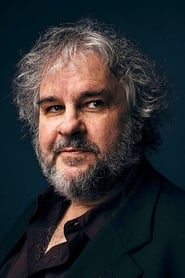
2003 · Directed by Peter Jackson · 201 min


Adventure · Fantasy · Action
American
2003 · Directed by Peter Jackson · 201 min
Meaning, unpacked
Central idea
The film can be read as a story about how great events depend on small, unglamorous endurance: kings and armies matter, but the outcome rests on friendship, mercy and the strength of people nobody expected.
What it means
At its heart, The Return of the King is a humbling story. Kings and armies matter, but the outcome rests on small, unglamorous endurance. The people with the least power in this war, the hobbits, are the ones handed the decisive task. That reverses the usual epic hierarchy, and it is the heart of the film.
Power is the other great worry. The Ring, Denethor's despair and Gollum's obsession show power working on the mind, even for people with good intentions. Against that stands Sam, whose loyalty to Frodo is the emotional spine of the film. "I can't carry it for you, but I can carry you" works because he then does exactly that, up the slopes of Mount Doom. Mercy matters too: the earlier pity shown to Gollum returns as a turning point, so compassion carries practical weight as well as moral weight. And victory is not free. It ends an age, and the cost is carried by those who fought, which is why the farewells go on so long.
Why it mattered
When it arrived, this film showed that fantasy could be treated with the seriousness and scale once reserved for historical epics. It was the capstone of a trilogy shot together as one production, with annual pick-up shoots that let the filmmakers reshape each film as editing went on. It also became the first fantasy film to win Best Picture.
It pushed craft forward, too. Andy Serkis performed Gollum on set, and Weta's animators built the digital creature from his movements and voice. Gollum's divided inner voice became a model for later digital characters. Minas Tirith mixed a large miniature, digital extension and real sets, so the world had physical weight. Through all the spectacle, the film stays close to faces and friendships, so the scale never swallows the people in it.
Before anyone tells you what to think: what did you make of it?
Log in to rate it and leave commentsIt takes one click with Google or an email link. You come straight back here.
Rate it, keep your notes, and find the next film.
Free, no ads. Your journal, your lists, a Cine Guide that remembers you.
Create your free spaceReviewers called it a fitting end, praising the battles, performances and emotional weight, though some found the ending long. Audiences responded strongly, and it earned over a billion dollars worldwide. At the Academy Awards it was nominated eleven times and won all eleven, including Best Picture and Best Director.
Its influence is wide. Large-scale fantasy became a mainstream commercial genre, encouraging later epic franchises and fantasy television. Weta's digital work and Serkis's performance helped shape Avatar and the Planet of the Apes revival. New Zealand embraced the Middle-earth association, and fans visit Mount Ngauruhoe, which stood in for Mount Doom. Today it is widely seen as one of the most satisfying conclusions in popular cinema, and those once-debated multiple endings now feel like part of its emotional design.
What happens
Frodo claims the Ring at Mount Doom, but Gollum bites it from his hand and falls into the fire with it. Sauron's power collapses. Aragorn is crowned, and Frodo, still wounded in spirit, sails away with Gandalf, Bilbo and the elves.
The last image
Sam closes his front door in the Shire and sits down with his family, home at last.
What it says
Victory here costs something. Frodo cannot simply return to ordinary life, so the long farewells mark the end of an age. The film wants you to sit with that loss, and with the quiet reward of home.
Or follow an idea from this film
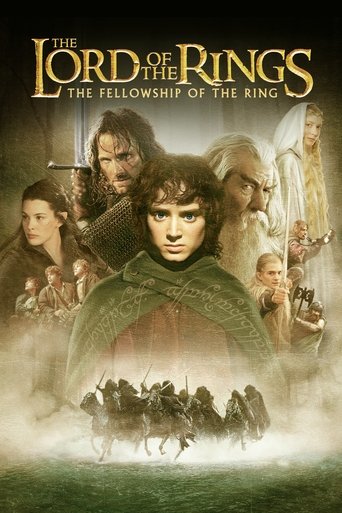

Continue the director
The Lord of the Rings: The Fellowship of the Ring (2001)
Peter Jackson's opening chapter sets up the world, the Ring and the characters. It shows how far the story and the effects work travel by the third film.
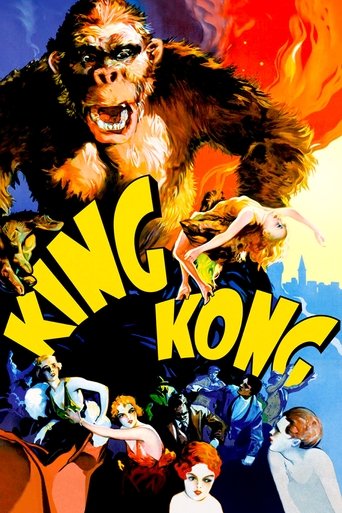
See what influenced it
King Kong (1933)
A film Jackson loved from childhood. Its stop-motion monster and adventure spectacle show where his ambitions for creature work and fantasy storytelling began.
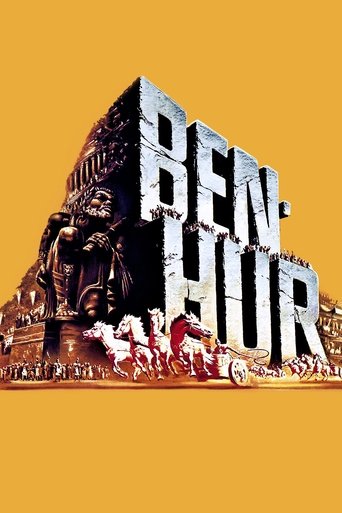
Compare another approach
Ben-Hur (1959)
The earlier benchmark in large-scale epic filmmaking. Comparing its practical spectacle with Jackson's mixture of sets, miniatures and digital crowds shows how epics were made.
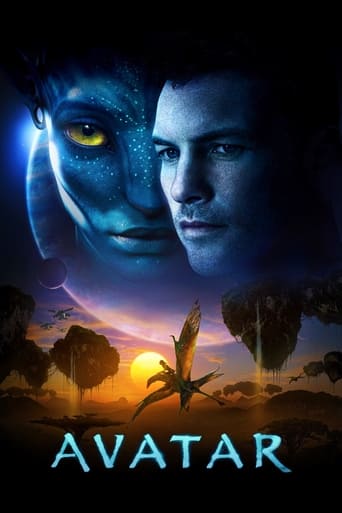
See its influence
Avatar (2009)
James Cameron's film carries performance capture and digital world-building much further, built on methods Weta developed on Middle-earth.
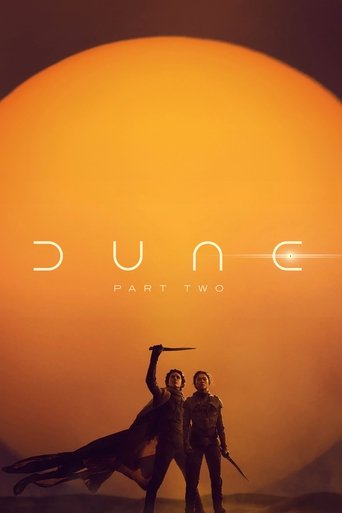
Jump forward
Dune: Part Two (2024)
A recent large-scale genre epic with serious tone and practical-digital design, showing how the Lord of the Rings model continues in modern blockbusters.