Drama · Thriller
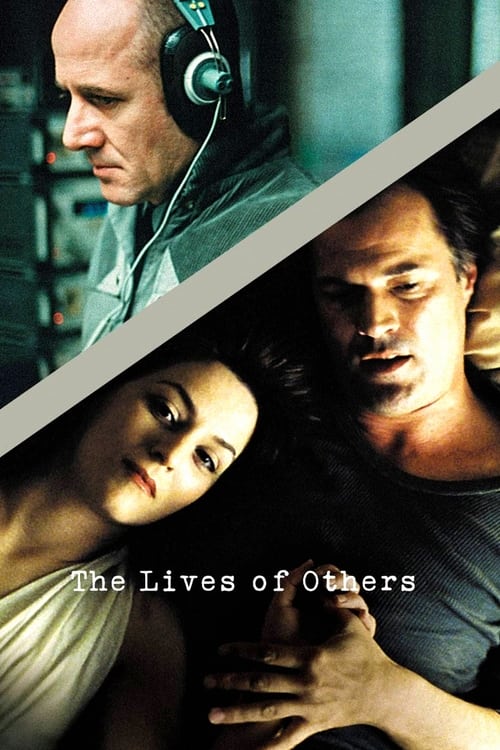
The Lives of Others
German (Das Leben der Anderen)
2006 · Directed by Florian Henckel von Donnersmarck · 137 min


Drama · Thriller
German (Das Leben der Anderen)
2006 · Directed by Florian Henckel von Donnersmarck · 137 min








Meaning, unpacked
Central idea
The film explores whether conscience can survive inside a system designed to eliminate private judgment. It can be read as an argument that art and attention have a moral force, and that even a machine of control depends on individual choices.
What it means
A Stasi captain listens through the floor of an attic to a playwright and his partner. Slowly, he begins to protect them. After the Wall falls, the playwright reads his file and learns who saved him.
The film asks whether a conscience can survive inside a system built to erase private judgment. Its answer is yes, but only through small, individual choices. Even a machine of control depends on people. Art, and simply paying attention, carry a moral force. The turning point is the sonata: as music fills the apartment, the way we see Wiesler changes. The film borrows a remark attributed to Lenin, that Beethoven softens, and asks whether art can change someone from inside. The comfort it offers is a fragile one. Goodness here is never recorded or rewarded by the system. It survives only because someone, years later, went looking for it.
Why it mattered
In 2006 this was a first feature by Florian Henckel von Donnersmarck, made after years of research, including talks with former Stasi members and the people they had targeted. It moved the East German past away from comedy and nostalgia toward a serious drama about how the Stasi really worked. Its method was new for a thriller: tension built from rooms, headphones, tape reels and typed reports, with silence and ambient noise often counting for more than dialogue.
It also showed how much a performance can do by doing very little. Ulrich Mühe plays a man whose job is to show nothing, and his impassive face turns listening itself into drama. Cold, desaturated Stasi corridors set against the warmer artists' flat let you feel the contrast before anyone speaks. And the postscript after reunification turns a thriller into a reflection on memory and responsibility.
Before anyone tells you what to think: what did you make of it?
Log in to rate it and leave commentsIt takes one click with Google or an email link. You come straight back here.
Rate it, keep your notes, and find the next film.
Free, no ads. Your journal, your lists, a Cine Guide that remembers you.
Create your free spaceThe film won the Academy Award for Best Foreign Language Film, which brought it a wide international audience. It encouraged a run of serious German dramas about the GDR, made the Stasi a mainstream subject abroad, and brought its director to Hollywood. Some historians and former East Germans found its central story implausible, but its picture of everyday surveillance was widely praised.
Today it remains the most widely seen film about the Stasi and is often used in classrooms. Its imagery of headphones, tape recorders and the attic listening post came back in debates after the 2013 Snowden disclosures. The argument over its plausibility continues, yet its craft, its central performance and its moral seriousness keep its reputation high.
What happens
Years after the Wall falls, Dreyman reads his Stasi file and learns an officer protected him. He dedicates a new book to that officer's agent number. Wiesler, now a postman, sees it in a shop window and buys it.
The last line
"No, it's for me."
What it says
The ending is clear, and it is quiet on purpose. Wiesler's goodness was never rewarded by the system; it is recognised only because Dreyman went looking. The film offers small, private acknowledgment, not triumph, and trusts you to feel its weight.
Or follow an idea from this film

Compare another approach
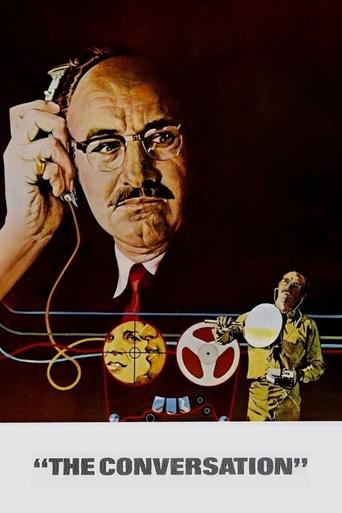
The Conversation (1974)
Another study of a professional eavesdropper whose work begins to implicate him. Compare its paranoid ambiguity with this film's moral clarity.

See what influenced it
Rear Window (1954)
The classic film about watching strangers through a window, where suspense depends on the viewer's own voyeurism.
Explore the era or movement
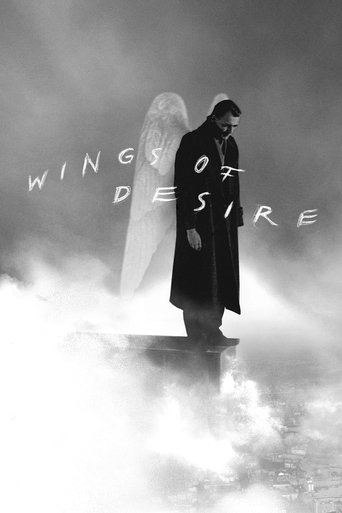
Wings of Desire (1987)
Another film about unseen watchers in Berlin, made in the divided city. It is poetic where this film is procedural.

Follow the idea
Mephisto (1981)
A German-language study of an actor and the state, asking what artists owe to power and what it costs them.