History · War · Drama
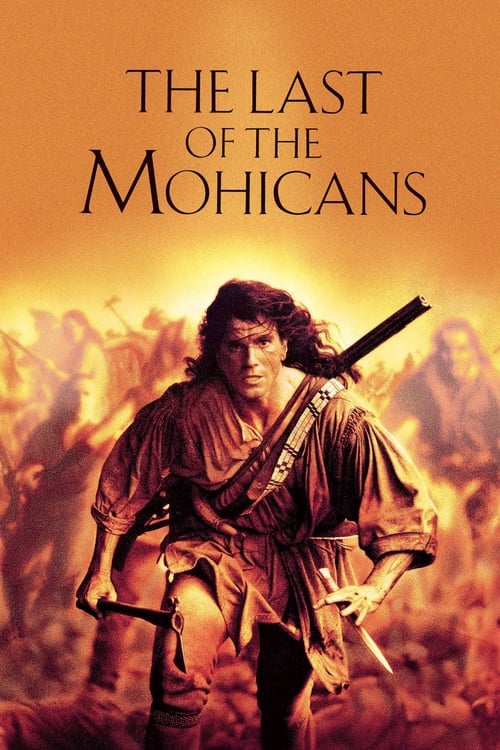
The Last of the Mohicans
American
1992 · Directed by Michael Mann · 112 min


History · War · Drama
American
1992 · Directed by Michael Mann · 112 min







Meaning, unpacked
Central idea
The film can be read as a story about identity and loyalty on a frontier where empires are fighting for land, and where those who belong to neither side are the ones who hold the moral centre. It is also a love story that survives the collapse of everything around it.
What it means
Michael Mann's film is set in 1757, during the war between Britain and France, but the plot is not the point. It is about identity and loyalty on a frontier where empires fight for land. The people who belong to neither side hold the moral centre. It is also a love story that survives when everything around it collapses.
Both empires treat their allies as expendable, and the massacre after the surrender shows it. That chaos sets Magua's revenge in motion, and he is no simple villain. His rage comes from a specific loss, so the final conflict feels tragic, not triumphant. Hawkeye, raised by Mohicans and belonging fully to neither world, proves his love for Cora through choice and sacrifice, hence the cry across the falls: "Stay alive, no matter what occurs! I will find you!" In the finale almost no one speaks. Music and landscape carry the loss, and the title takes on its meaning: a world that history is closing.
Why it mattered
It arrived in the early 1990s, two years after Dances with Wolves, and helped bring sweeping, landscape-driven historical adventure back to mainstream cinema. It joined the old Hollywood adventure romance to Mann's modern, immersive style. He was known for modern crime stories, and here he applied that intensity to the 18th-century frontier.
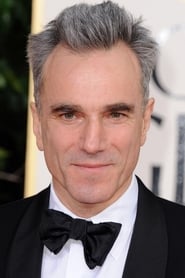
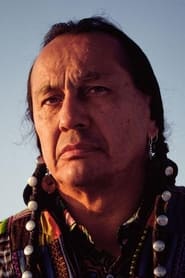
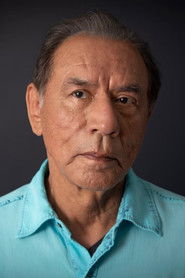
The craft is why it landed. Dante Spinotti's widescreen images turn mist, waterfalls and mountain ridges into a presence. Shooting on real waterfalls and ridgelines in North Carolina's mountains shaped how the chases were choreographed. Mann cuts on movement and doesn't over-explain, so you follow the action through motion. Dialogue is spare and formal, so feeling lives in looks and short lines. Daniel Day-Lewis trained in shooting, tracking and canoe building, and Native actors such as Russell Means and Wes Studi added authority.
Before anyone tells you what to think: what did you make of it?
Log in to rate it and leave commentsIt takes one click with Google or an email link. You come straight back here.
Rate it, keep your notes, and find the next film.
Free, no ads. Your journal, your lists, a Cine Guide that remembers you.
Create your free spaceIts mix of landscape, physical action and romantic music influenced later historical and wilderness epics, and its tactile realism foreshadowed films like The Revenant. For Mann, it confirmed the immersive approach that fed into Heat. It won one Oscar, for Best Sound, and the main theme, built on Dougie MacLean's tune The Gael, now turns up in trailers, sports montages and Scottish events. Hawkeye's promise to Cora is still quoted and parodied as shorthand for devotion in the face of danger.
The film was a commercial success, praised for its visual power, its action and Day-Lewis. Some critics found the romance overheated and the plot simplified, and historians noted its departures from the novel and the period. Its reputation has grown since, especially for the final chase and the music. Modern viewers also debate its frame, in which a white hero stands at the centre of a story about Native loss.
What happens
Magua is dead, Uncas has been killed, and Alice has leapt to her death. On the cliff, Chingachgook speaks to the Great Spirit and calls himself the last of the Mohicans, while Hawkeye and Cora stand beside him.
The last image
Chingachgook stands on the cliff with Hawkeye and Cora beside him, looking out over the mountains as his world closes behind him.
What it says
Revenge here costs everyone: Magua's grief ends in his death, and Uncas's with it. The ending mourns a world history is closing, and Hawkeye and Cora stay together as the one thing that survives the collapse.
Or follow an idea from this film

Continue the director
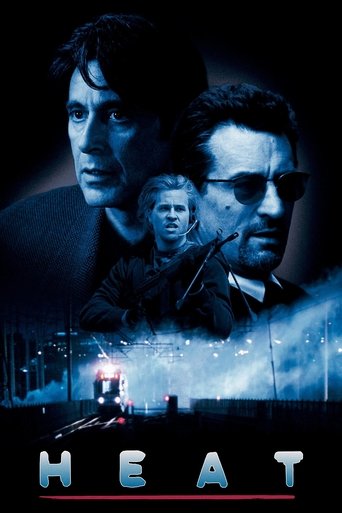
Heat (1995)
Mann's next landmark shows the same precision with sound, space and professional obsession, moved from the frontier to modern Los Angeles.
Compare another approach
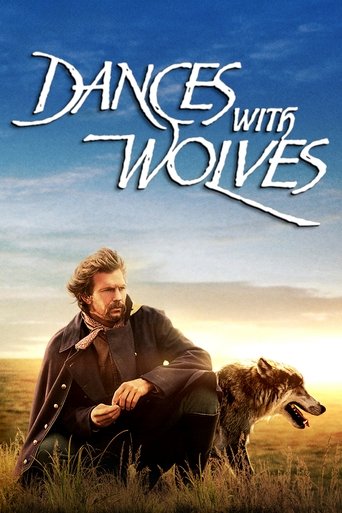
Dances with Wolves (1990)
Another early 1990s frontier epic; comparing the two shows different approaches to Native cultures, landscape and heroism.
Follow the idea
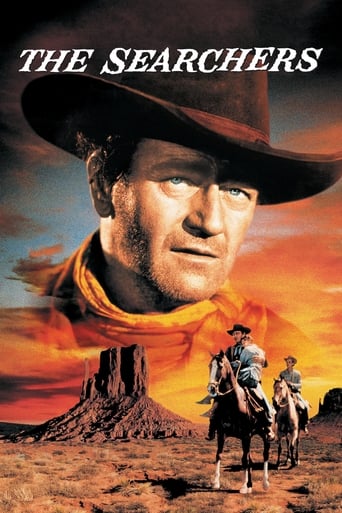
The Searchers (1956)
A classic frontier film about conflict between settlers and Native nations that complicates its hero, and a good way to see how the genre has developed.
See its influence
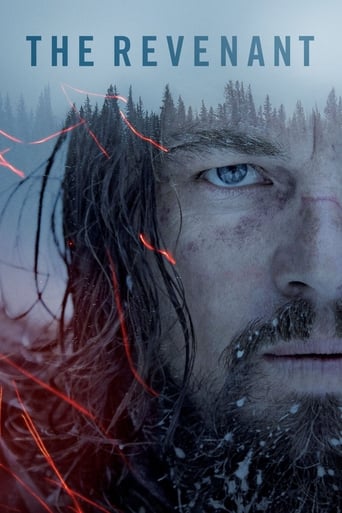
The Revenant (2015)
A later wilderness epic built on physical immersion and natural landscape, descended from this film's approach.
Explore the era or movement
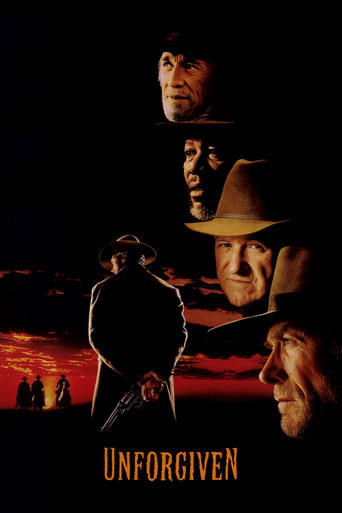
Unforgiven (1992)
Released the same year, it shows how the Western was being reinvented in the early 1990s, with a darker view of violence.