Horror · Mystery
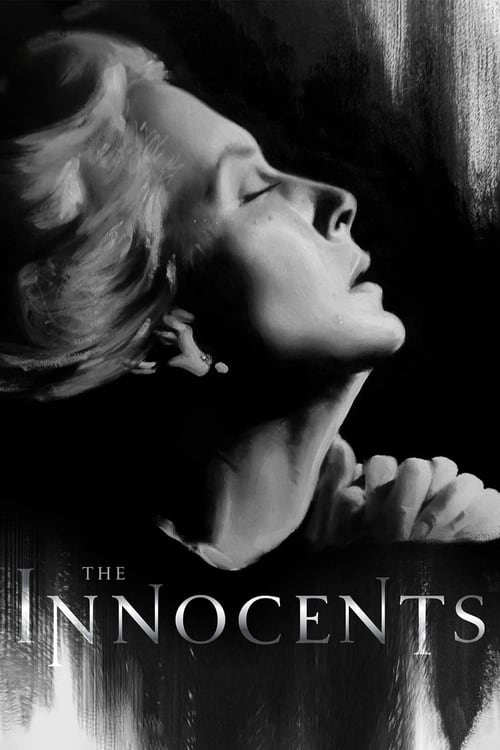
The Innocents
British
1961 · Directed by Jack Clayton · 100 min


Horror · Mystery
British
1961 · Directed by Jack Clayton · 100 min



Meaning, unpacked
Central idea
The film explores how fear, repression and desire can make a mind see what it most dreads. It stays poised between a real haunting and a portrait of a woman's unravelling, and refuses to let either reading win outright.
What it means
The Innocents asks a simple, unsettling question: can fear, repression and desire make a mind see exactly what it most dreads? Jack Clayton's film never answers. Miss Giddens, hired to care for two orphaned children at Bly, becomes convinced that the dead Peter Quint and Miss Jessel want to possess them. Is it a true haunting, or the portrait of a woman coming apart? The film is built so both readings survive. Every sign of a ghost has a psychological explanation, and every sign of madness has a supernatural one.
The themes grow from that doubt. Miss Giddens is sheltered, anxious and attached to the absent guardian, and you can read what she sees as Victorian repression turned inward. The title is ironic: childhood here is both purity and mask, and the adults cannot tell which. Her duty to protect shades into possession, so you keep asking where care ends and domination begins. And the house is saturated with earlier lives and misdeeds, as if unspoken history never goes away. The scariest thing in it may not be what she sees, but how certain she is.
Why it mattered
In 1961, horror was drifting toward louder, bloodier spectacle. The Innocents went the other way. It is a restrained, adult ghost story, adapted from Henry James's The Turn of the Screw, that frightens by suggestion rather than shock. Its horror doesn't even need night: the first apparition is a distant figure on a tower, seen in sunlight. Because it is so far away, you can't be sure anyone else would see it at all.
Before anyone tells you what to think: what did you make of it?
Log in to rate it and leave commentsIt takes one click with Google or an email link. You come straight back here.
Rate it, keep your notes, and find the next film.
Free, no ads. Your journal, your lists, a Cine Guide that remembers you.
Create your free spaceThe craft did the frightening. Freddie Francis shot in black-and-white CinemaScope, using filters and lighting to darken the edges of the frame, with candlelight and deep focus that make the house feel watchful. Slow cross-dissolves blur memory, imagination and apparition together. Sound works the same way: the film opens on a black screen with a child's song, and birdsong and wind drop out or intrude just when you least want them to. Dread comes from what you half hear and half see.
Reviews at release were respectful and often admiring, especially of the photography and Deborah Kerr's performance, though some critics found the ambiguity and slow build frustrating. It was not a major box-office hit, and it was seen more as a refined art-house chiller than as popular horror.
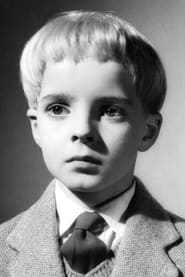
Its reputation has grown steadily. It is now often named among the best British horror films and the best screen version of James's story, and later retellings tend to be measured against it. Its tone and look can be felt in The Haunting, The Others and the gothic fantasies of Guillermo del Toro. Martin Stephens's poised, old-fashioned Miles helped fix the image of the eerily composed child who may be possessed or knowing beyond his years. Directors and critics praise its restraint and psychological depth, and film and literature courses use it to show how James's tale can be read both ways.
What happens
Miss Giddens presses Miles to name the man influencing him. Quint appears at the window, Miles says his name, and his heart gives out. He dies in her arms. The film never settles whether she freed him or killed him.
The last image
Miles lies lifeless in Miss Giddens's arms as she is left alone with what she has done.
Two readings
What it says
The film is built so both readings survive, so the ending refuses to rescue you with an answer. What stays with you is her certainty, and how far a protector's conviction can go before care turns into possession.
Or follow an idea from this film


Follow the idea
Cat People (1942)
Horror built on shadow and implication rather than display. It is the clearest earlier example of the technique The Innocents perfects.
Compare another approach
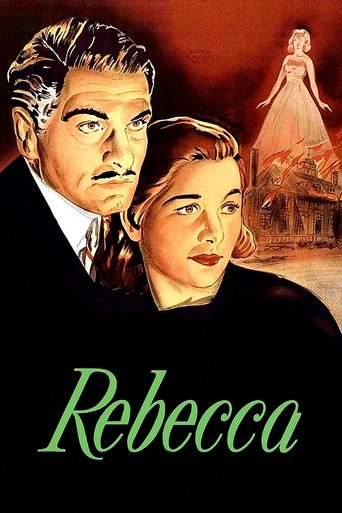
Rebecca (1940)
Hitchcock's gothic about a newcomer in a haunted great house offers a different version of psychological pressure, with romance and suspense in place of ghosts.
See its influence
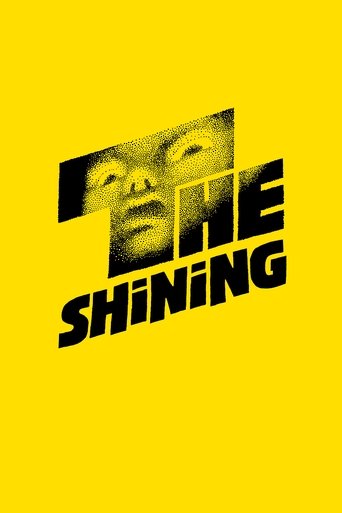
The Shining (1980)
Another isolated house, another mind that may be unravelling, and another film that thrives on the question of what is real.
Explore the era or movement
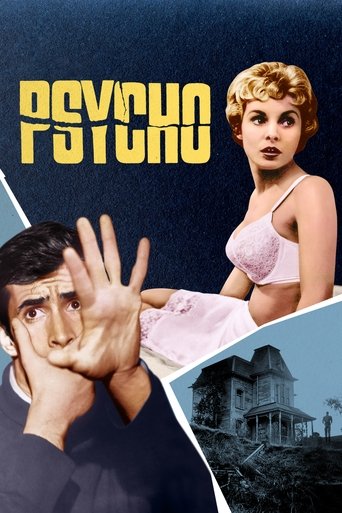
Psycho (1960)
Released a year earlier, it shows the other direction horror took at the time: shock and modern psychology rather than period gothic restraint.
Follow the idea
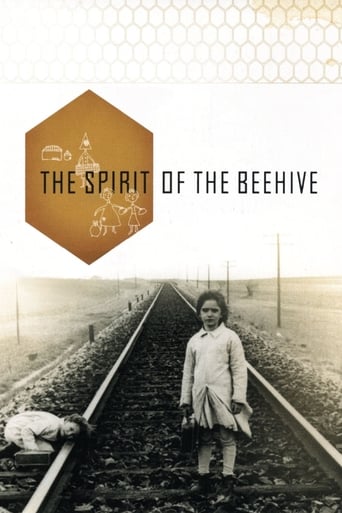
The Spirit of the Beehive (1973)
A child's inner world and a possible apparition, handled with quiet ambiguity and very little overt horror.