Drama · Romance · Comedy
The Graduate
American
1967 · Directed by Mike Nichols · 107 min


Drama · Romance · Comedy
American
1967 · Directed by Mike Nichols · 107 min









Meaning, unpacked
Central idea
The film can be read as a comedy about inherited expectations: a young man handed a ready-made future who cannot say what he wants, and who acts desperately once he finds something he does.
What it means
Benjamin has a degree, a house full of well-meaning adults, and a future that has already been chosen for him. The one thing he lacks is a word to say about it. The Graduate is a comedy about inherited expectations: a young man handed a ready-made life, who drifts, then acts with desperate force the moment he finds something he wants. The sharper question is whether either of those counts as a real choice.
Nobody here really talks. Parents and their friends speak in advice and slogans, and the famous tip about plastics sounds like guidance but says nothing. Two generations share a house and not a language. Pools, cocktails and tidy lawns signal comfort and emptiness at once, and the older characters have no answer to the question Benjamin can't even ask. Even the pool scene, where he sinks to the bottom in scuba gear, makes his isolation literal.
Why it mattered
The film put an uncertain, unheroic young man at the centre of a studio picture, and it made him look the part. Mike Nichols chose Dustin Hoffman, a short, dark stage actor with almost no film experience, over more conventional leading men. That reshaped what a screen hero could look like, and it made Benjamin's outsider status part of the character.
The style was fresh too. Robert Surtees frames Benjamin through glass, doors and mirrors, so you can see him trapped. Montages and match cuts make routine itself funny, with a rhythm that owes something to the French New Wave. Nichols came from improvisational stage work, so pauses and failed sentences carry the meaning. Then comes the ending. He reportedly kept the camera running past the planned moment of triumph, and on the bus the happy look fades from Hoffman and Katharine Ross. The silence turns a happy ending into a question.
Before anyone tells you what to think: what did you make of it?
Log in to rate it and leave commentsIt takes one click with Google or an email link. You come straight back here.
Rate it, keep your notes, and find the next film.
Free, no ads. Your journal, your lists, a Cine Guide that remembers you.
Create your free spaceThe film opened in December 1967 to strong reviews and became one of the year's biggest hits, helped by young audiences who saw their own unease in Benjamin. It earned seven Oscar nominations, including Best Picture, and won Best Director for Nichols. Some older critics found it cold or morally unsettling. It helped prove that young, unheroic protagonists, pop soundtracks and open endings could succeed commercially, paving the way for the character-driven films of the 1970s.
Its images have been parodied and quoted endlessly, and the name Mrs. Robinson became everyday shorthand. Today it is seen as a defining American film of the sixties. Modern viewers often question Benjamin's behaviour and how the film treats its women, and that tension is part of why it still rewards a second look.
What happens
Benjamin crashes Elaine's wedding, she answers his cry, and they escape on a bus. Their triumphant grins fade into silence. The film shows that winning her doesn't tell either of them what comes next.
The last image
Benjamin and Elaine sit side by side at the back of the bus, their smiles slowly fading as it carries them on, with The Sound of Silence returning on the soundtrack.
What it says
The ending is clear: Benjamin has acted, but he still can't say what he wants. Escaping the life planned for him doesn't hand him a new one. The film ends on that silence so you leave holding his question.
Or follow an idea from this film

Explore the era or movement
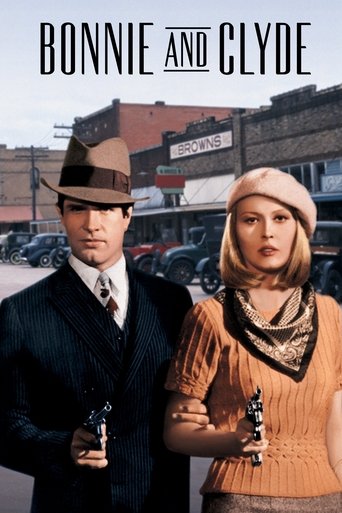
Bonnie and Clyde (1967)
Released the same year, it shows the other side of Hollywood's turn toward the young and the transgressive, with violence in place of comedy.
Compare another approach
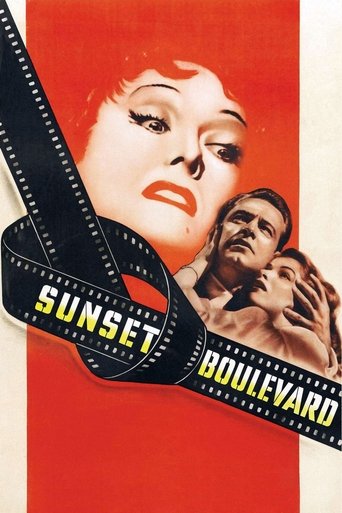
Sunset Boulevard (1950)
A darker, earlier look at an older woman and a younger man whose relationship exposes money, power and disillusion.

See what influenced it
The 400 Blows (1959)
Truffaut's portrait of an adolescent at odds with adult society, ending on a famous held shot, helped inspire the film's open ending.
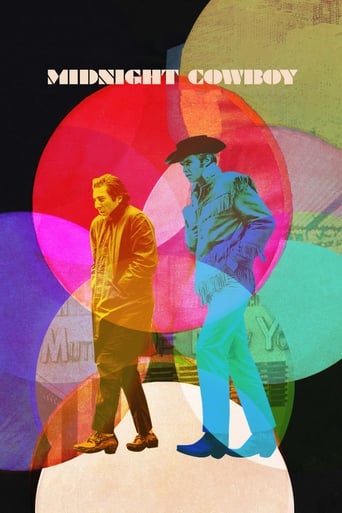
Jump forward
Midnight Cowboy (1969)
Hoffman and John Voight in a grittier New Hollywood drama about outsiders, which shows how far the movement moved in two years.
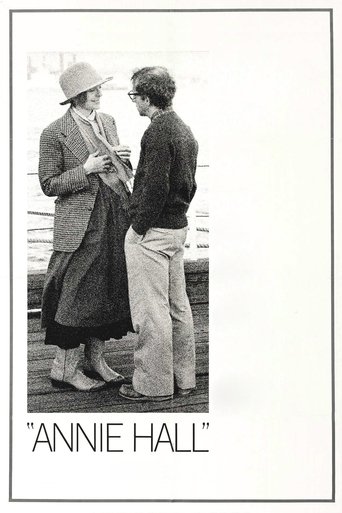
See its influence
Annie Hall (1977)
Woody Allen's comedy of awkward lovers carries the film's dry humour and unglamorous characters into 1970s comedy.