Drama · Crime
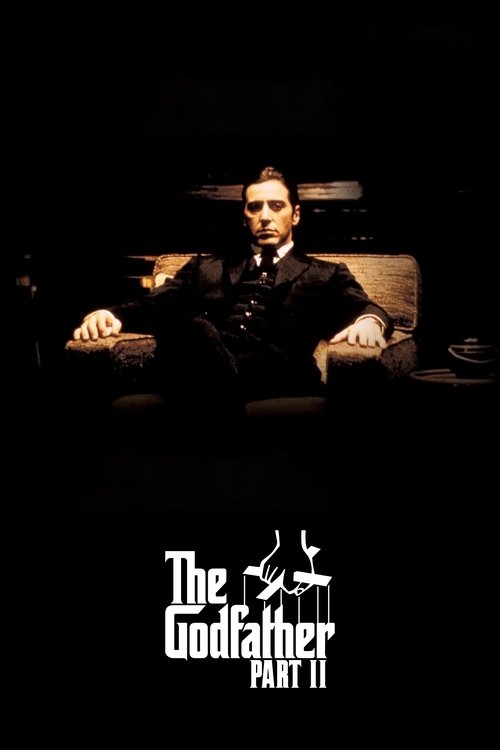
The Godfather Part II
American
1974 · Directed by Francis Ford Coppola · 202 min


Drama · Crime
American
1974 · Directed by Francis Ford Coppola · 202 min



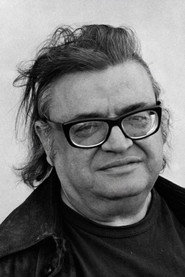
Meaning, unpacked
Central idea
The film can be read as a study of how an immigrant family's search for security and respect turns into isolation. Vito builds a community as he builds power. Michael protects the family by steadily losing the people it is meant to protect.
What it means
The Godfather Part II keeps asking one question: what does it cost to protect the people you love? It moves between Michael Corleone, tightening his grip on the family's empire, and the young Vito, building his own power in Little Italy. The story matters less than the distance between the two men.
That distance is the heart of it. This is a study of how an immigrant family's search for security and respect turns into isolation. Vito builds a community as he builds power. Michael protects the family by steadily losing the people it is meant to protect. The clearest proof is the confrontation with Fredo, where blood and obligation, which justify everything in this world, end up damaging marriages, brotherhood and children. Crime here is a dark version of capitalism and immigrant ambition, tied to politics and business. And Michael wins, but nobody is left in the room to see it.
Why it mattered
In 1974 this was a studio sequel that refused to repeat itself. Paramount wanted a second film after the first became a huge success, and Coppola agreed on the condition of strong creative control. He wanted a new story that deepened the original. It was built as a companion with its own arc, and the Vito scenes are central to its argument, not an extension of the first film's timeline.
Its alternating timelines are not a flashback gimmick. Each cut sets one man's choices beside the other's, so you see the moral difference without anyone explaining it. Gordon Willis kept faces and eyes in shadow in the later scenes, with warm gold and brown light for the past. Scenes are long and patient, trusting you to read meaning in pauses and glances. It showed what a director-led American studio film could do in the 1970s.
Before anyone tells you what to think: what did you make of it?
Log in to rate it and leave commentsIt takes one click with Google or an email link. You come straight back here.
Rate it, keep your notes, and find the next film.
Free, no ads. Your journal, your lists, a Cine Guide that remembers you.
Create your free spaceReviews on release were mixed to strongly positive, and some critics found it colder and more complicated than the first film. Audiences were large, though not as large as for the original. The Academy was clear: it won six of its eleven nominations, including Best Picture, Best Director and Best Adapted Screenplay, and became the first sequel to win Best Picture.
Its standing has only grown. It is now commonly ranked alongside the first film, and some viewers prefer it for its ambition and bleak vision. It set the model for the prestige sequel and for the crime saga as American family history. GoodFellas and The Sopranos drew on its mix of domestic drama, ritual and institutional critique. Its phrases live on too: keeping your enemies closer is often traced to Michael, and "Fredo" became a byword for the disappointing sibling.
What happens
Michael has Fredo killed on the lake after their mother dies, having already destroyed Roth and survived the Senate. He has won every fight, and the film shows what that left him: his wife, his brother and his family gone.
The last image
Michael sits alone and still, remembering the 1941 family dinner, when his brothers were still around him.
What it says
The film ends on Michael's victory so you can see its price. Protecting the family has cost him the people in it. The memory of that dinner is the standard he is measured against, and he cannot return to it.
Or follow an idea from this film
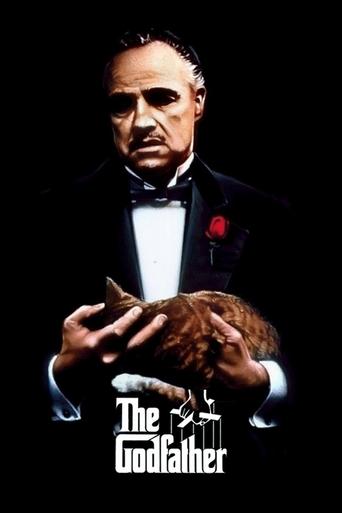

Compare another approach
The Godfather (1972)
The essential companion. Seeing it first, or again afterwards, makes the contrasts and parallels in Part II clearer.
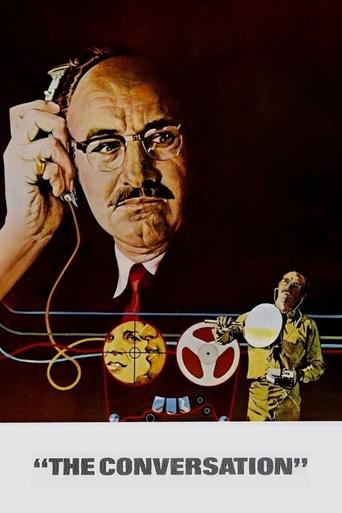
Continue the director
The Conversation (1974)
Coppola's quieter, paranoid study made in the same year shows a very different side of his control.
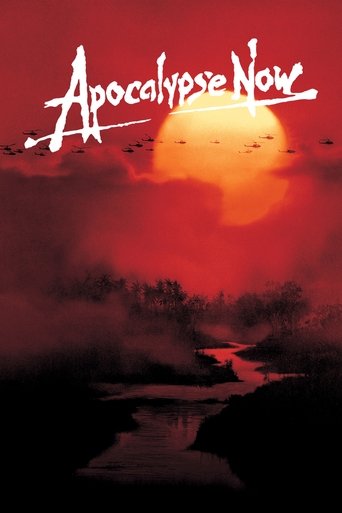
Continue the director
Apocalypse Now (1979)
Coppola's next major project turns the same ambition toward war and moral collapse.

See its influence
GoodFellas (1990)
A later crime film that takes the family-and-ritual model and recasts it with Scorsese's energy and street-level detail.
Follow the idea
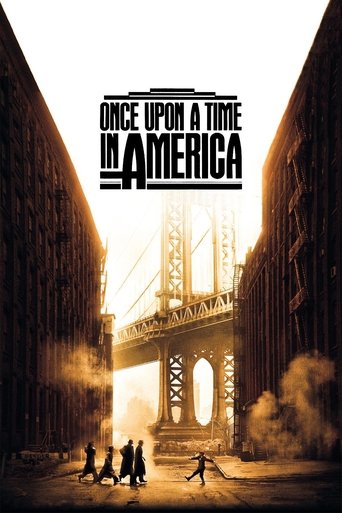
Once Upon a Time in America (1984)
Another long crime saga moving across decades, with memory and regret at its centre.