Drama · Crime
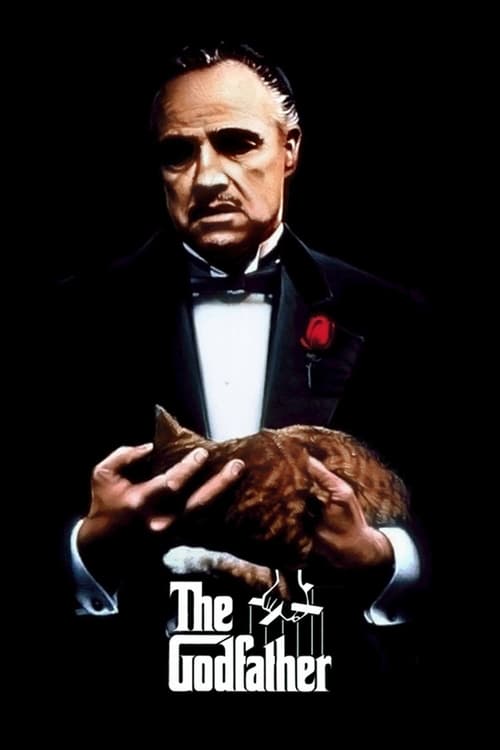
The Godfather
American
1972 · Directed by Francis Ford Coppola · 175 min


Drama · Crime
American
1972 · Directed by Francis Ford Coppola · 175 min

Meaning, unpacked
Central idea
The film can be read as a study of how a family's love, loyalty and tradition can also be the machinery of crime. It asks what is lost when private virtue is put to the service of power, and it does so by making the Corleones attractive before making their costs visible.
What it means
You have just watched a young man walk through a door and close himself off from everything he once wanted. Michael Corleone begins as the family's outsider and ends as its Don. But the film is about more than one man's fall. Its central idea is that a family business that claims to protect its own can reshape and consume the people inside it.
Loyalty, ambition and the wish to be respectable are all virtues here, and they lead somewhere dark. The Corleones chase security in a country that has not made room for them, so crime becomes a parallel route to the same dream. Their rituals carry affection and command at once, and the baptism makes it plain: church ceremony is cross-cut with murders, so Michael's vow and his deeds sit side by side. Then Kay stands outside the closing door, and the film states its moral cost without a word of commentary.
Why it mattered
In 1972 a studio backed a long, dark, director-driven film, and it became one of the highest-grossing films to that date. Critics praised its performances, scale and craft. It proved that personal, morally complex filmmaking could also be a mass-market event, and it stands at the heart of the New Hollywood generation.
It also reinvented the gangster film. Earlier pictures treated criminals as street-level threats. Here they are patriarchs, businessmen and neighbours with their own code of honour. Coppola kept the frame steady and let power come from performance, while Gordon Willis lit rooms from above so eyes sank into shadow. Some worried it made crime glamorous, and Italian-American groups feared stereotypes. It won three Oscars, including Best Picture.
Before anyone tells you what to think: what did you make of it?
Log in to rate it and leave commentsIt takes one click with Google or an email link. You come straight back here.
Rate it, keep your notes, and find the next film.
Free, no ads. Your journal, your lists, a Cine Guide that remembers you.
Create your free spaceIts influence is hard to overstate. It shaped the modern crime saga, from Scorsese's gangster films to television dramas such as The Sopranos, whose characters discuss the film themselves. Its blend of family drama, ritual and violence remains a reference point for filmmakers. "An offer he can't refuse" is one of the most quoted lines in English, and "godfather" is now applied to dominant figures in business, music and politics.
Today it is widely regarded as one of the greatest American films and a benchmark for the crime genre. Its reputation has grown with its sequel and with later readings of it as a tragic critique of power and the American Dream. We are still on the outside, looking in, and still not quite sure we should have liked what we saw.
What happens
Michael becomes godfather to his sister's child while his men murder the other families' heads and Carlo, who betrayed Sonny. He then lies to Kay about Carlo. The door closes on her, and the men greet him as Don Corleone.
The last image
Kay stands outside the room, looking in, as the door closes on Michael, now addressed as Don Corleone.
What it says
Michael began as the family's outsider and ends as its master. The baptism joins his vow and his killings, and the shut door shows what it cost: Kay, and the honest life he once wanted, are left outside.
Next in your retrospective
The Historical Canon · film 50 of 50
You have reached the last film of this retrospective.
Or follow an idea from this film

Continue the director
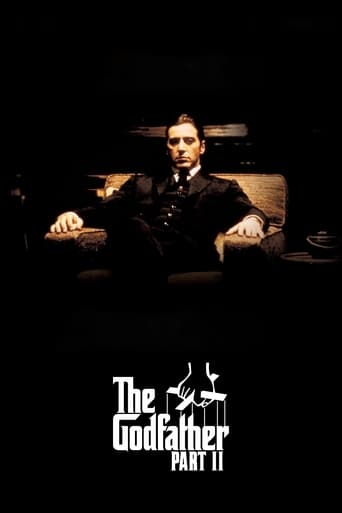
The Godfather Part II (1974)
Coppola's sequel follows the story onward while looking back at Vito's origins, and is often ranked beside the original.
Continue the director
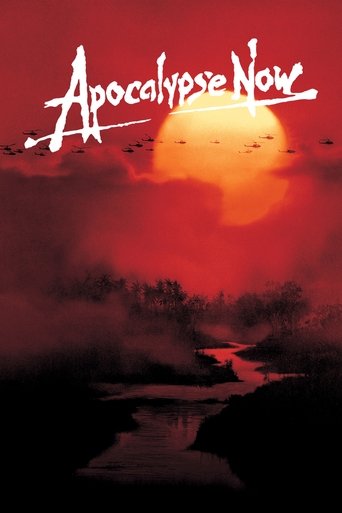
Apocalypse Now (1979)
Coppola's next epic turns his ambition to the Vietnam War, with another journey into moral darkness.

See its influence
GoodFellas (1990)
Scorsese shows the same underworld from the street level, with kinetic editing against Coppola's stately pace.
Explore the era or movement
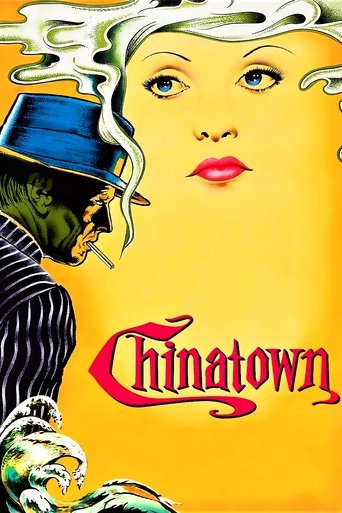
Chinatown (1974)
Another New Hollywood landmark that reworks a classic genre with period detail, moral ambiguity and a sceptical view of power.
Compare another approach
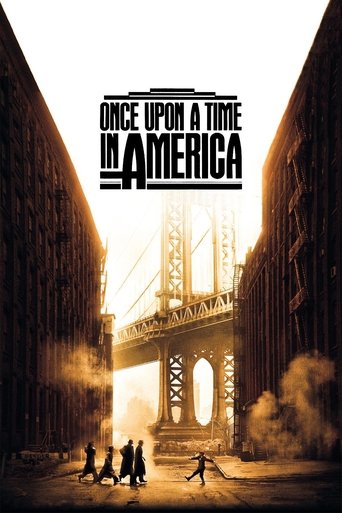
Once Upon a Time in America (1984)
Sergio Leone's gangster epic shares the scale and elegiac tone but approaches memory and loss through a more fragmented structure.