Drama · Romance
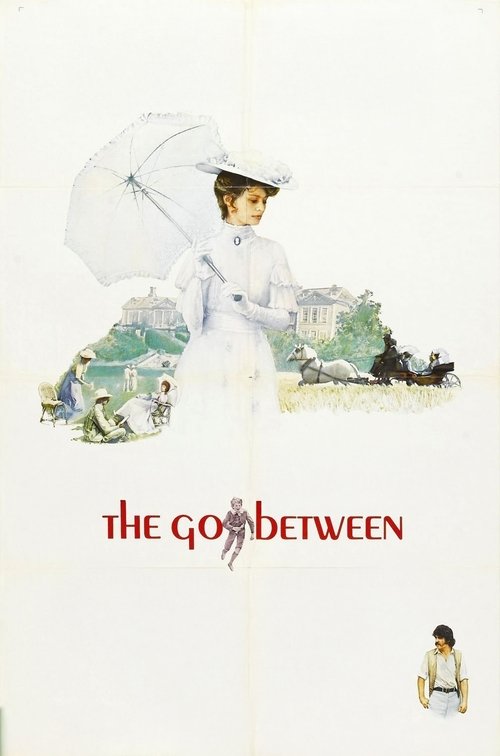
The Go-Between
British
1971 · Directed by Joseph Losey · 116 min


Drama · Romance
British
1971 · Directed by Joseph Losey · 116 min








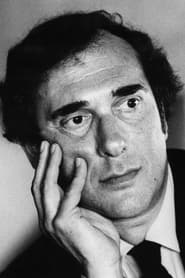
Meaning, unpacked
Central idea
The film can be read as a study of how a rigid class system uses innocence, treating a child as a convenient instrument. It also shows how one summer's damage can shape a whole life.
What it means
At its centre, The Go-Between is about a boy who carries secret notes between Marian and Ted, two people who are not supposed to be together. It asks how long a single shock can last. One hot summer, Leo is made to see what those notes really meant, and the film follows that damage into a whole life.
It also puts a rigid class system on trial. Leo is trusted precisely because he does not understand, so his usefulness depends on his ignorance, and the adults who exploit it are quietly accused. Class is mostly unspoken: the Maudsleys and the tenant farmer share a landscape but not a status, and manners do the work. Passion is everywhere yet hardly anyone names it, and the heatwave becomes a pressure on all that is held back. Leo's childish superstitions and his admiration for Ted and Marian meet adult reality, and his idealised view of the grown-up world breaks apart.
Why it mattered
In the early 1970s this was a defining British art film. It took the period costume picture and made it cooler and more critical, looking at the Edwardian country house as a world of rules nobody states aloud. Seeing those rules through a boy who does not know them makes them visible.
It also showed how much a film can do through omission. Harold Pinter's script compresses the novel and moves its reflective narration into structure and silence, so what the characters avoid saying creates the pressure. Gerry Fisher's hazy photography makes the summer look idyllic and suffocating at once, while Carmen Dillon's design turns dress and furniture into class markers. The film moves between the boy's summer and a later vantage point, so it works as both an event and a memory. It won the Palme d'Or at Cannes in 1971.
Before anyone tells you what to think: what did you make of it?
Log in to rate it and leave commentsIt takes one click with Google or an email link. You come straight back here.
Rate it, keep your notes, and find the next film.
Free, no ads. Your journal, your lists, a Cine Guide that remembers you.
Create your free spaceThe film helped define how British cinema and television dramatise the Edwardian country house, with a sceptical eye on class. Later films that use a child's partial understanding to expose an adult world owe it a debt. Hartley's opening line, that the past is a foreign country, became one of the most quoted in English, often by people who have never read the book. The story has returned as a BBC television adaptation in 2015 and as a stage musical, and the 1971 film is often what those versions are compared to.
Its reputation has held steady. It is regarded as one of the finest British films of its decade and a high point of the partnership between Losey and Pinter. Its cool treatment of class and its use of a child's viewpoint are still admired. If you want to go further, watch The Servant and Accident, the other two Losey and Pinter films, then read the novel and see how the film turns narration into silence.
What happens
Leo is forced to lead Marian's mother to the lovers, and Ted kills himself. Decades later the elderly Leo meets an aged Marian, who asks him to carry one last message to her grandson. He has never recovered from that summer.
The last image
The elderly Leo, still marked by that summer, is left facing the request to carry one more message.
What it says
The ending shows how long one shock can last. Leo is still the go-between, still useful to the grown-ups around him. The old world asks the same service of him again, and the story stays unfinished.
Or follow an idea from this film

Continue the director
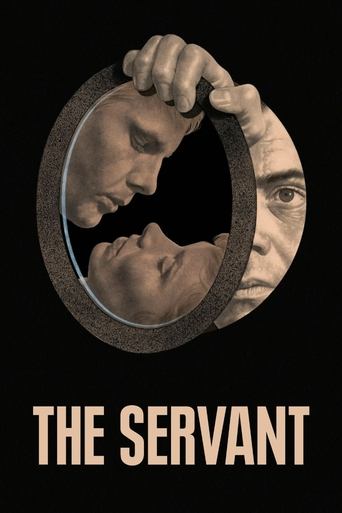
The Servant (1963)
The first Losey-Pinter collaboration, a sharper and more sinister look at class and power within a single house.
Compare another approach
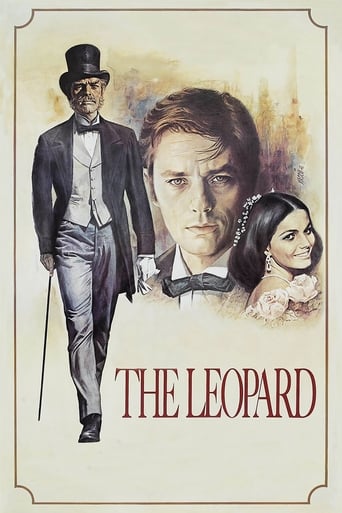
The Leopard (1963)
Visconti's elegiac portrait of an aristocracy in decline, with a similarly lavish look and a critical view of class.
Follow the idea
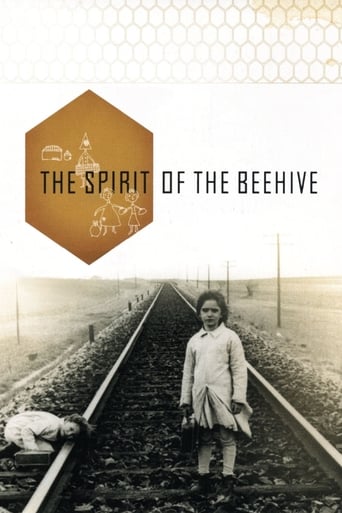
The Spirit of the Beehive (1973)
Another film built on a child's partial understanding of the adult world, shot in a hushed, atmospheric style.
See what influenced it
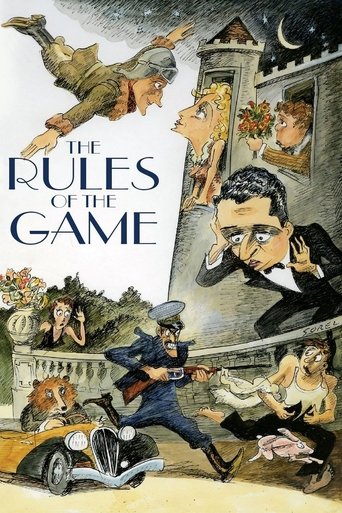
The Rules of the Game (1939)
Renoir's country-house satire shows the tradition of social codes, hidden desires and class boundaries that this film draws on.

Explore the era or movement
Barry Lyndon (1975)
Kubrick's period film of the same decade shares its cool, painterly view of class and the past.