Comedy · Drama
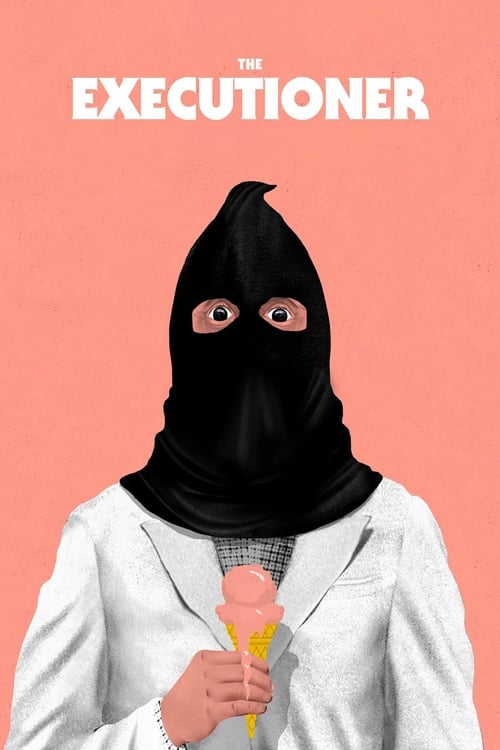
The Executioner
Italian (El verdugo)
1963 · Directed by Luis García Berlanga · 91 min


Comedy · Drama
Italian (El verdugo)
1963 · Directed by Luis García Berlanga · 91 min


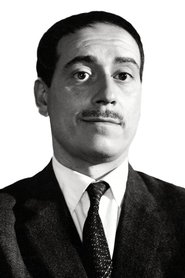

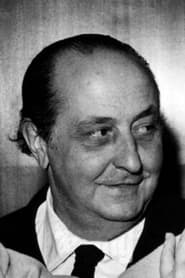

Meaning, unpacked
Central idea
The film can be read as a study of how a system recruits ordinary people to carry out its violence, not through force but through housing, family duty and reasonable-sounding advice, until nobody feels responsible.
What it means
An ordinary man takes a job as an executioner because the job comes with a flat. That is the whole story, and the film cares far more about how he gets there, and who helps him along the way. Its central idea is that a system does not have to force people to do its killing. It can recruit them quietly, through housing, family duty and reasonable-sounding advice, until nobody feels responsible. Every step is small and sensible. Together they make something no one would have chosen.
Three things carry this. The flat is the real engine: in a world of crowded rooms and shortages, security is worth almost any compromise. Family pressure, through affection, pregnancy and respectability, pushes the hero as firmly as any official, so the tragedy is domestic and ordinary. And the language of forms, titles and soothing phrases keeps the killing at a comfortable distance. Underneath, you can read it as a protest against the death penalty, aimed at people who accept it as someone else's job. In the final walk, the man doing the state's work is led along like its victim, with no speech at all. Nobody in the film is a monster, and that is exactly how the machine keeps running.
Why it mattered
Under Franco, direct criticism of the regime would not get past the censors. Berlanga said he preferred comedy and the everyday, and that let the film argue against the death penalty without making a speech. It belongs to the European black comedy that flourished in the early 1960s, and it is a central work of Spanish cinema that slipped past censorship through humour.
Before anyone tells you what to think: what did you make of it?
Log in to rate it and leave commentsIt takes one click with Google or an email link. You come straight back here.
Rate it, keep your notes, and find the next film.
Free, no ads. Your journal, your lists, a Cine Guide that remembers you.
Create your free spaceThe way it is made is part of the point. Berlanga stages crowds in long takes, with several things happening at once, so you scan the frame for jokes and slowly realise that social pressure is physically closing in around the hero. The script, by Rafael Azcona and Berlanga, builds its comedy from dialogue that avoids the central subject, so the dread comes from what is left unsaid. The plain black-and-white photography and light score make the absurd look like ordinary life.
The timing was extraordinary. In August 1963, shortly before the film appeared at the Venice festival, two anarchists were executed by garrote in Spain. Abroad, it was praised as a sharp and humane black comedy. In Spain it became a political flashpoint, and the authorities treated it cautiously. Critics soon saw how much it said about Spanish society within its comic frame.
It set the standard for Spanish black comedy and for the cruel, crowded satire of Berlanga and Azcona, which later filmmakers such as Álex de la Iglesia carried on. Spanish even has an adjective from his name, berlanguiano, for tragicomic scenes of chaotic, morally muddled everyday life. Today it is often considered Berlanga's finest film and one of the greatest Spanish films. It has gained force as its political context has faded, and its flat has become a shorthand for Spain's long housing struggles.
What happens
In Mallorca, José Luis cannot carry out the execution willingly. He begs and collapses, and the guards and his own family lead him toward the chamber. It shows he is trapped by the choices he made, not by any real wish to kill.
The last image
The executioner is dragged forward, limp and protesting, exactly like the man he is meant to execute.
What it says
Nobody forces him in one moment; small, sensible steps did it. By making the killer look like the victim, the film asks who is really trapped, and shows that a system can keep killing while no one feels responsible.
Or follow an idea from this film
Continue the director
Plácido (1961)
Berlanga's previous collaboration with Azcona, a Christmas charity farce in which a poor man's dignity is slowly crushed. It shows the method that reaches its sharpest form in The Executioner.
Coming soon

Compare another approach
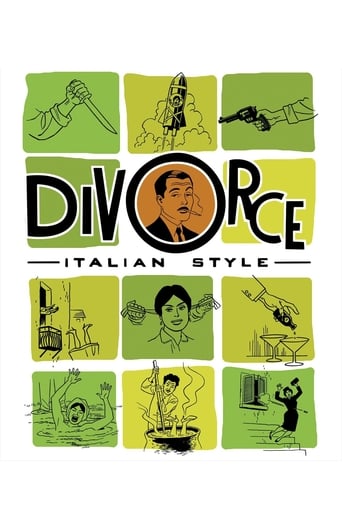
Divorce Italian Style (1961)
Another early-1960s black comedy that treats a monstrous act as an everyday practicality inside a rigid society, here in Sicily and with Marcello Mastroianni.
Explore the era or movement
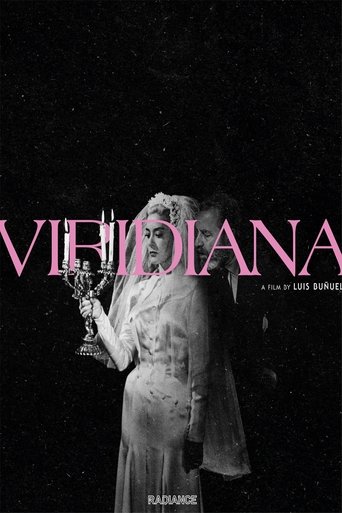
Viridiana (1961)
Buñuel's Spanish-set film shows how directors confronted Franco-era censorship and religion in the same years, with a very different, more surreal tone.
Follow the idea
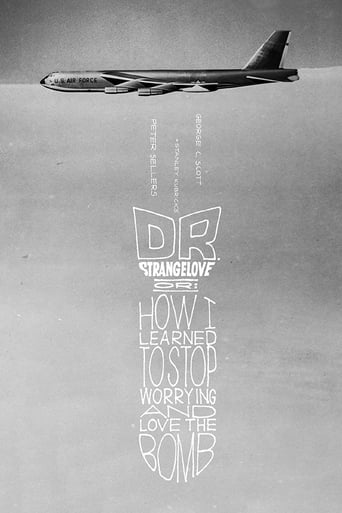
Dr. Strangelove (1964)
A different black comedy built on the same idea: ordinary people and institutions carrying out deadly procedures with polite, bureaucratic reasoning.
Jump forward
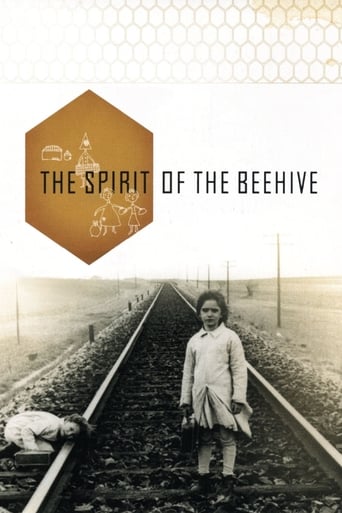
The Spirit of the Beehive (1973)
A later Spanish film shaped by Franco-era silence, using childhood and indirection rather than comedy to express what could not be said.