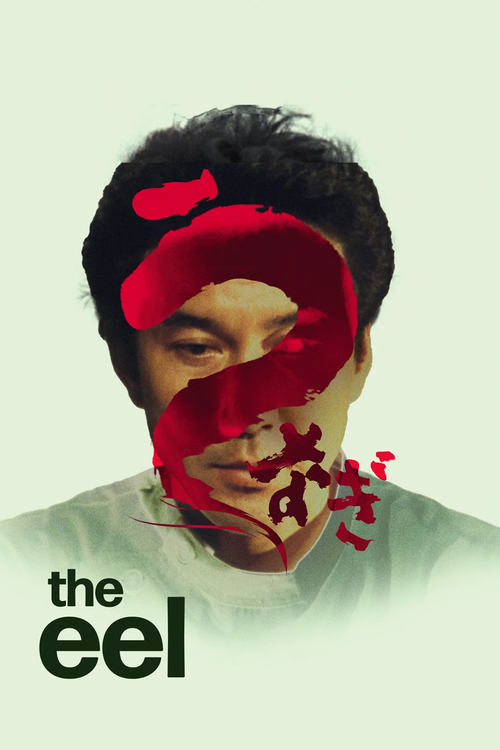
Drama · Crime
The Eel
Japanese (うなぎ)
1997 · Directed by Shōhei Imamura · 117 min


Drama · Crime
Japanese (うなぎ)
1997 · Directed by Shōhei Imamura · 117 min






Meaning, unpacked
Central idea
The film can be read as a story about whether a person who has done something irreversible can live among others again. It looks at silence, shame and responsibility, and at how connection begins in small, awkward, bodily ways.
What it means
The Eel asks one question: can a person who has done something irreversible live among other people again? Takuro leaves prison and tries to start over as a barber in a small riverside town. His sentence is over, yet the film keeps asking what he still owes. He is out, but he is not at peace. The crime itself began with suspicion, set off by an anonymous letter, so every new relationship quietly tests how he handles trust.
That is why he confides in an eel: it cannot judge him or answer him. His real struggle is to speak to people who can. Koji Yakusho plays him almost blank, so the few moments when something breaks through hit hard. Around him, the town is full of oddballs, and the film treats that eccentricity as a kind of hope. The town is flawed, but it is a real way back into life. The film's quiet point may be this: forgiveness may not begin with a grand confession, but when you finally say something, awkwardly, to someone who can answer.
Why it mattered
The Eel won the Palme d'Or at Cannes in 1997, shared with Abbas Kiarostami's Taste of Cherry. It was Imamura's second win, fourteen years after The Ballad of Narayama, which put him among the few directors to win twice at the time. It was received as a surprising late success from a veteran, praised for its humour, sensuality and moral seriousness.
Imamura began as an assistant to Yasujirō Ozu, then rebelled against that calm, ordered view of Japanese life. He wanted to make films about the messier, lower side of life. Here, sex, appetite and physical vitality are never shameful, and he swings between deadpan comedy, sudden eroticism and real menace without warning. That keeps you off balance and stops the film from delivering a tidy moral.
Before anyone tells you what to think: what did you make of it?
Log in to rate it and leave commentsIt takes one click with Google or an email link. You come straight back here.
Rate it, keep your notes, and find the next film.
Free, no ads. Your journal, your lists, a Cine Guide that remembers you.
Create your free spaceThe film helped renew international attention for Japanese cinema in the late 1990s, and it led Imamura and Yakusho to work together again on Warm Water Under a Red Bridge in 2001. Its blend of dark comedy and redemption has echoes in later Japanese stories of ordinary lives after trauma. It also brought Japan's volunteer probation system to international audiences and fed talk of rehabilitation and forgiveness. The image of a man confiding in a pet eel has become a quirky emblem of Imamura's interest in outsiders.
Today it is usually seen as one of Imamura's most accessible and humane films, and a high point of late-1990s Japanese cinema. Some viewers still find its looseness puzzling, while others now see that unpredictability as its strength. It turns up in retrospectives of Imamura and in film courses as an example of late-career, humane dark comedy.
What happens
After the violent confrontation with Dojima, Takuro chooses not to run. He faces what he has done openly, and Keiko says she will stand by him. He no longer confides only in his eel.
The last image
Takuro turns toward the consequences of his act, the eel no longer his only listener, with Keiko beside him.
What it says
Release from prison was never the same as peace. Takuro finds a way back only when he speaks to someone who can answer. The ending offers no neat absolution, just a man, finally, facing others.
Or follow an idea from this film


Continue the director
The Ballad of Narayama (1983)
Imamura's first Palme d'Or winner is a harsher, more elemental story of rural survival, and shows the roots of his earthy approach.

Compare another approach
Taste of Cherry (1997)
The film that shared the Palme d'Or with The Eel is a spare, quiet study of a man alone, and offers a very different vision of the same year at Cannes.
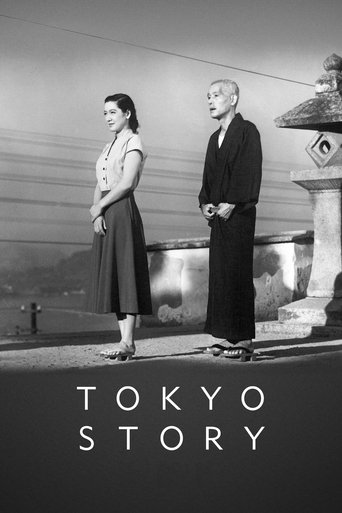
See what influenced it
Tokyo Story (1953)
Ozu's calm family drama, made by the director Imamura once assisted, shows the order and restraint that Imamura's cinema pushes against.
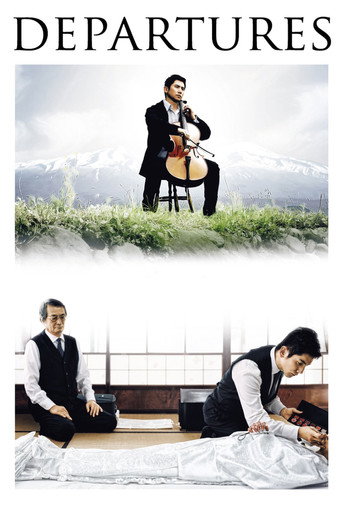
Follow the idea
Departures (2008)
A Japanese drama about shame, work and acceptance by a small community, using humour and ritual in a way that echoes The Eel.

Jump forward
Drive My Car (2021)
A modern Japanese film about guilt, silence and learning to speak honestly after loss, with a similarly slow, patient approach.