Comedy
The Discreet Charm of the Bourgeoisie
French (Le Charme discret de la bourgeoisie)
1972 · Directed by Luis Buñuel · 101 min


Comedy
French (Le Charme discret de la bourgeoisie)
1972 · Directed by Luis Buñuel · 101 min









Meaning, unpacked
Central idea
The film is about appetite and its endless postponement. Through a dinner that never happens, it can be read as a portrait of a class whose manners shield it from reality, guilt and any real fulfilment.
What it means
A group of well-dressed friends try to sit down to dinner, and again and again something gets in the way. The film repeats that one idea until it becomes something stranger. The dinner that never happens stands in for every kind of satisfaction: it is set up and denied, set up and denied, and the characters are left craving something they can't even name.
Look at the politeness. Good manners cover drug trafficking, political corruption and casual cruelty, so courtesy is the group's real religion and its moral alibi. Death, terror and politics keep barging into the drawing room, and each time they are absorbed into small talk. Dreams nest inside one another with no marker, so waking life gets no special status. You may even feel that bourgeois life itself has something of a sleepwalk about it.
Why it mattered
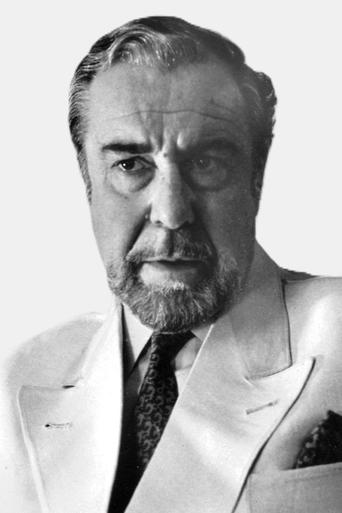
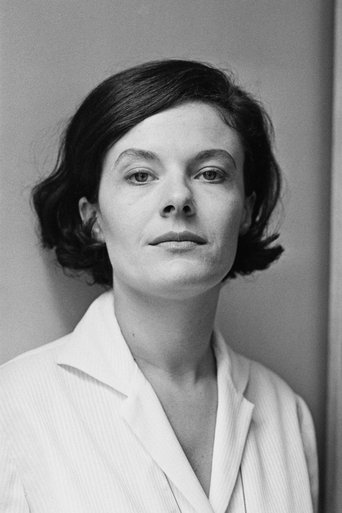
Buñuel films absurdity as if it were routine. He never signals that anything is strange, and the comedy depends on that. The film grows by variation and interruption, with dreams nested to make the ground uncertain. Fernando Rey, Delphine Seyrig and Stéphane Audran play with elegant restraint and never seem to mock themselves, which gives the satire its bite. The dialogue, by Buñuel and Jean-Claude Carrière, is so formal and exact that talk about drinks and manners becomes hilarious by being so empty.
It also marked a late-career freedom. After years of censorship and cheap budgets in Spain and Mexico, Buñuel had producer Serge Silberman behind him and could make polished, sharply aimed satires about the class he disliked. The film was a major critical and popular success, unusual for a surrealist, and won the Academy Award for Best Foreign Language Film.
Before anyone tells you what to think: what did you make of it?
Log in to rate it and leave commentsIt takes one click with Google or an email link. You come straight back here.
Rate it, keep your notes, and find the next film.
Free, no ads. Your journal, your lists, a Cine Guide that remembers you.
Create your free spaceIts model of a repeating, interrupted social event, and of nested dreams, influenced later satirists and dream-logic filmmakers. Buñuel returned to the same method in The Phantom of Liberty and That Obscure Object of Desire. "The discreet charm of the..." became a stock journalistic formula for poking fun at the comfortable habits of the well-off, often with no link to the film at all.
The image of six friends walking down an empty country road became a symbol of a privileged class heading nowhere. Today the film is often seen as one of the cleanest introductions to Buñuel and to surrealist comedy. It is a staple of film courses, often read as a portrait of French bourgeois life after 1968, and its targets, polite privilege and institutional hypocrisy, still feel current.
What happens
Gunmen burst into a final dinner and shoot the guests. The ambassador wakes, so it was another dream. The film closes on the six friends walking a country road, still unfed.
The last image
The six friends walk calmly along an empty country road, going nowhere in particular.
What it says
The film has no waking frame to return to. Even this shock is another dream, and the friends carry on, untouched. The dinner never arrives because the film is about endless postponement, and the road shows a class moving without direction.
Or follow an idea from this film

Continue the director
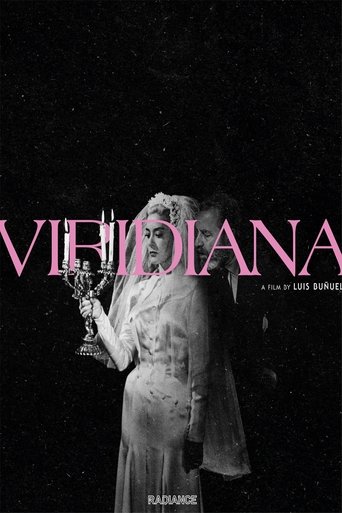
Viridiana (1961)
Buñuel's earlier attack on charity, religion and hypocrisy, with a darker tone. It shows the roots of the satirical themes seen here.
Follow the idea
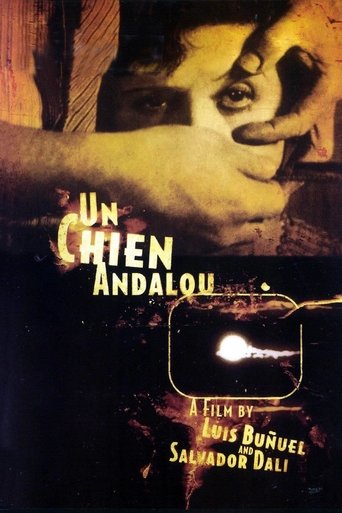
Un Chien Andalou (1929)
Buñuel's short surrealist debut with Dalí shows the raw dream logic that he later refined into polished comedy.
See what influenced it
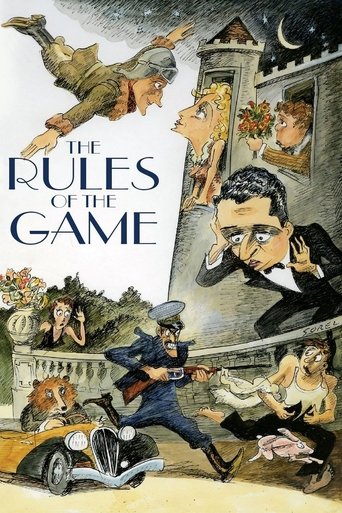
The Rules of the Game (1939)
Renoir's comedy of manners among the privileged is another dinner-party satire in which polite surface and moral emptiness coexist.
Compare another approach
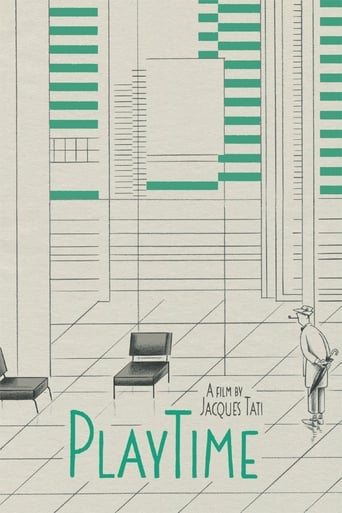
PlayTime (1967)
Tati's comedy of bourgeois modernity also uses a restrained camera and gentle repetition, but with a more affectionate view of its subjects.

Jump forward
Triangle of Sadness (2022)
A contemporary satire in which an elite dinner and its etiquette are used to expose power and class.