Drama · Thriller · Crime
The Departed
American
2006 · Directed by Martin Scorsese · 151 min


Drama · Thriller · Crime
American
2006 · Directed by Martin Scorsese · 151 min
Meaning, unpacked
Central idea
The film can be read as a study of identity as performance. Its two leads each live behind a false self, and the film asks whether loyalty, class and upbringing can survive in a world where nobody is what they claim.
What it means
The Departed is about identity, and how it gets shaped by the roles people are forced to play. Two moles hunt each other: Sullivan, a criminal planted inside the police, and Costigan, a cop planted inside the gang. They are mirror images. Each lives a false life for so long that it starts to replace the real one, and the film quietly asks whether anyone can stay a lawful person inside a corrupt world.
That corruption isn't limited to the gang. Police and criminals are less opposed than they look: both run on secrets, informants and violence, and both reward whoever hides best. Loyalty is the sore spot. Fathers, mentors and institutions all demand it, and the people closest to you turn out to be the least trustworthy. Class sits underneath too. Costigan's background marks him as an outsider, while Sullivan's polish is a protection someone else paid for. The film doesn't ask who is good and who is bad. It asks who you become after wearing a mask long enough.
Why it mattered
In 2006 this was Scorsese returning to a tight genre piece, and critics welcomed it. It was a major commercial success and won four Oscars: Best Picture, Best Director, Best Adapted Screenplay and Best Film Editing. For Scorsese it was the long-awaited director's win, after several earlier nominations. Mark Wahlberg earned a fifth nomination, for supporting actor.
It also showed how a remake can be a real act of translation. It is based on the 2002 Hong Kong thriller Infernal Affairs, by Andrew Lau and Alan Mak. William Monahan moved the story to Boston, added new characters and backstory, and wrote profane, quick, funny dialogue. It is not a shot-for-shot copy: the tone and ending differ too. The film's craft is the real achievement. Thelma Schoonmaker's cutting makes two parallel lives race toward collision, and the tension is built from faces, phone calls and short, sharp scenes.
Before anyone tells you what to think: what did you make of it?
Log in to rate it and leave commentsIt takes one click with Google or an email link. You come straight back here.
Rate it, keep your notes, and find the next film.
Free, no ads. Your journal, your lists, a Cine Guide that remembers you.
Create your free spaceThe film reinforced the model of the star-driven American remake of an Asian genre hit, and helped set the template for gritty, ensemble-driven urban crime films about divided loyalties. It also confirmed Scorsese's late-period partnership with DiCaprio. Its release fed public interest in Whitey Bulger, the South Boston gangster who inspired Costello, though Costello is a fictional composite and the plot is invented.
Today it is seen as a late-period Scorsese highlight and a model of the modern studio crime thriller. Some rank it below GoodFellas for depth, and people still argue about its theatrical tone and whether its Best Picture win was partly a career award. But few question the craft, and its rewatchability has kept its reputation high. If you want to go next, try Infernal Affairs to see the story in its first home.
What happens
Billy is shot dead in an elevator, and Colin is hailed as a hero. But Madolyn has seen the truth, and Dignam shoots Colin in his apartment. The rat's lies finally collect their debt.
The last image
A rat scurries along a balcony railing outside Colin's apartment.
What it says
The ending refuses a clean victory. Nobody who wore a mask survives, and the rat says in one image what the film has argued all along: a life built on betrayal ends in betrayal. Scorsese is blunt on purpose.
Or follow an idea from this film


Continue the director
GoodFellas (1990)
Scorsese's defining gangster film offers a seductive, kinetic view of mob life, with voice-over and editing techniques that The Departed develops.
See what influenced it
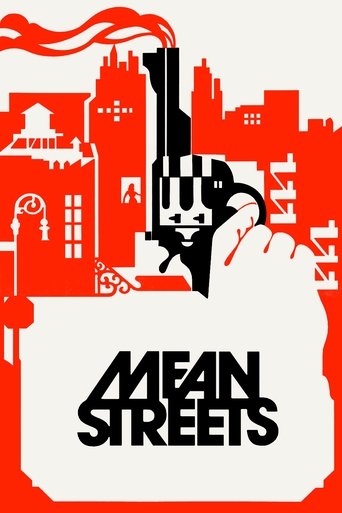
Mean Streets (1973)
Scorsese's breakthrough shows the neighbourhood loyalties, guilt and music-driven style that run through his later crime films.
Compare another approach
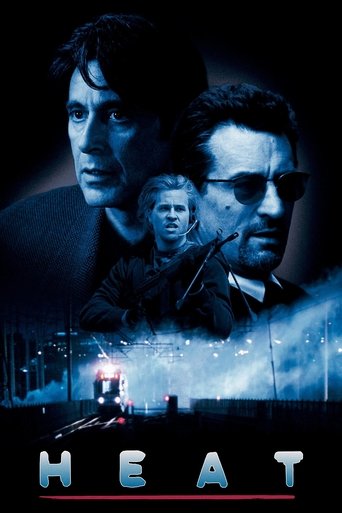
Heat (1995)
Another big-star crime thriller about cops and criminals as mirror images, with a cooler, more formal approach to similar themes.
Follow the idea
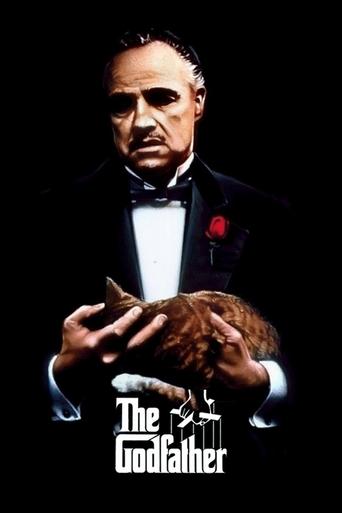
The Godfather (1972)
The classic story of family, loyalty and organised crime shows the tradition that The Departed revisits and darkens.