Science Fiction · Thriller · Drama
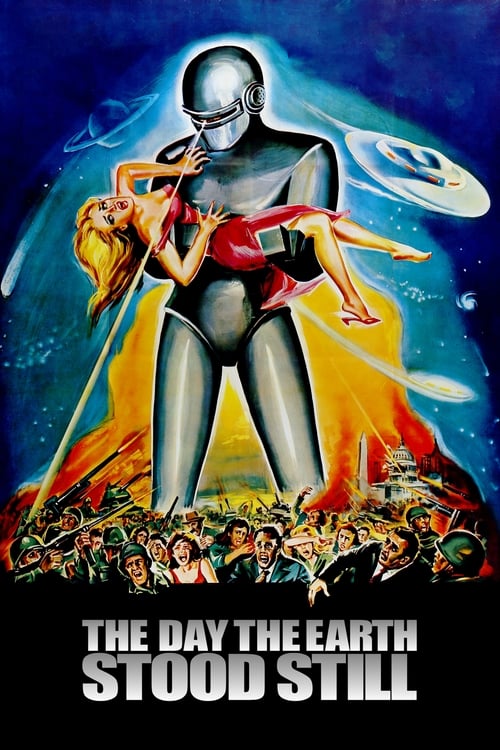
The Day the Earth Stood Still
American
1951 · Directed by Robert Wise · 92 min


Science Fiction · Thriller · Drama
American
1951 · Directed by Robert Wise · 92 min



Meaning, unpacked
Central idea
The film explores how fear drives human institutions and how power can be turned toward peace or toward destruction. It can be read as a Cold War parable asking whether humanity can govern itself, and who would enforce the answer.
What it means
A flying saucer lands in Washington. Klaatu, a calm visitor, steps out with a gift and is shot by a nervous soldier. That one frightened shot holds the film's whole argument: the stranger arrives in peace, and humans answer with a bullet.
At heart this is a Cold War parable about how fear drives our institutions, and how power can be turned toward peace or toward destruction. Can humanity govern itself? And if it can't, who would enforce the answer? Klaatu hides among ordinary people, where Helen Benson and her son Bobby treat him as a person, not a threat, while an informer betrays him. To make the world listen, he stops electricity everywhere at noon, except where lives depend on it. Then comes the uncomfortable part. Other worlds have handed their security to robots like Gort, which destroy any planet that carries violence into space. Peace guaranteed by overwhelming, unaccountable power: the film can be read as endorsing that, or as unsettled by it. It leaves you to judge.
Why it mattered
In 1951, science fiction was mostly serials and B-pictures. This film, from a major studio, treated the genre as a drama of ideas rather than a monster show. Director Robert Wise played the fantastic premise like a newsreel-influenced drama, building suspense from glances and delay. The landing is staged through crowds, radio reports and ranks of soldiers, so the reaction matters as much as the saucer.
It also changed how science fiction looked and sounded. Leo Tover's night photography borrowed long shadows from thrillers and horror, especially around Gort. Bernard Herrmann's score used two theremins, electric strings, pianos, harps and brass, with sounds altered in recording, giving the genre a sonic identity of its own. And Edmund North's script, built on Harry Bates's 1940 story, gave the political message a human frame: a boarding house and a family.
Before anyone tells you what to think: what did you make of it?
Log in to rate it and leave commentsIt takes one click with Google or an email link. You come straight back here.
Rate it, keep your notes, and find the next film.
Free, no ads. Your journal, your lists, a Cine Guide that remembers you.
Create your free spaceThe thoughtful, non-hostile alien and the imposing silent robot became screen archetypes. Later first-contact films, from Close Encounters of the Third Kind to Arrival, build on its mix of awe and politics. Gort has been parodied and imitated in TV, comics and toys, and "Klaatu barada nikto" became a fan favourite, even turning up in Army of Darkness, where the hero fumbles the words.
On release the film drew respectful notices for its restraint and intelligence. Some critics found the ending earnest or preachy, and it didn't match the box office of later genre hits. Its reputation grew steadily. Today it stands as a classic of 1950s science fiction and Cold War cinema, valued for its calm intelligence and Herrmann's score. A 2008 remake with Keanu Reeves did not displace it. The film never claims to know whether we will listen, and that is part of why it still holds.
What happens
Klaatu is shot dead, but Helen speaks the words to Gort, who revives him briefly. Klaatu warns the assembled scientists that Gort-like robots will destroy any world that carries violence into space. Earth can choose peace or destruction. He leaves.
The last image
Klaatu's saucer lifts away from the Ellipse, leaving Earth to decide for itself.
Two readings
What it says
Fear caused the violence from the first shot, and the ending asks whether humanity can overcome it or must be policed. The film gives you the warning and withholds the verdict, because it never claims to know whether we will listen.
Or follow an idea from this film

Explore the era or movement
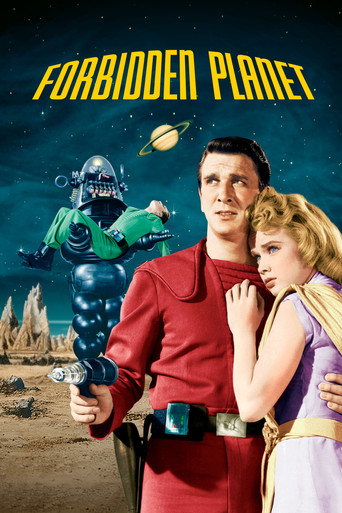
Forbidden Planet (1956)
A colourful, expensive 1950s science fiction film with a famous robot and pioneering electronic score, showing how far the genre rose in studio ambition.
Compare another approach
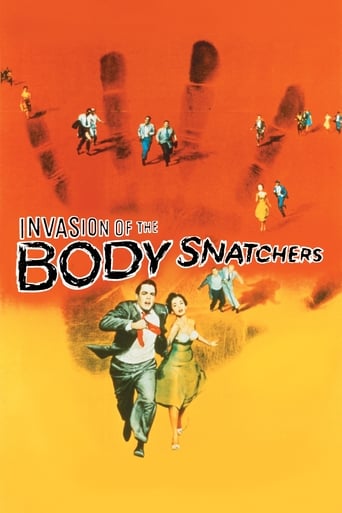
Invasion of the Body Snatchers (1956)
Also Cold War science fiction, but driven by paranoia rather than reason. Comparing the two shows how the decade's fears could be shaped in opposite ways.
Follow the idea
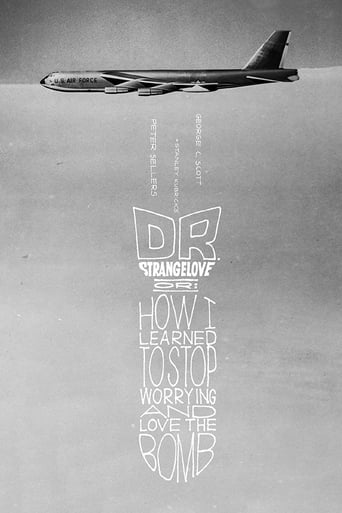
Dr. Strangelove (1964)
Treats nuclear brinkmanship and the impossibility of rational control with black comedy instead of earnest warning.
Continue the director
West Side Story (1961)
Shows Wise's range and his command of rhythm and staging in a very different genre, a Best Picture-winning musical he co-directed.

See its influence
Close Encounters of the Third Kind (1977)
A later and more hopeful vision of contact that shows how the film's benevolent visitor became a major strand of science fiction.