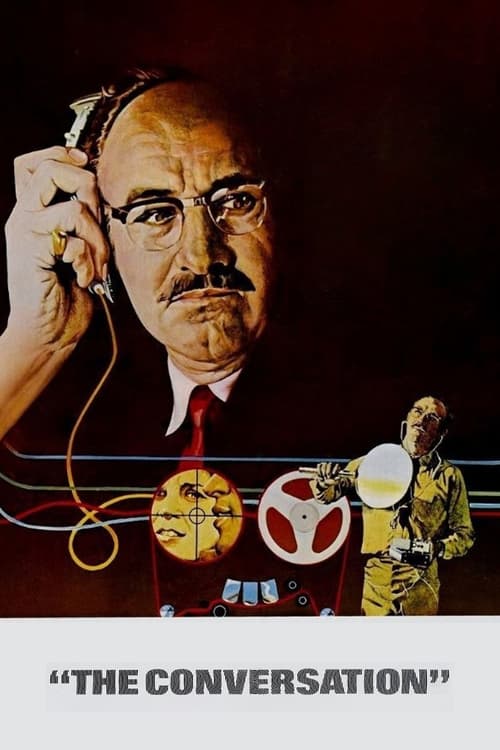
Crime · Drama · Mystery
The Conversation
American
1974 · Directed by Francis Ford Coppola · 115 min


Crime · Drama · Mystery
American
1974 · Directed by Francis Ford Coppola · 115 min








Meaning, unpacked
Central idea
The film can be read as an examination of the gap between gathering information and understanding it, and of the moral cost of professional detachment. Harry hears everything yet cannot see what is happening to himself.
What it means
Harry Caul hears everything and understands almost nothing. He is a surveillance man who records a couple in a crowded square, comes to fear his tape will lead to a killing, and finds he has misread it. He ends up alone in the ruins of his own apartment, watched in turn. At its heart the film is about the gap between gathering information and understanding it, and the moral cost of professional detachment.
The tape seems like objective proof, but meaning depends on emphasis and context. Each time Harry plays back the line "He'd kill us if he got the chance," a different word seems to carry the weight. A clear recording can still be misread, and the film quietly asks whether you got it wrong along with him. Harry guards his own privacy fiercely while destroying other people's for a living. Guilt runs underneath: his Catholic upbringing and a past job that ended in death make him distrust his own detachment. With only sound to go on, his conscience imagines what happened behind the door of hotel room 773, and an unverified fear hardens into certainty. His isolation is the price of his career and the source of his weakness.
His tragedy is that he never asked who was listening to him. Most of us have never had to ask either.
Why it mattered
In 1974 this was a thriller built out of listening. The plot is minimal and circular, resting on one recording and a few repeated playbacks. Information is withheld rather than added, which keeps you inside Harry's head. Walter Murch shaped the recordings so that clarity, distortion and emphasis each change what you hear, so the central question is built into the sound mix as much as the script. It helped lift sound design into a creative force in storytelling.
Before anyone tells you what to think: what did you make of it?
Log in to rate it and leave commentsIt takes one click with Google or an email link. You come straight back here.
Rate it, keep your notes, and find the next film.
Free, no ads. Your journal, your lists, a Cine Guide that remembers you.
Create your free spaceThe camera behaves like a device, with zooms, slow pans and distant, high viewpoints, so you watch Harry the way he watches others. The opening makes the method plain: a slow zoom settles on Union Square, microphones catch fragments of talk, and Harry builds a recording from the pieces. It also spoke to its moment. Corporations and officials never explain their motives, which echoes the secrecy and suspicion of early-1970s America. The film opened months before Nixon resigned, and audiences saw it as part of the same mistrust.
Critics admired it as an intelligent, precisely made thriller, and it won the Palme d'Or at Cannes in 1974. It earned three Oscar nominations (Best Picture, Original Screenplay and Sound) but no wins. Beside The Godfather it was no great commercial success, and many viewers found it cold. Over time it has been kind to the film. It is now often seen as Coppola's most disciplined work and a high point of 1970s American cinema.
It established the surveillance thriller as a serious genre, shaping De Palma's Blow Out and later films like The Lives of Others. Hackman's reclusive eavesdropper in Enemy of the State is widely read as a deliberate echo. It is a common case study in film courses, and commentators reach for it whenever state or corporate surveillance is in the news, notably after the 2013 Snowden disclosures. Its worries now feel current rather than dated.
What happens
Harry learns the Director is dead, and that Mark and Ann were the killers, not the victims. A phone call then warns him he is being recorded. He wrecks his apartment searching for the bug, finds nothing, and plays his saxophone in the ruins.
The last image
Harry sits playing his saxophone amid the wreckage while the camera sweeps back and forth like a surveillance camera.
What it says
Harry misread the tape, and his imagination turned an unverified fear into certainty. The ending turns his trade on him: the watcher is watched, and the privacy he guarded is gone. He never asked who was listening to him.
Or follow an idea from this film

See what influenced it
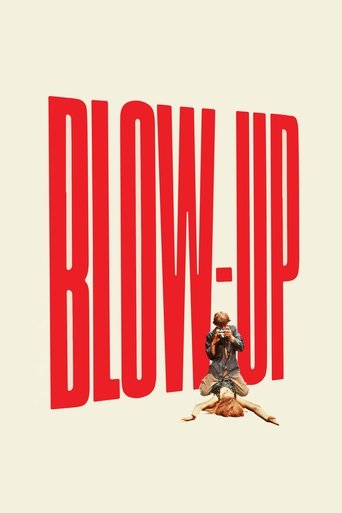
Blow-Up (1966)
The film that inspired Coppola's script. It also treats recorded evidence as something that raises more questions than it answers.
Continue the director
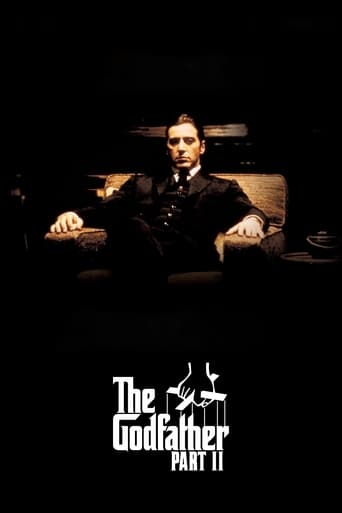
The Godfather Part II (1974)
Coppola made it in the same period. Its themes of isolation, power and moral decline make a revealing companion piece.
Explore the era or movement
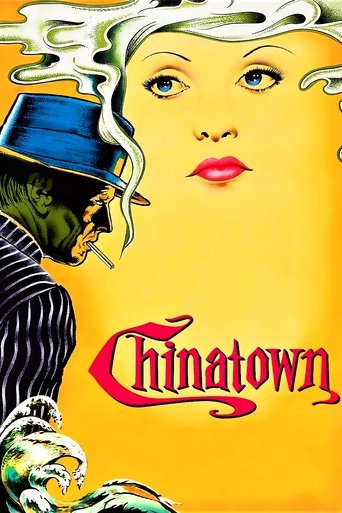
Chinatown (1974)
Released the same year, it is another New Hollywood mystery in which a professional investigator learns that knowing the truth does not mean controlling it.
See its influence
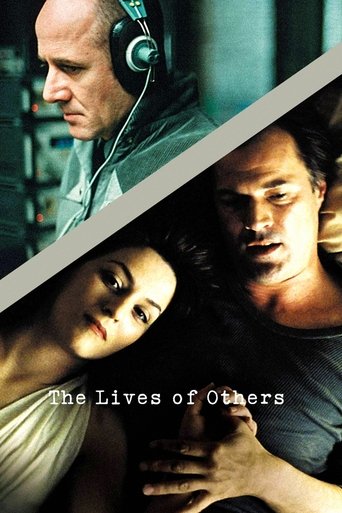
The Lives of Others (2006)
A later film about a man whose job is listening to others, showing how the surveillance thriller developed.
Compare another approach
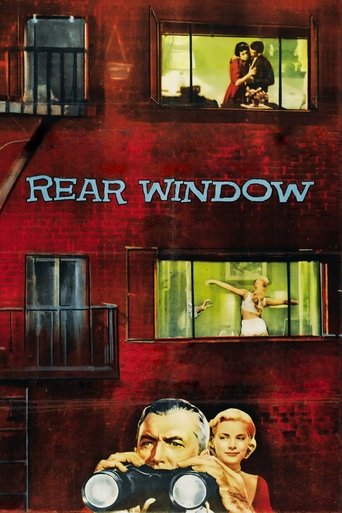
Rear Window (1954)
Hitchcock's earlier take on a voyeur-detective gives a useful contrast of classical suspense against the 1970s approach.