Drama · History · War
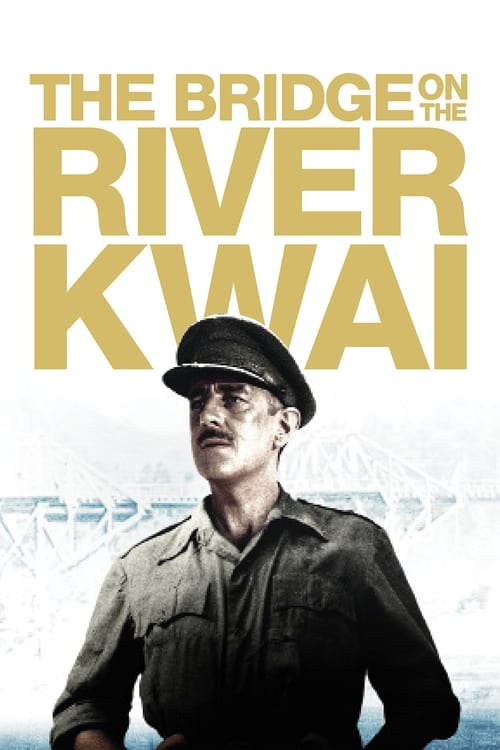
The Bridge on the River Kwai
British
1957 · Directed by David Lean · 162 min


Drama · History · War
British
1957 · Directed by David Lean · 162 min







Meaning, unpacked
Central idea
The film can be read as a study of how a man's honour, discipline and pride can become so detached from their purpose that they serve the wrong cause, asking where integrity ends and obsession begins.
What it means
A British colonel builds a bridge for the enemy, and builds it superbly. Commandos are sent to blow it up. At the last moment, Nicholson sees what he has done, and the bridge comes down. But the story is not the point. The question underneath it is: where does integrity end and obsession begin?
Nicholson's honour, discipline and pride all start out as virtues. In the standoff in the sun, his refusal to let his officers do manual labour looks like heroism, yet stubbornness and courage can look exactly alike. Building well also lets the prisoners keep their dignity, even as it helps their captors. Then comes the quiet scene where he inspects the finished bridge. Lean lets Alec Guinness's face carry it: the bridge has become a monument to himself. Major Clipton, a doctor and a neutral observer, cries out "Madness!"
Why it mattered
In 1957 this was a huge, internationally financed epic that refused easy heroes and villains. Lean shares the screen between both sides, so neither is simply a villain. British duty and Japanese bushido mirror each other, and Nicholson and Colonel Saito recognise something familiar in one another. William Holden's Shears, a sceptical survivor, asks what bravery looks like once the glamour is stripped away.
It was also made with real physical ambition. The crew built a huge bridge in the jungle near Kitulgala, in Ceylon, now Sri Lanka, and the finale used a real structure and a full-size locomotive. Jack Hildyard's widescreen photography makes the camp feel both beautiful and inescapable. And a cheerful tune, the Colonel Bogey march with Malcolm Arnold's counterpoint, became an act of defiance. The film was a major hit and won seven Academy Awards, including Best Picture, Best Director and Best Actor for Guinness, a man best known for comedy.
Before anyone tells you what to think: what did you make of it?
Log in to rate it and leave commentsIt takes one click with Google or an email link. You come straight back here.
Rate it, keep your notes, and find the next film.
Free, no ads. Your journal, your lists, a Cine Guide that remembers you.
Create your free spaceThe film helped set the model for the morally conflicted war epic, where duty and obsession are examined rather than celebrated. Lean and producer Sam Spiegel went on to make Lawrence of Arabia, and later war films about fanaticism and command echo its tone. Its whistled march became shorthand for jaunty defiance, and "Madness!" is still quoted when rigid duty defeats its own purpose. It even drew visitors to the bridge at Kanchanaburi in Thailand.
A word of caution: the story is fiction, and the real Burma Railway cost terrible human life. The real bridge was bombed from the air, and real prisoner commanders like Philip Toosey worked to protect their men, so some veterans and historians criticised the film. Today it is regarded as a classic, and people tend to value its ambiguity over its spectacle. Perhaps that is why it lingers. You may find yourself whistling that march, and wondering what, exactly, you are proud of.
What happens
Nicholson spots the commandos' wires and raises the alarm. Wounded, he recognises Shears, mutters "What have I done?" and falls onto the plunger, destroying the bridge and the first train. He realises, too late, that he has been helping the enemy.
The last line
"Madness!"
What it says
Nicholson's honour, discipline and pride started as virtues, but his pride in the work swallowed its purpose. Clipton's cry, from a neutral doctor, names the cost: rigid duty can defeat itself, and the ending lets you feel that without a lecture.
Or follow an idea from this film
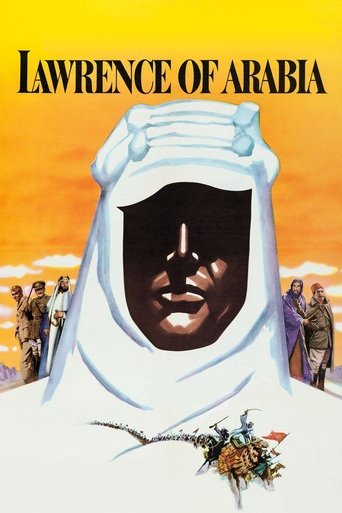

Continue the director
Lawrence of Arabia (1962)
Lean's next great epic is a more ambitious study of an obsessive leader in an unforgiving landscape, and the clearest evidence of what Kwai started.
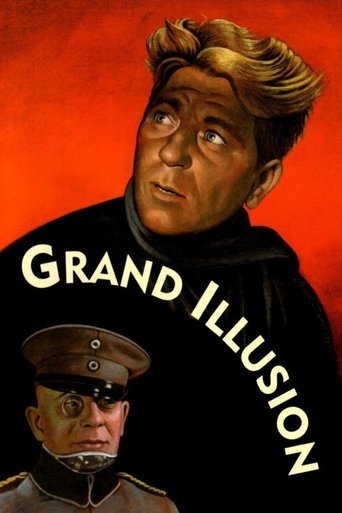
Compare another approach
Grand Illusion (1937)
A prisoner-of-war film from the opposite side of the war genre: quiet, humane and focused on respect between enemies rather than on spectacle.
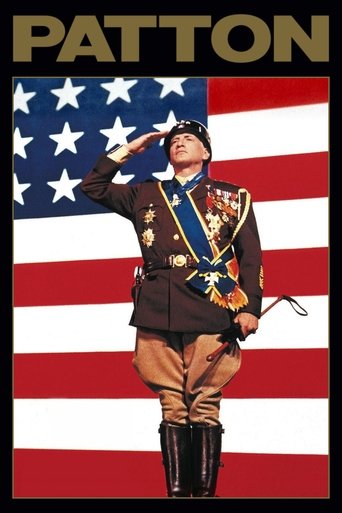
Follow the idea
Patton (1970)
Another portrait of a disciplined commander whose certainty is both his strength and his flaw, and which leaves the audience to judge him.
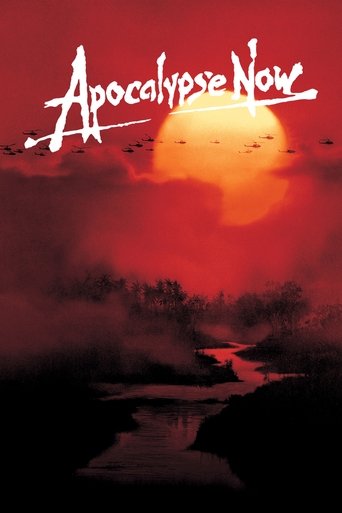
Jump forward
Apocalypse Now (1979)
A later, harsher war film about obsession and the breakdown of command in a jungle setting, which shows how far the genre travelled after Kwai.