Horror · Thriller
The Birds
American
1963 · Directed by Alfred Hitchcock · 119 min


Horror · Thriller
American
1963 · Directed by Alfred Hitchcock · 119 min




Meaning, unpacked
Central idea
The film can be read as a study of fragile order: a world of manners, relationships and routines is shown to have no real protection once something outside human control intrudes. The birds are less a monster than a pressure that exposes the people around them.
What it means
On the surface, a young woman arrives in a small coastal town and the birds begin to turn on its people. But the real question is what the birds are for. The film reads as a study of fragile order. Manners, routines and relationships all look solid, until something outside human control arrives. Then none of it protects anyone. The birds are less a monster than a pressure, and under it the cracks show.
That is why the romance and family story is never abandoned. Lydia clings to her son, Annie still carries old feelings, and Melanie begins as a prankster used to getting her own way, her life oddly detached. The horror grows out of these relationships instead of interrupting them. Cages run through the film: lovebirds at the start, then people sealed inside houses, cars and diners, until freedom and confinement have swapped sides. Even the ornithologist, who insists such attacks are impossible, is as helpless as everyone else.
Why it mattered
The Birds fused romance, family drama and horror in one big-budget Technicolor picture, with a long, slow build that let the dread grow from the characters themselves. Hitchcock also did without a conventional score. Bird cries and wing noises were generated electronically by Remi Gassmann and Oskar Sala, with Bernard Herrmann as sound consultant, so the soundtrack feels hostile and unmusical.
The effects were just as ambitious. Live trained birds, mechanical ones and composite photography were blended, including matte work supervised by Ub Iwerks, so that great flocks could share the frame with actors. Then there is the ending: no "The End" and no music to ease you out. The film simply stops in the middle of its situation, and the dread has nowhere to go.
Before anyone tells you what to think: what did you make of it?
Log in to rate it and leave commentsIt takes one click with Google or an email link. You come straight back here.
Rate it, keep your notes, and find the next film.
Free, no ads. Your journal, your lists, a Cine Guide that remembers you.
Create your free spaceOn release it was a commercial success, though critics were divided. Many admired its daring and Hitchcock's control, while others found the slow first half puzzling and the lack of answers frustrating. It earned one Oscar nomination, for Best Special Effects. Its influence runs through the 1970s animal-attack cycle and most visibly Jaws, which also sets an ordinary seaside community against an unexplained force. Night of the Living Dead later borrowed its besieged house and its refusal to close neatly.
Its reputation has risen steadily, and it is now seen as one of Hitchcock's major films. Birds massing on a jungle gym or a power line became shorthand for creeping menace, and The Simpsons and other cartoons have spoofed its attacks. Tippi Hedren's later accounts of Hitchcock's behaviour toward her add a more troubled lens for modern viewers.
What happens
The Brenners and Melanie, badly hurt, slip out of the house through a landscape thick with silent birds and drive away at dawn. Nothing is explained or resolved, and nobody knows whether the road ahead is safe.
The last image
The car creeps off through the gathered birds, and the film simply stops, with no "The End" title and no music.
What it says
The birds are never explained because the film is about how little protects us once something outside our control arrives. Ending mid-crisis, without answers or a score to calm you, leaves the dread with nowhere to go.
Or follow an idea from this film

Continue the director
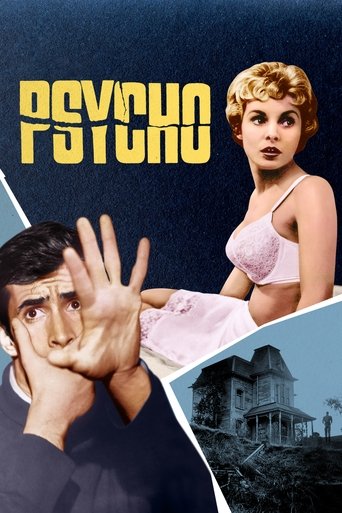
Psycho (1960)
The film immediately before this one shows Hitchcock's horror craft at its sharpest, and makes a useful comparison of how he builds dread.
Explore the era or movement
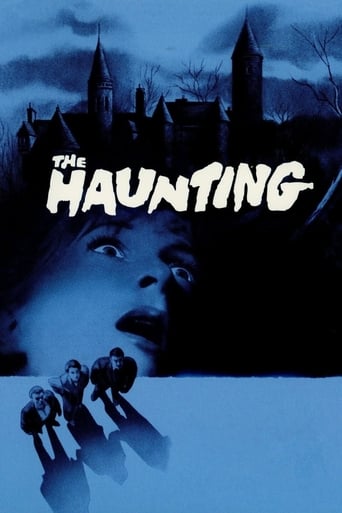
The Haunting (1963)
Released the same year, it builds fear from suggestion and sound rather than visible monsters, another sign of how serious horror was becoming.
See its influence
Night of the Living Dead (1968)
Its group trapped in a boarded-up house, facing a threat nobody can explain, is a direct descendant of The Birds' final act.
Coming soon
Follow the idea
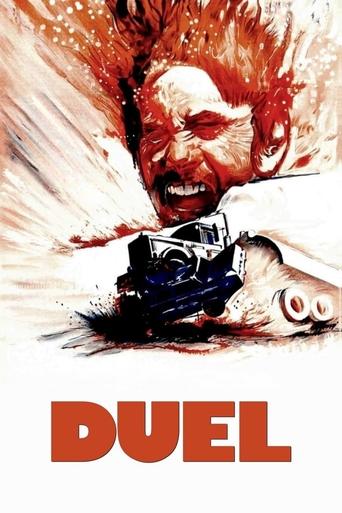
Duel (1971)
Spielberg's early thriller follows an ordinary person pursued by an anonymous, unexplained menace, built from sound, framing and withheld information.
Jump forward
Jaws (1975)
The most famous heir of The Birds, it applies similar ideas about community, delay and unseen menace to a summer seaside setting.
Coming soon