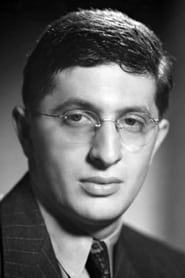
Crime · Drama
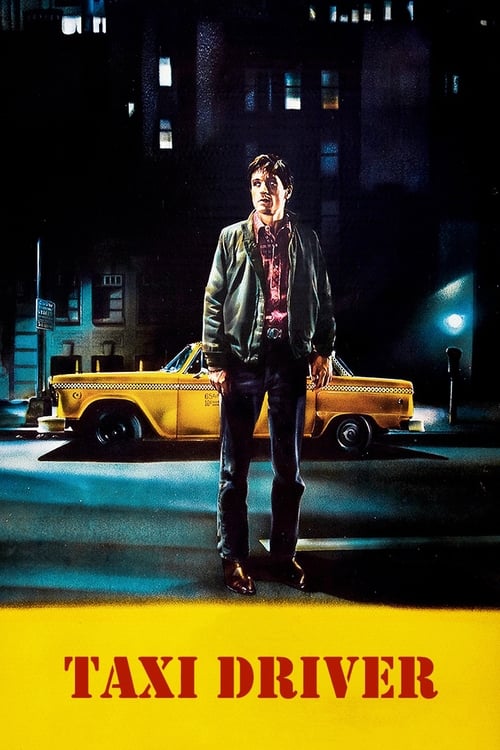
Taxi Driver
American
1976 · Directed by Martin Scorsese · 114 min


Crime · Drama
American
1976 · Directed by Martin Scorsese · 114 min
Meaning, unpacked
Central idea
The film can be read as an anatomy of isolation turning into delusion: a man desperate for purpose and connection builds a self-justifying mission from loneliness, and the film asks how a society can reward or misread such a figure.
What it means
Taxi Driver follows Travis Bickle, a lonely cabbie drifting through New York at night. A woman he admires rejects him, he decides to cleanse the city, and he ends in a bloodbath that the newspapers call heroic. It is a study of isolation turning into delusion. Travis wants purpose and connection, finds neither, and builds a mission out of his loneliness.
He spends every night among people and can't reach any of them. The dense city doesn't ease his isolation. It sharpens it. In the mirror scene, alone in his room, he rehearses a gunfighter's confidence, actor and audience for his own invented heroism. It's often played as pure menace, but in the film it is a man talking to nobody. The ending refuses to say whether he was heroic or pathological. Society turns violence into a heroic story and shows little interest in the person behind it.
Why it mattered
In 1976 the film won the Palme d'Or at Cannes, with a jury headed by Tennessee Williams, though some in the audience booed. It was also a commercial success. It showed that a mainstream studio release could be morally ambiguous, psychologically intimate and openly disturbing. It belongs to the post-Vietnam, post-Watergate years, and Travis's military past is only hinted at, a sign of damage with no place in civilian life.
It also made Scorsese and De Niro internationally central to American cinema's 1970s auteur era. The film stays close to one troubled mind, using camera, voice-over and sound to share his view while keeping you aware of its distortions. Schrader's flat, self-righteous narration rarely matches what we see, and that gap creates the irony. Chapman's neon-and-steam night photography and Herrmann's score, a sleepy saxophone against threatening brass, make New York feel almost hallucinatory.
Before anyone tells you what to think: what did you make of it?
Log in to rate it and leave commentsIt takes one click with Google or an email link. You come straight back here.
Rate it, keep your notes, and find the next film.
Free, no ads. Your journal, your lists, a Cine Guide that remembers you.
Create your free spaceIts alienated, unreliable loner shaped later films, from Scorsese's own Raging Bull and The King of Comedy to Joker, Drive and Nightcrawler, and Schrader's First Reformed. "You talkin' to me?", which De Niro largely developed on set from a short scripted direction, became one of the most quoted and parodied moments in cinema. In 1981 John Hinckley shot President Reagan. He was obsessed with Jodie Foster and the film, and was found not guilty by reason of insanity. That shows the danger of fixation, not simple cause and effect.
Two myths are worth clearing up. The film doesn't celebrate its vigilante, since Schrader and Scorsese framed Travis as disturbed and self-deluded. And it didn't win Best Picture: it had four Oscar nominations and no wins. Once debated mostly for its shock and violence, it is now seen as a core American classic, valued for its psychological precision, its portrait of alienated masculinity and its ambiguity. Travis wanted to be seen. The film makes you look at how we choose who gets seen, and why.
What happens
Travis shoots Iris's pimp and two other men, is wounded, and survives. The papers hail him a hero, and Betsy even rides in his cab. His plan to kill Palantine is forgotten. The ending shows how easily violence gets praised.
The last image
Travis drops Betsy off without taking a fare, then glances in his rear-view mirror, and the old unease flickers across his face.
Two readings
What it says
The film refuses to settle whether Travis is a hero or a madman. The calm epilogue lets society turn violence into a flattering story, with no interest in the person behind it. His isolation remains, just unseen.
Or follow an idea from this film
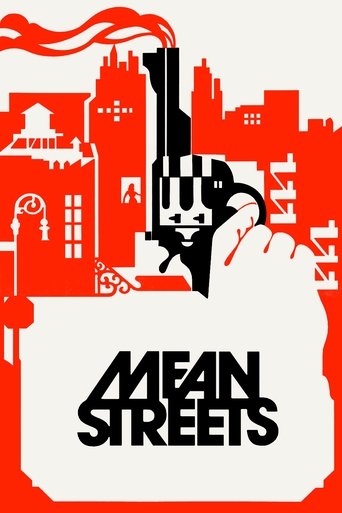

Continue the director
Mean Streets (1973)
Scorsese's breakthrough shows the street-level New York, volatile characters and pop-driven style he sharpened in Taxi Driver, with Keitel and De Niro.
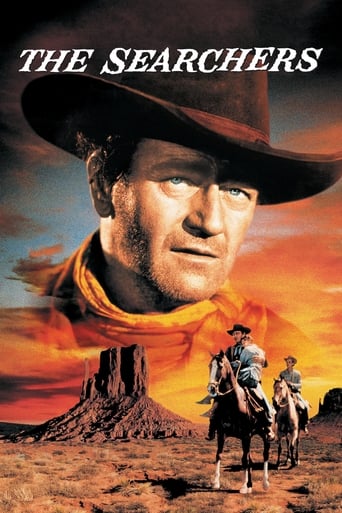
See what influenced it
The Searchers (1956)
Ford's western gives an earlier version of a haunted, obsessive loner whose heroism is troublingly mixed with prejudice and rage.
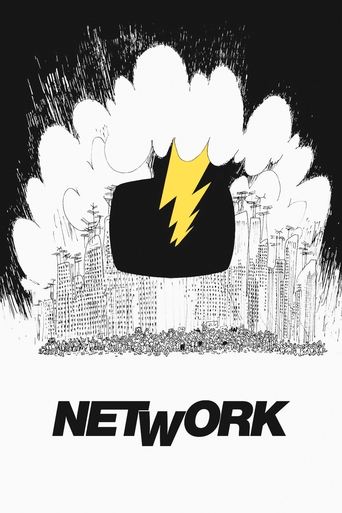
Explore the era or movement
Network (1976)
Released the same year, it captures the same disillusioned, media-saturated America through satire rather than psychological realism.
Continue the director
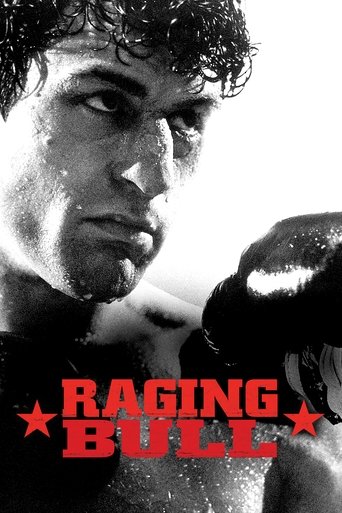
Raging Bull (1980)
Scorsese and De Niro push the study of male self-destruction further, in a stylised black-and-white boxing biography.
See its influence
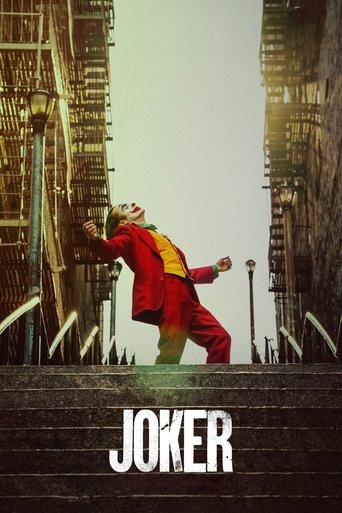
Joker (2019)
A modern descendant that borrows Taxi Driver's premise and mood, useful for judging what later filmmakers kept and what they changed.