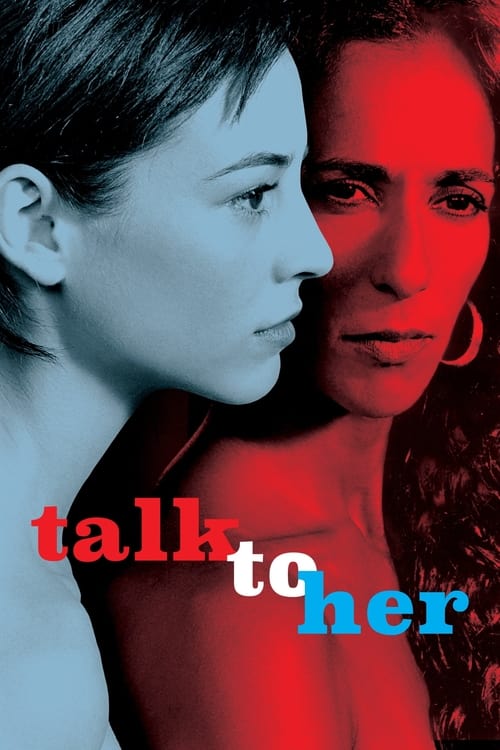
Drama · Romance
Talk to Her
Spanish (Hable con ella)
2002 · Directed by Pedro Almodóvar · 112 min


Drama · Romance
Spanish (Hable con ella)
2002 · Directed by Pedro Almodóvar · 112 min












Meaning, unpacked
Central idea
The film can be read as an exploration of loneliness and the longing to connect with another person, and of how devotion can shade into self-deception when the other person cannot answer.
What it means
The title is an instruction, yet the film keeps running into everything words cannot reach. Two lonely men, Marco and Benigno, meet beside women who cannot respond. Benigno, a caregiver, violates a woman in a coma. That is all the plot you need to follow what the film is really asking.
At its heart, the film is about loneliness and the longing to connect. It asks how devotion can slide into self-deception when the other person cannot answer: Benigno talks to a woman who cannot reply, and fills her silence with whatever he needs to hear. How far can love, or what feels like love, justify acting for someone who cannot speak? The film leaves that question open. Its other threads are a real but limited friendship between two men, and a gentle pushing against the machismo of bullfighting, since here men weep, cook and nurse.
Why it mattered
Coming after All About My Mother, which won the Oscar for Best Foreign Language Film, this film shows Almodóvar using his success to take a risk. It is stranger and more formally daring, and it centres on two men. It carries his colourful melodrama into a more reflective, layered register.
What was fresh was how it builds other art forms into the story itself. It opens with Pina Bausch's Café Müller, where people move blindly while others clear obstacles from their path. It contains a staged silent film, The Shrinking Lover, comic and fantastical, which gives Benigno's version of a love story. And Caetano Veloso sings Cucurrucucú Paloma live and uninterrupted, trusting one performance to carry the scene while grief shows on Marco's face. Time shifts, chapters and title cards let the film withhold information without tricks.
Before anyone tells you what to think: what did you make of it?
Log in to rate it and leave commentsIt takes one click with Google or an email link. You come straight back here.
Rate it, keep your notes, and find the next film.
Free, no ads. Your journal, your lists, a Cine Guide that remembers you.
Create your free spaceThe film showed that a melodrama could embed dance, song and silent film in its structure. It also helped set up Almodóvar's later, more reflective work, including The Skin I Live In and Pain and Glory, which are good places to go next. For many viewers it was a first encounter with Pina Bausch, and for others an introduction to Veloso's version of the song.
Critics largely praised it as one of his finest achievements, and it was a substantial international arthouse success. Almodóvar won Best Original Screenplay and was nominated for Best Director. Its plot is often cited in debates about consent, disability and how art depicts sexual violence, and those debates sharpened after MeToo. Some now read it more critically. Still, it remains admired for its craft and emotional daring.
What happens
Benigno, jailed after Alicia's pregnancy comes to light, takes his own life. Alicia has woken from her coma. Months later Marco sees her at a dance performance, and the two speak.
The last image
Marco and Alicia sit side by side after the performance, two people who have lost much, about to begin talking.
Two readings
What it says
The film began with two men beside silent women and ends with two people who can finally answer each other. It closes where it opened, in a theatre, and offers hope without absolving anyone.
Or follow an idea from this film
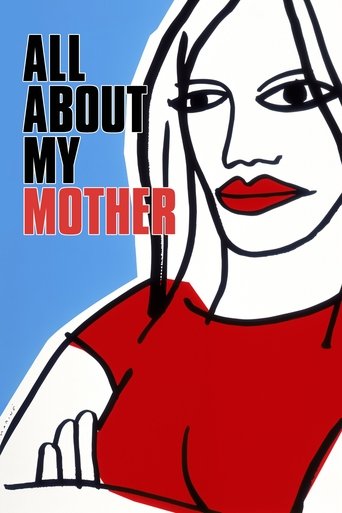

Continue the director
All About My Mother (1999)
Almodóvar's previous film, also about grief, chosen family and performance, shows the warmth and craft that Talk to Her builds on.
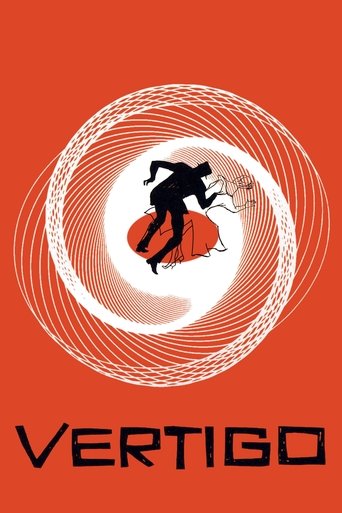
Compare another approach
Vertigo (1958)
Another film about obsessive devotion to a woman who cannot fully answer, though told as a Hitchcock thriller rather than a tender melodrama.
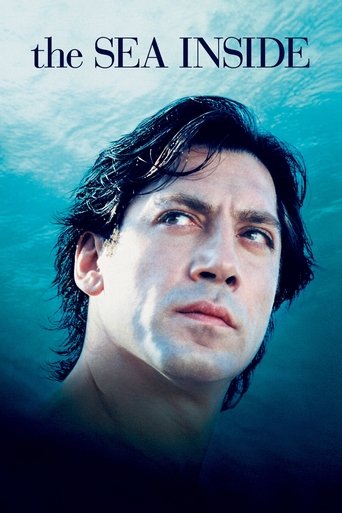
Follow the idea
The Sea Inside (2004)
A Spanish drama about bodily autonomy, care and the limits of love, which asks related questions about who may decide for another person.
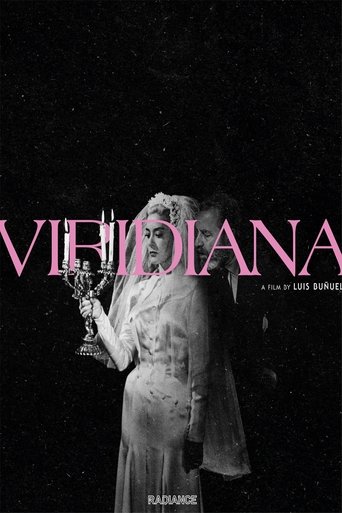
See what influenced it
Viridiana (1961)
Buñuel's Spanish classic combines tenderness, desire and moral discomfort in a way that clearly informs Almodóvar's sensibility.

Follow the idea
Amour (2012)
A later study of caring for a loved one who cannot respond, told with stark realism instead of Almodóvar's colour and theatricality.