Comedy · Thriller
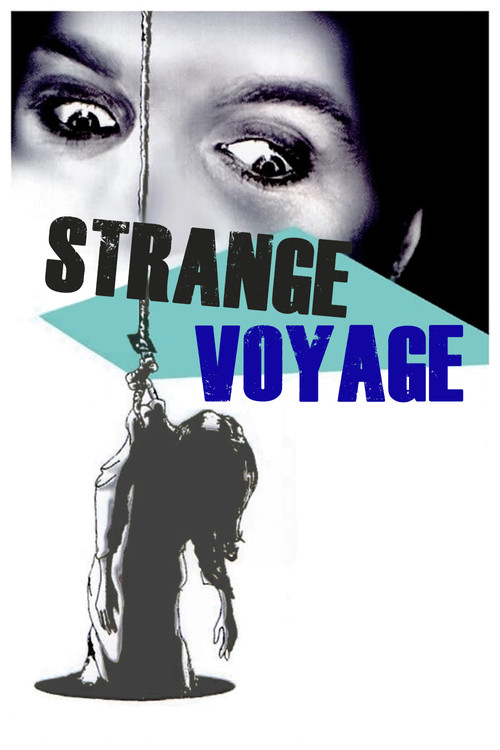
Strange Voyage
Spanish (El extraño viaje)
1964 · Directed by Fernando Fernán Gómez · 89 min


Comedy · Thriller
Spanish (El extraño viaje)
1964 · Directed by Fernando Fernán Gómez · 89 min

Meaning, unpacked
Central idea
The film can be read as a study of how repression, habit and fear of what neighbours think can shrink people into permanent children, and how a closed household can become a trap with consequences nobody planned.
What it means
You have just spent time in a house where nobody is quite allowed to grow up. A strong-willed elder sister rules her grown siblings through rules, guilt and routine. The film's central idea is that repression, habit and fear of what the neighbours think can shrink adults into permanent children. Nobody has to build the bars, because everyone has learned to live inside them.
The town adds its own pressure. Gossip, reputation and keeping up appearances work like a social police force. Many Spanish viewers read the film as a bleak picture of provincial life under Franco, with its repression, greed and narrow horizons. The ending is bleak and ironic, and it shows the laughs were never an escape from the horror. They are what let it happen. The house was kept going by habit, by small rules, and by everyone agreeing not to look too closely.
Why it mattered
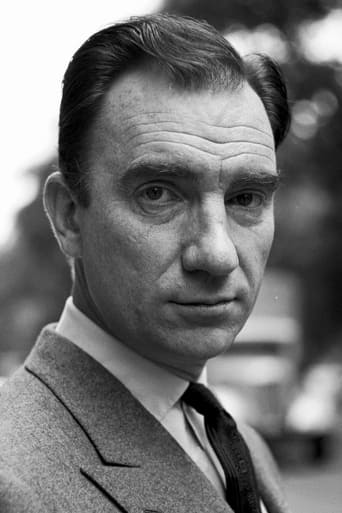
Fernando Fernán Gómez, one of Spain's most popular and respected actors, directed this with a literate, sceptical eye. He refuses to tell you how to feel. The comic business is played straight, so the unease arrives unannounced and lingers. Black-and-white photography turns an ordinary house into a closed, shadowed space, with doors, stairs and narrow rooms framing the characters like a cage.
The style is not borrowed from horror films. It comes from esperpento, a Spanish tradition in literature and theatre that uses distortion to reveal social truth. That made the film an early, bold fusion of rural satire and horror, outside the official mainstream of 1960s Spanish cinema. It did not matter to most people at the time, though. In 1964 it was poorly distributed, had a short run, and was little seen.
Before anyone tells you what to think: what did you make of it?
Log in to rate it and leave commentsIt takes one click with Google or an email link. You come straight back here.
Rate it, keep your notes, and find the next film.
Free, no ads. Your journal, your lists, a Cine Guide that remembers you.
Create your free spaceIts reputation came later, through festivals, television, retrospectives and critics looking again. Today it is regarded as one of the most original and daring Spanish films of its decade, and a key work in Fernán Gómez's career as a director. It also belongs to the wider recognition of his place in Spanish culture, as actor, novelist and playwright.
Its mix of provincial satire, domestic cruelty and horror anticipates later Spanish black comedy and genre cinema. If you want to go further, look at Pedro Almodóvar and Álex de la Iglesia, who also combine humour with darkness. Then try more of Fernán Gómez himself.
What happens
After Ignacia is killed, the siblings keep up the story of her trip while the town grows suspicious. Their clumsy cover-ups show they have gained no real freedom. The house's habits outlast her, and they remain prisoners of the same small world.
The last image
The siblings are left in the same closed, shadowed house, still living by routines that Ignacia's absence has not broken.
What it says
Ignacia's death does not free anyone, because the bars were never really hers. Habit, fear and the neighbours' eyes keep the siblings in place, and the earlier comedy turns out to have been what made the horror livable.
Or follow an idea from this film

Explore the era or movement
The Executioner (1963)
Berlanga's black comedy from the year before is the closest Spanish companion piece: ordinary people drawn into something grim, played with deadpan humour under Franco.
See what influenced it
Viridiana (1961)
Buñuel's film shares an ironic, savage view of repression and hypocrisy in Spanish life, from a more surreal and openly provocative angle.

Follow the idea
Aunt Tula (1964)
Released the same year, it also examines a household governed by a domineering woman, but as sober drama rather than dark comedy.
Compare another approach
Psycho (1960)
Hitchcock also mixes black humour with dread inside a cramped, controlled household. Comparing the two shows very different cultural uses of the same ingredients.
Jump forward
The Spirit of the Beehive (1973)
Fernán Gómez appears in Erice's quietly eerie portrait of Spanish life under Franco, a far more poetic route to the same themes of silence and repression.