Science Fiction · Drama
Stalker
Soviet (Сталкер)
1979 · Directed by Andrei Tarkovsky · 162 min


Science Fiction · Drama
Soviet (Сталкер)
1979 · Directed by Andrei Tarkovsky · 162 min









Meaning, unpacked
Central idea
The film explores faith in a world that has lost it: what people really want when they are offered everything, and whether belief or doubt is the braver position. The Zone can be read as a test of the self.
What it means
A guide leads two men into a forbidden Zone, toward a Room said to grant a deep wish. They reach the threshold, and they do not go in. That refusal is the heart of Stalker. The film asks what people want when they are offered everything, and whether belief or doubt is the braver position. The Zone can be read as a test of the self.
The three men divide. The Stalker believes without proof. The Professor demands evidence. The Writer doubts himself. The Room grants a deep wish, not a stated one, so the question becomes whether anyone can know what they truly want, or bear to know it. The world outside, all industrial decay, suggests a society that has lost its purpose. One reading is that the film places spiritual strength in humility, not certainty.
Why it mattered
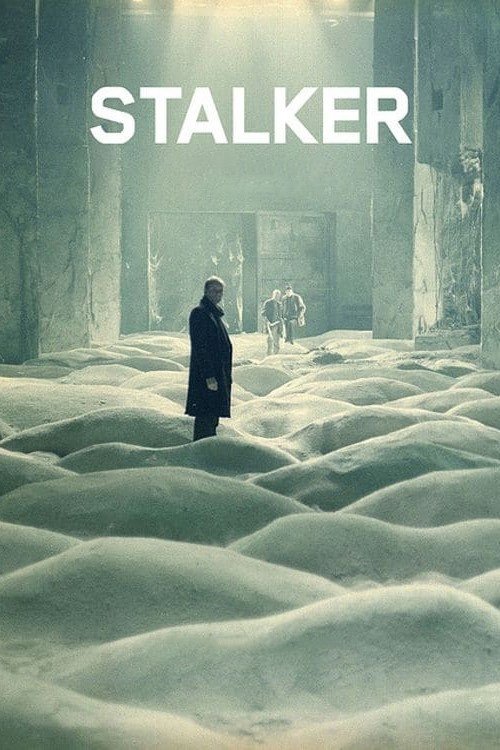
Tarkovsky builds the film from slow tracking shots, pans and very long takes. The camera drifts over water and objects until they seem to have a presence beyond the plot. The trolley ride into the Zone carries you from sepia into colour, and that flips the usual expectation: the ordinary world is drab, and the Zone looks more alive. It is a visual statement about where meaning lives.
The science fiction lives in texture, not props. Ruins, flooded corridors and overgrown debris feel real, not futuristic, and Eduard Artemyev's electronic score melts into trains, dripping water and wind. The film promises spectacle and withholds it. It shows how much of a genre can be done with atmosphere and suggestion alone.
Before anyone tells you what to think: what did you make of it?
Log in to rate it and leave commentsIt takes one click with Google or an email link. You come straight back here.
Rate it, keep your notes, and find the next film.
Free, no ads. Your journal, your lists, a Cine Guide that remembers you.
Create your free spaceIn the Soviet Union the film was shown to limited audiences and met official indifference. Abroad, critics admired its ambition, while its pace and ambiguity divided viewers. At Cannes in 1980 it won the Prize of the Ecumenical Jury, as a special mention, and was nominated for the Palme d'Or.
Its reputation has only grown. It is now widely seen as one of the major works of Tarkovsky and of philosophical science fiction. After Chernobyl, people who entered the exclusion zone illegally were called stalkers, and the word spread to urban explorers. The Zone shaped the S.T.A.L.K.E.R. video games and Alex Garland's Annihilation. Its patience fed slow cinema, and directors such as Béla Tarr and Lars von Trier. Geoff Dyer's book Zona is a personal, scene-by-scene account of watching it. It may be a film about faith, but it is also about attention.
What happens
The men reach the Room but none will enter. The Professor dismantles his bomb, and the Stalker, crushed by their lack of belief, goes home to his wife. His daughter, who cannot walk, seems to move glasses with her mind.
The last image
The Stalker's daughter sits at a table and seems to slide glasses across it by will alone, while a train passes and shakes the room.
Three readings
What it says
The film ends on a small, unexplained wonder rather than the promised miracle. It suggests meaning lives in attention and belief, not spectacle, and it leaves you, like the three men, to decide whether to trust what you see.
Or follow an idea from this film

Continue the director
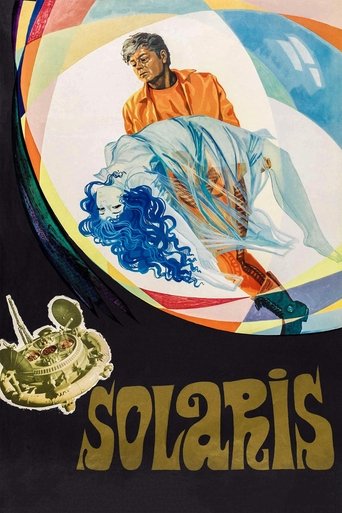
Solaris (1972)
Tarkovsky's other science fiction masterpiece, also about the limits of human understanding, with a quieter, more intimate emotional core.
Continue the director
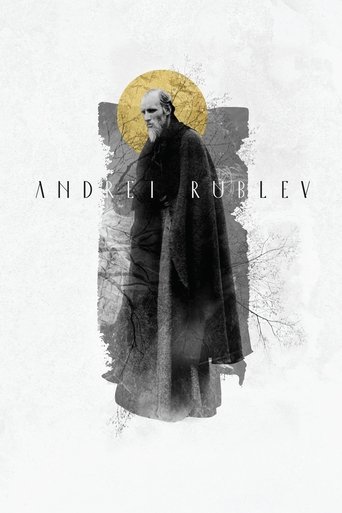
Andrei Rublev (1966)
Tarkovsky's earlier epic about an icon painter shows the origins of his long takes and his concern with faith and creation.
Compare another approach
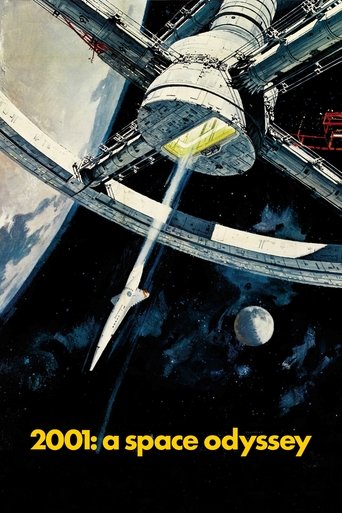
2001: A Space Odyssey (1968)
Another science fiction film that trades plot for mystery and spectacle for contemplation, yet from a Western, more technological perspective.
See its influence
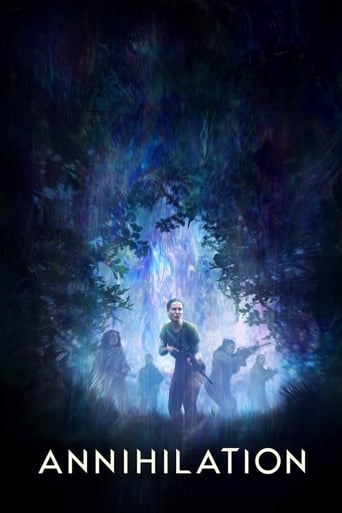
Annihilation (2018)
A modern expedition into a mysterious zone that openly recalls Stalker's structure and its sense of an environment that changes those who enter.
Follow the idea
Werckmeister Harmonies (2000)
Béla Tarr's black-and-white slow cinema, built on very long takes and a bleak vision, shows what Tarkovsky's aesthetic grew into.
Coming soon