Horror · Thriller
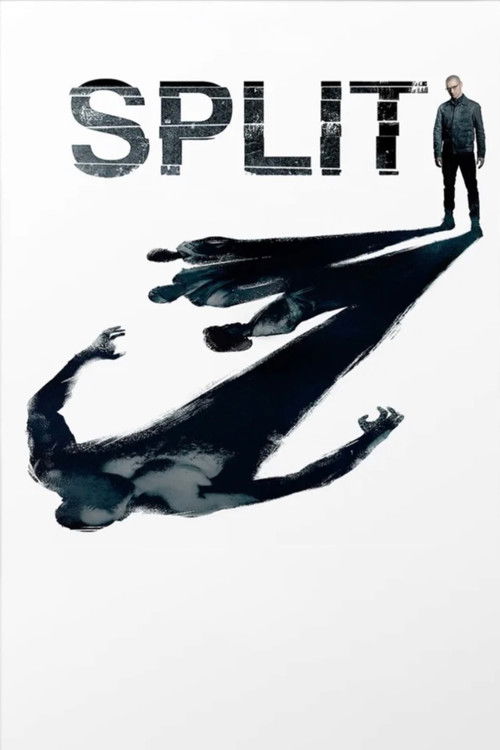
Split
American
2017 · Directed by M. Night Shyamalan · 117 min


Horror · Thriller
American
2017 · Directed by M. Night Shyamalan · 117 min







Meaning, unpacked
Central idea
The film is about what damage does to people and what they make of it. It can be read as asking whether suffering makes someone monstrous, resilient or both, with Kevin and Casey as dark mirrors of each other.
What it means
Three teenage girls are taken by a man with many personalities. One of them, Casey, watches more closely than the rest, and in the end the Beast, Kevin's final personality, lets her live. That ending is the heart of Split. The film is about what damage does to people, and what they make of it.
Kevin and Casey were both hurt as children, and they are dark mirrors of each other. His pain turns outward as violence. Hers turns inward as vigilance. The Beast believes suffering makes a person pure, and that belief decides the climax. The outcome rests on what he sees in Casey, which asks you to feel a flicker of kinship between victim and captor. Underneath runs the wish to be believed: Dr. Fletcher defends her patient against sceptical colleagues, while Casey's account of her past has never been heard. The film never settles whether pain makes us dangerous or strong.
Why it mattered
Split mattered as a lesson in doing a lot with a little. Shyamalan had made expensive studio films that failed with critics and audiences. He then moved to small productions he could control, starting with The Visit. Split kept that approach: tight locations, a small cast and one central performance.
The film also showed how much a performance can carry. James McAvoy gives each personality its own speech rhythm, body language and emotional logic, and the film trusts him rather than effects, cutting less than you might expect during his transitions. Fletcher's sessions even let him change identity while simply sitting in a chair, in plain shot and reverse shot. Meanwhile the tight framing, off-centre faces and big empty areas of the frame keep you uneasy about what might step in.
Before anyone tells you what to think: what did you make of it?
Log in to rate it and leave commentsIt takes one click with Google or an email link. You come straight back here.
Rate it, keep your notes, and find the next film.
Free, no ads. Your journal, your lists, a Cine Guide that remembers you.
Create your free spaceSplit confirmed the commercial value of small-scale, star-driven thrillers. It was a strong commercial success against its modest budget, and it is often described as the film that restored Shyamalan's reputation. Its closing diner scene, where Bruce Willis appears as David Dunn from Unbreakable, sent viewers back to his earlier films and led directly to the sequel Glass.
Reviews were mostly positive, praising McAvoy and Shyamalan's tighter control of tension, though some critics felt the third act drifted into implausibility. Today it is regarded as the best of his later work. Its portrayal of dissociative identity disorder remains the main criticism: clinicians and advocacy groups point out that people with the condition are far more likely to be victims than perpetrators, and the film uses the disorder as a horror device.
What happens
The Beast spares Casey after seeing her scars, deciding her suffering has already made her pure. She is rescued but refuses to leave with her abusive uncle. A diner television then links Kevin's case to Mr. Glass, tying the film to Unbreakable.
The last image
In a diner, a patron watches a news report on Kevin and mentions a similar case from years ago, Mr. Glass, and the man beside her is David Dunn.
What it says
The ending turns on what the Beast sees in Casey, not on a fight. Her pain and Kevin's mirror each other, and the film leaves open whether suffering makes you dangerous or strong. The diner scene looks ahead to a larger story.
Or follow an idea from this film

Continue the director
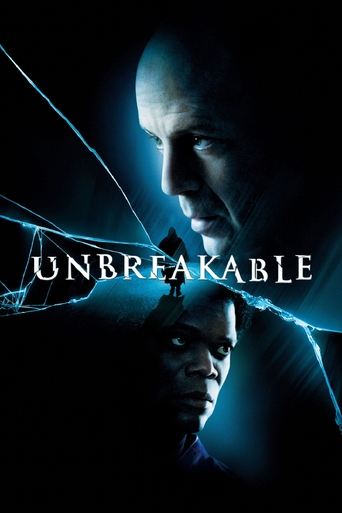
Unbreakable (2000)
Shyamalan's earlier character-first thriller about an unusual body and mind. It is the natural companion for seeing how he builds suspense from slow, grounded storytelling.
See what influenced it
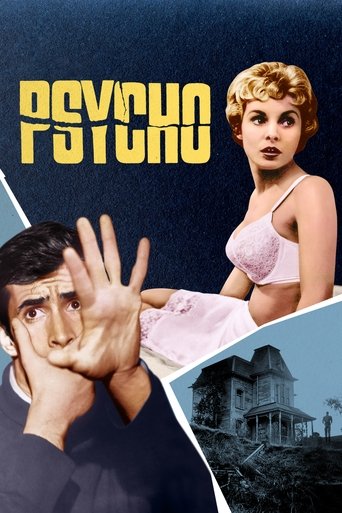
Psycho (1960)
The original film about a charming man whose personality is not what it seems, and the model for suspense built on psychological reveal.
Compare another approach
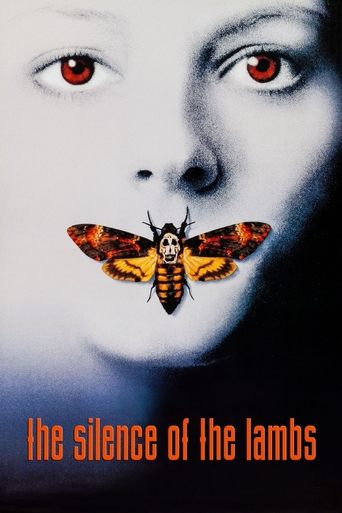
The Silence of the Lambs (1991)
Another thriller about a young woman held in a captor's world, where trauma and intelligence matter more than physical strength.
Follow the idea
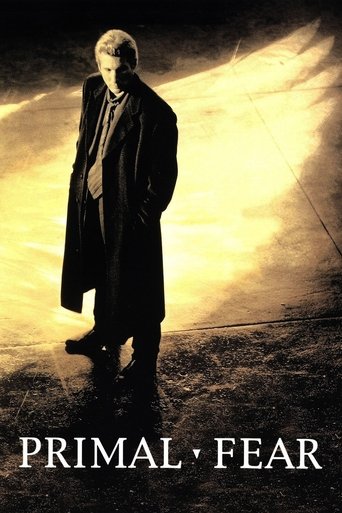
Primal Fear (1996)
Explores multiple personalities in a courtroom thriller, with a star-making performance and an ending that depends on how much the audience trusts what it sees.