Animation · Family · Fantasy
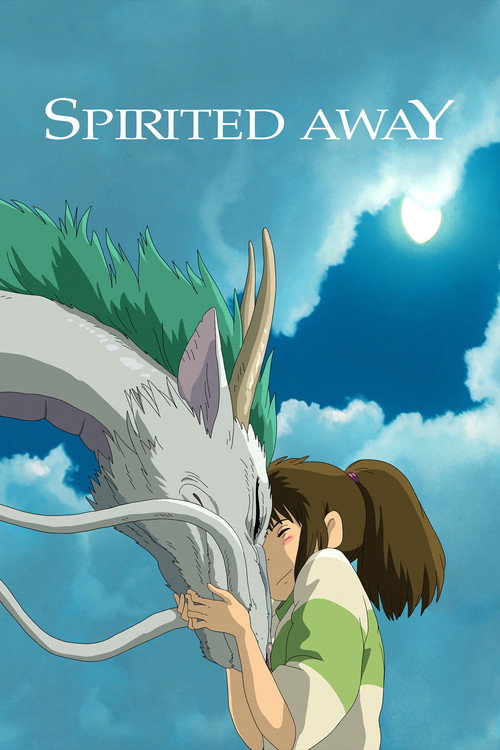
Spirited Away
Japanese (千と千尋の神隠し)
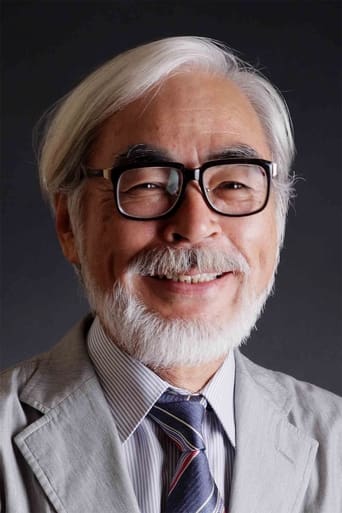
2001 · Directed by Hayao Miyazaki · 125 min


Animation · Family · Fantasy
Japanese (千と千尋の神隠し)
2001 · Directed by Hayao Miyazaki · 125 min
Meaning, unpacked
Central idea
The film can be read as a story about growing up: a child who is passive and fearful is forced into a world of work, obligation and identity, and discovers that she can adapt without losing herself. It also reflects on modern Japan's appetite for consumption and forgetfulness.
What it means
Spirited Away follows Chihiro, a sulky ten-year-old whose parents are turned into pigs after helping themselves to food at an empty stall. Left alone in a world of spirits, she is pushed into work and obligation, and finds she can adapt without losing herself. It is a story about growing up, and it also looks at modern Japan's appetite for consumption and its forgetfulness.
Names carry the idea. Yubaba, the witch who runs the bathhouse, takes Chihiro's name and leaves her with just Sen. Forgetting who you are makes you obedient, so remembering a name becomes a way home. Chihiro recalls a river from her childhood, realises Haku is its spirit, and saying his true name frees him. Appetite runs through everything, and No-Face mirrors it: quiet outside the bathhouse, destructive inside, then calmed and given a place, not destroyed. Even Yubaba is not simply evil, but a tyrant who is also an overbearing employer and mother.
Why it mattered
Spirited Away came at the point when computer animation was taking over, and it stands as a defining film of hand-drawn feature animation. It won the Oscar for Best Animated Feature, a first for a hand-drawn, non-English-language film, and the Golden Bear at Berlin in 2002. In Japan it became the highest-grossing film in the country's history to that point, passing Titanic. It made Studio Ghibli and Japanese animation a permanent part of world cinema.
It also showed how freely a film could be made. Miyazaki draws storyboards while production is under way instead of working from a finished script, so the story was discovered as it was drawn. That suits the dreamlike flow: scenes driven by mood and character, not plot mechanics. There is no big battle at the end. Chihiro grows by doing tasks properly, and her final test is simply to say that none of the pigs are her parents. Silence is part of the craft, too. Joe Hisaishi's music often drops away, leaving wind, water and footsteps, and the quiet train ride across the water gives you time to absorb what has happened.
Before anyone tells you what to think: what did you make of it?
Log in to rate it and leave commentsIt takes one click with Google or an email link. You come straight back here.
Rate it, keep your notes, and find the next film.
Free, no ads. Your journal, your lists, a Cine Guide that remembers you.
Create your free spaceThe film opened Western audiences and awards bodies to animation from outside Hollywood, and encouraged Japanese directors such as Makoto Shinkai and Mamoru Hosoda. Its mix of folklore, child heroes and unexplained fantasy echoes in Pan's Labyrinth. No-Face became a global icon, and Chihiro, Haku and the soot sprites became staples of Ghibli merchandise, helping make Ghibli a global brand. A stage version, adapted by John Caird, opened in Tokyo in 2022, and fans visit Dogo Onsen in Matsuyama and the Ghibli Museum in Mitaka to feel close to it.
Today it is widely treated as Miyazaki's most complete film and one of the finest animated features ever made. Its reputation has grown rather than faded, and it is often the first Japanese animation Western viewers see as serious cinema. If you want to go on, try Princess Mononoke, then The Boy and the Heron. Perhaps its quietest gift is this: Chihiro never becomes a warrior. She simply stays kind, works hard, and remembers who she is.
What happens
Chihiro passes Yubaba's final test by declaring that none of the pigs are her parents, and she is right. The contract dissolves, her parents are human again, and she walks back through the tunnel with no memory left behind.
The last image
Chihiro walks out through the tunnel with her parents, who remember nothing of what happened.
What it says
Chihiro wins by knowing the truth, not by fighting. Remembering who she is, and who her parents are, breaks Yubaba's hold. Her quiet return suggests she has grown, even though nothing around her seems to have changed.
Or follow an idea from this film

Continue the director
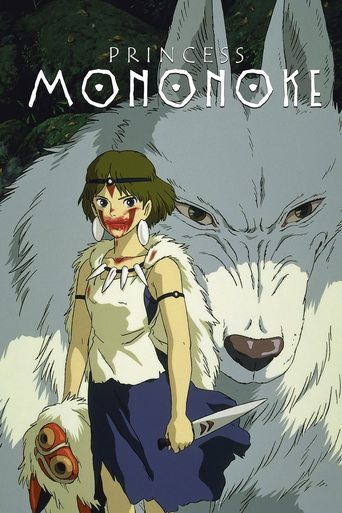
Princess Mononoke (1997)
Miyazaki's preceding film shows the same ecological and moral interests on a darker, larger scale, and makes a good contrast with Spirited Away's smaller world.
Compare another approach
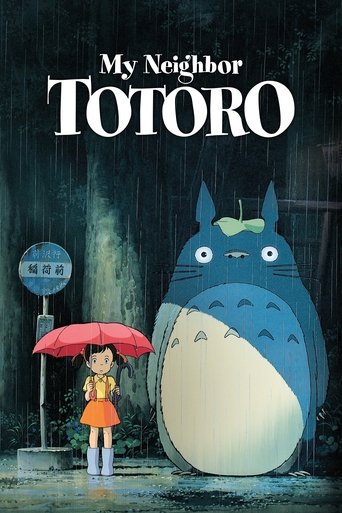
My Neighbor Totoro (1988)
Another Miyazaki child's encounter with spirits, much gentler, which shows how the same director can shift between comfort and unease.
Follow the idea
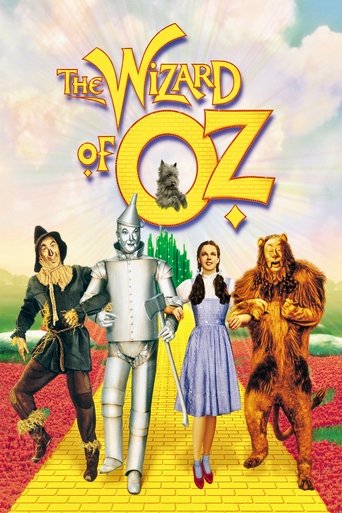
The Wizard of Oz (1939)
A classic of the portal fantasy in which a girl is carried into a strange land and must find her way home, a useful Western counterpart.
See its influence
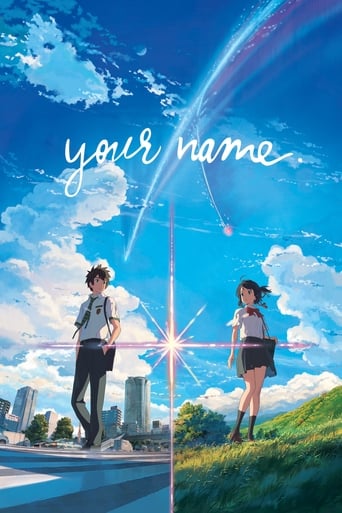
Your Name. (2016)
A later Japanese animated fantasy that reached a huge international audience and shows how Spirited Away's success changed expectations.
Explore the era or movement
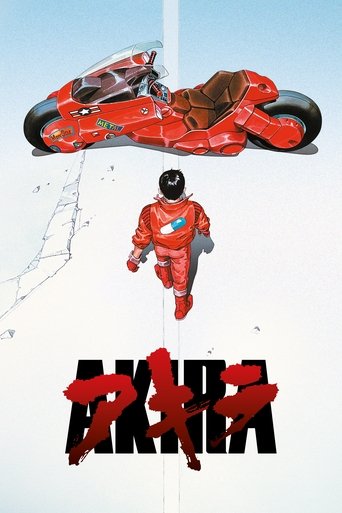
Akira (1988)
A very different landmark of Japanese animation, a science-fiction and violent epic, that shows the range of the medium that Spirited Away later brought to a wider public.