Drama · Thriller · Mystery
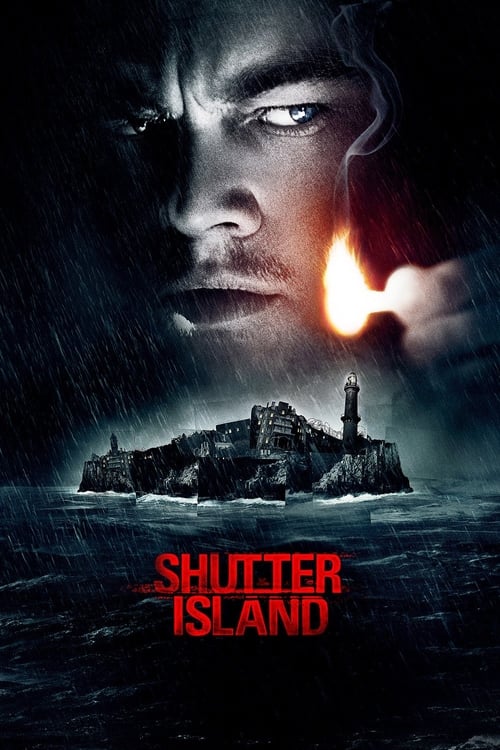
Shutter Island
American
2010 · Directed by Martin Scorsese · 138 min


Drama · Thriller · Mystery
American
2010 · Directed by Martin Scorsese · 138 min
Meaning, unpacked
Central idea
The film can be read as a study of how a mind builds a bearable story around unbearable guilt, and of how institutions, the 1950s and even genre conventions help to build or dismantle that story.
What it means
Teddy Daniels, a marshal hunting a missing patient, turns out to be the patient himself, Andrew Laeddis. The whole investigation was a role-play, staged as a last attempt to avoid a lobotomy. So what does the film do with that?
At its heart, Shutter Island is about how a mind builds a bearable story around unbearable guilt. Teddy's hunt for the truth is really a way of dodging it, an elaborate defence against responsibility. Memories of liberating Dachau and of wartime violence feed his pain, linking one man's private tragedy to a wider postwar damage. The role-play shows storytelling as both cure and cage: a constructed narrative can protect a person, and it can also imprison him. The film also sets a humane talking cure against lobotomy and drugs, and the ending stays open. Teddy's question, whether it is worse to live as a monster or die as a good man, doesn't prove he is sane. The film supports both readings.
Why it mattered
When it arrived in 2010, a major auteur was taking popular genre seriously. Scorsese, known as a great realist, committed fully to storms, cliffs, asylum corridors and noir dread. He gave his team older films as reference points, notably Val Lewton's low-budget horror films and Hitchcock's Vertigo, aiming for suggestion and atmosphere rather than modern shock effects.
The craft is part of the meaning. Thelma Schoonmaker's abrupt cuts between present and memory make continuity itself unsettling. Robert Richardson and designer Dante Ferretti use deliberately artificial backdrops that recall classic studio cinema. With no original score, Scorsese and Robbie Robertson assembled modern classical works by Penderecki, Ligeti, Cage and Mahler, whose dissonance presses on every scene. It showed how image, sound and cutting alone can build unease, and it did so in an era dominated by franchises.
Before anyone tells you what to think: what did you make of it?
Log in to rate it and leave commentsIt takes one click with Google or an email link. You come straight back here.
Rate it, keep your notes, and find the next film.
Free, no ads. Your journal, your lists, a Cine Guide that remembers you.
Create your free spaceIt opened at number one and earned over two hundred million dollars worldwide. Reviews were largely positive, praising the atmosphere, the craft and DiCaprio, though some critics found it overwrought or the final explanation heavy-handed. It strengthened an appetite for psychological thrillers built to reward rewatching, and showed that an auteur could work in genre without losing his personal style.
Its reputation has grown. Once seen by some as a stylish genre exercise, it is now often called a rich, rewatchable film and one of Scorsese's most distinctive late works. It became shorthand for the twist ending, and fans still argue over Teddy's last line. It also renewed the old trope of the sinister asylum, which some commentators criticise for stigmatising mental illness.
What happens
In the lighthouse, Dr. Cawley reveals that Teddy is really Andrew Laeddis, a patient. The investigation was a role-play to avoid a lobotomy. Teddy seems to accept it, then walks willingly toward the orderlies.
The last line
"Which would be worse, to live as a monster, or to die as a good man?"
Two readings
What it says
The film is about how a mind builds a bearable story around unbearable guilt. Ending on this question, rather than a verdict on Teddy's sanity, leaves you facing the choice too: a hard truth or a comforting lie.
Or follow an idea from this film
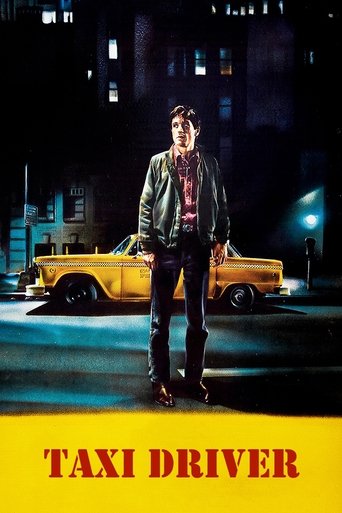

Continue the director
Taxi Driver (1976)
Scorsese's earlier study of a damaged veteran whose view of the world distorts events. A useful comparison with Teddy and the director's career-long interest in fractured minds.
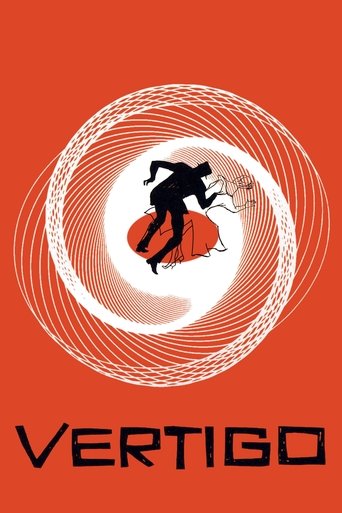
See what influenced it
Vertigo (1958)
Hitchcock's masterpiece of obsession and disorientation, whose camera and mood are a direct touchstone for Scorsese's thriller.
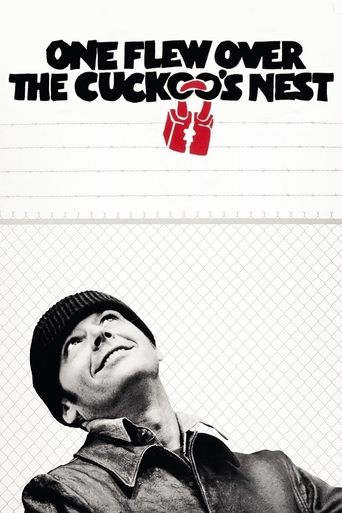
Follow the idea
One Flew Over the Cuckoo's Nest (1975)
Another film set in a psychiatric hospital, questioning institutional power and the treatments used on patients.
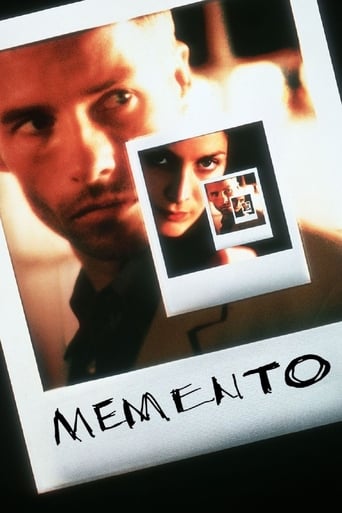
Compare another approach
Memento (2000)
A puzzle-like film about memory and self-deception, useful to compare how structure and clues are used to shape a mystery.

See what influenced it
Cat People (1942)
Lewton's atmospheric, suggestive horror shows the older tradition of shadow and implication that Scorsese borrows.