Crime · Mystery · Thriller
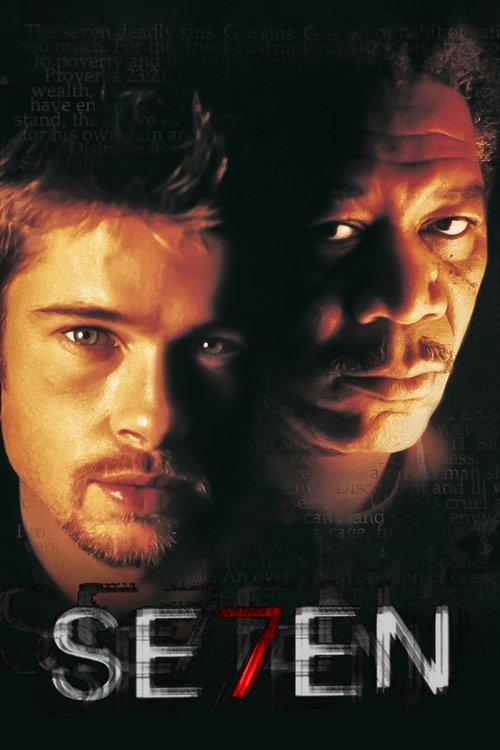
Se7en
American
1995 · Directed by David Fincher · 127 min


Crime · Mystery · Thriller
American
1995 · Directed by David Fincher · 127 min
Meaning, unpacked
Central idea
The film can be read as a confrontation between two responses to a corrupt world: Somerset's tired but principled detachment and Mills's engaged, emotional belief that he can fight it. The killer's plan tests both.
What it means
Se7en follows two detectives chasing a killer who builds his murders around the seven deadly sins. At heart it sets two ways of living in a corrupt world against each other. Somerset is tired but principled, and wants to leave the city because he has grown weary of it. Mills wants to prove himself there, and believes he can fight back. The killer's plan tests them both, and the film asks a hard question: is withdrawal or involvement the more honest response to evil?
There is more underneath. The sins give the killer a moral framework, but the film shows how a rigid scheme can become a sin of its own, self-righteous and blind to its own pride. Somerset's reading and research run against Mills's instinct and speed. The nameless, rain-soaked city says that crime here is an environment, with indifference in the air. Against it, Tracy and Mills's home life looks precious, and you are left wondering whether private happiness is a refuge or a weakness.
Why it mattered
In 1995 this was a bleak thriller that rose well above expectations to become a major commercial success. Many critics praised its style and performances, though some found the violence and outlook hard to take. It fused film noir mood with the serial-killer procedural, and it reshaped how Hollywood made dark crime stories for years afterwards. It earned one Academy Award nomination, for Best Film Editing.
It also showed how much dread can come from craft. Darius Khondji shot in low light, with dirty greens and ambers, and a print process that keeps silver in the image added contrast and grain. Rain, sirens and distant arguments press in constantly while the score stays sparing, and the detectives often work by torchlight, so you see only what they see. Then comes the desert, a deliberate break into bright, empty land that tests every idea the film has built. Studio executives were uneasy about that ending and pushed for a softer one. Fincher and Pitt held firm to Walker's original.
Before anyone tells you what to think: what did you make of it?
Log in to rate it and leave commentsIt takes one click with Google or an email link. You come straight back here.
Rate it, keep your notes, and find the next film.
Free, no ads. Your journal, your lists, a Cine Guide that remembers you.
Create your free spaceIts influence is huge. Rainy, desaturated thrillers, elaborate title sequences and serial killers with a lesson to teach all owe it something. Kyle Cooper's scratched, handwritten titles helped make title design a celebrated craft and set off many imitations. The film also shaped Fincher's later work, including Zodiac and Gone Girl, and it set the look and tone of a generation of dark crime films and television. It is often taught as a studio film that defied convention by ending on despair.
Today it is regarded as one of the key thrillers of the 1990s and a central film in Fincher's career. "What's in the box?" is still widely quoted and parodied. The film still lingers because it refuses to rescue you. It leaves you in the open desert with the question of what you would do next.
What happens
In the desert, Doe reveals he envied Mills's life and has killed Tracy; the box holds her head. Mills shoots him in rage, completing Doe's pattern: Doe is envy, Mills wrath.
The last line
Ernest Hemingway once wrote, 'The world is a fine place and worth fighting for.' I agree with the second part.
What it says
Doe wins by making Mills a sin, yet Somerset's choice to stay answers him. The film refuses a rescue but does not give up on the world: the ending asks whether you retreat from evil or stay and fight.
Or follow an idea from this film

Continue the director
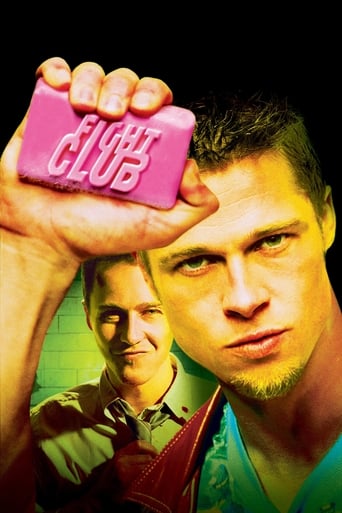
Fight Club (1999)
Fincher's next major film, equally dark and controlled, which turns the same stylistic precision toward satire and psychology.
Compare another approach
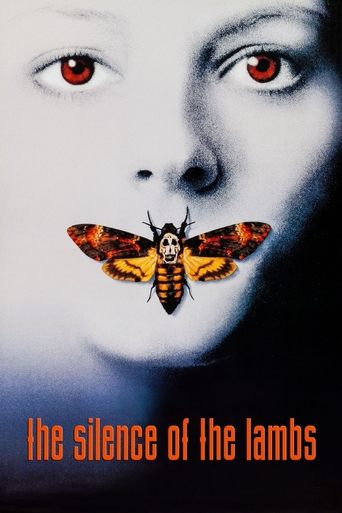
The Silence of the Lambs (1991)
The serial-killer thriller that opened the door for Se7en. Compare how each film handles its investigator and its sense of menace.
See what influenced it
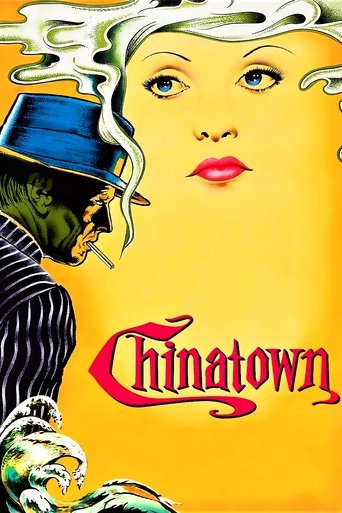
Chinatown (1974)
A landmark of the 1970s detective film whose bleak view of a corrupt world is a clear ancestor of Se7en's outlook.
Follow the idea
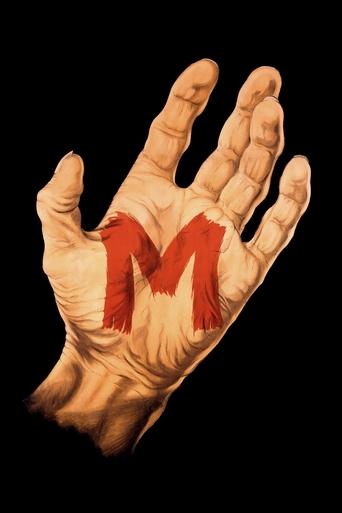
M (1931)
An early film about the hunt for a serial killer, which treats the pursuit as a moral problem rather than only a puzzle.
See its influence
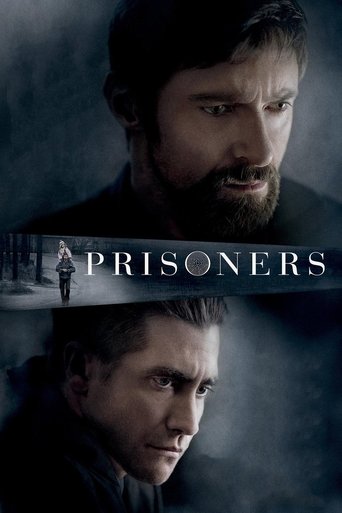
Prisoners (2013)
A later thriller that borrows Se7en's weather, patience and bleak moral questions.