Crime · Horror · Mystery
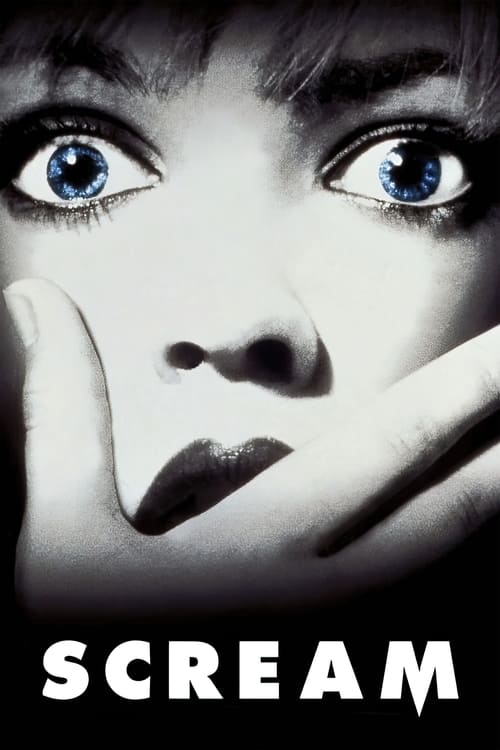
Scream
American
1996 · Directed by Wes Craven · 112 min


Crime · Horror · Mystery
American
1996 · Directed by Wes Craven · 112 min











Meaning, unpacked
Central idea
The film explores how a lifetime of watching horror has shaped how people think, behave and even kill. It can be read as a comment on a media-saturated generation that has trouble telling movie violence from the real thing.
What it means
Scream asks a sly question: what happens to people who grow up on horror films? Its answer is that the genre shapes how they think, how they behave, and even how they kill. You can read it as a comment on a media-saturated generation that struggles to tell movie violence from the real thing.
The opening phone call shows the method. Casey Becker is home alone when a stranger rings for a friendly chat about scary movies, and it turns into a deadly quiz. Randy later lays out the rules for surviving a horror film, and the story plays them out around him, which makes you complicit. Underneath the games is a wound: Sidney is still grieving her mother's murder, and almost everyone close to her becomes a suspect. Gale Weathers, meanwhile, turns tragedy into a story for profit, mirroring the film's own appetite for spectacle.
Why it mattered
Scream did not invent the self-aware horror film. Earlier films had played with the genre's conventions, including Craven's own New Nightmare. What Scream did was make the approach popular and commercial. Kevin Williamson's script is a genuine whodunit with red herrings and dialogue that analyses horror conventions, and Wes Craven moves between humour and fear so precisely that you never know which mode is coming next.
It also gave the genre a fresh look: widescreen frames in ordinary suburban rooms, with empty space where a figure might appear. Released in December 1996, it opened quietly, then built through word of mouth into a very large hit, especially with teenagers. Critics welcomed it as a witty, scary revival of the slasher, though some questioned its violence.
Before anyone tells you what to think: what did you make of it?
Log in to rate it and leave commentsIt takes one click with Google or an email link. You come straight back here.
Rate it, keep your notes, and find the next film.
Free, no ads. Your journal, your lists, a Cine Guide that remembers you.
Create your free spaceScream started a late-1990s wave of teen slashers and led to sequels and parodies, including the Scary Movie series. Ghostface became one of horror's most recognisable images, and Randy's rules turned genre clichés into shorthand that people still joke about. Its winking, genre-literate mode lives on in films like The Cabin in the Woods.
Today it is seen as the key horror film of the 1990s and a classic of the genre, and its reputation has only grown. Its irony, once fresh, is now standard. That is the film's odd fate: it taught horror to talk about itself, and the genre has not stopped talking since.
What happens
Billy and Stu are revealed as the killers. Billy blames Sidney's mother for his parents' broken marriage, and they planned to frame her father. Sidney, Gale and Dewey kill both, and Randy and Dewey survive.
The last image
Sidney, finally safe, is left standing amid the wreckage of the house, free of the killers who hid behind her closest friendships.
What it says
The ending turns the genre's rules against the killers. Sidney survives by taking control of them, and the killers' motives are spoken aloud, then undercut with banter. Real grief and real danger sit beneath the film's jokes, and she is the one who outlasts both.
Or follow an idea from this film
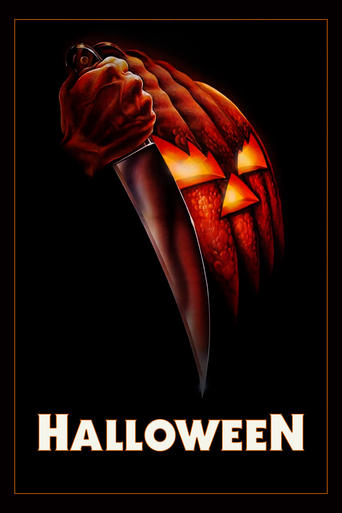

See what influenced it
Halloween (1978)
The model for the masked stalker in a suburb. Seeing it first shows how much Scream borrows and what it changes.
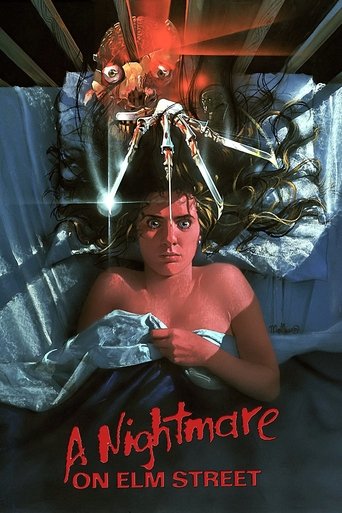
Continue the director
A Nightmare on Elm Street (1984)
Craven's earlier teen horror film, more surreal and less ironic, shows his instincts before the self-aware turn.
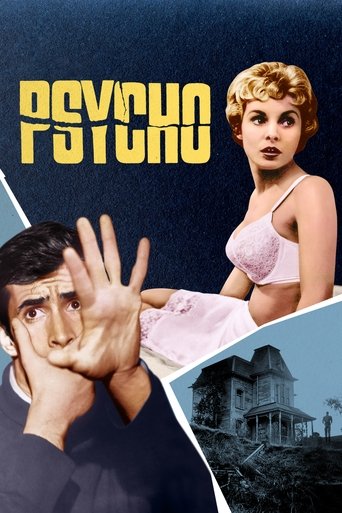
Compare another approach
Psycho (1960)
Another thriller that plays directly with audience expectation, in a more severe register, and a useful comparison for how that game works.
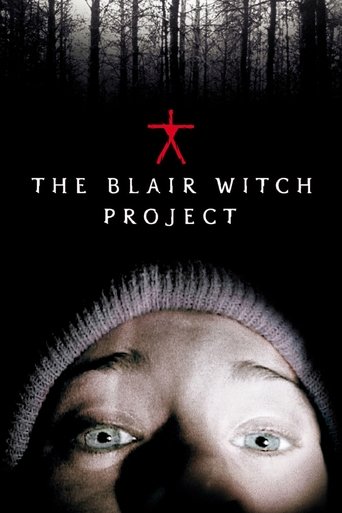
Explore the era or movement
The Blair Witch Project (1999)
Another late-1990s horror hit that reinvented the genre with a very different, low-budget approach.
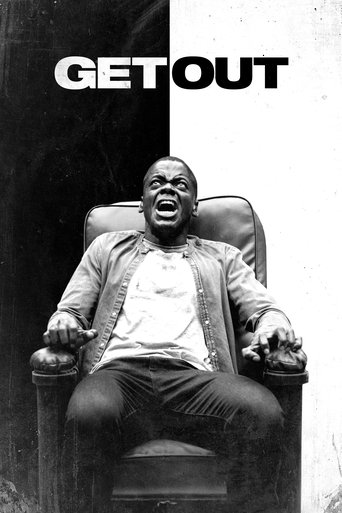
Jump forward
Get Out (2017)
A modern horror film that blends genre awareness, social comment and sharp suspense in the tradition Scream helped open.