Action · Crime · Drama
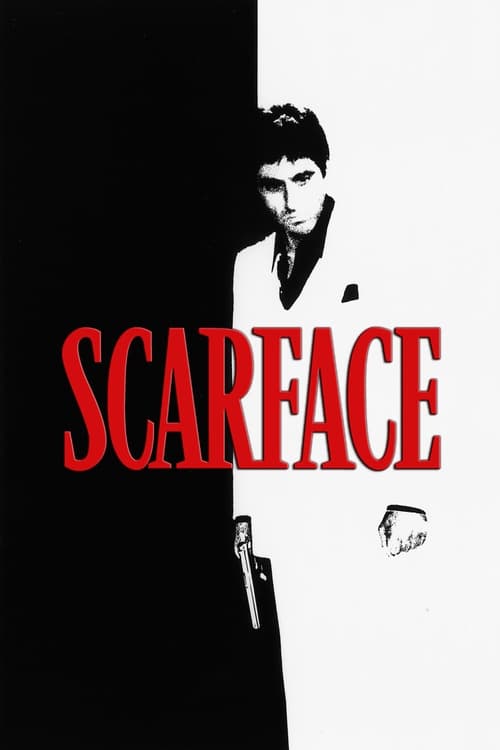
Scarface
American
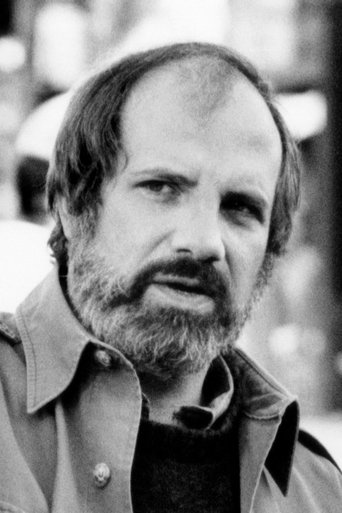
1983 · Directed by Brian De Palma · 170 min


Action · Crime · Drama
American
1983 · Directed by Brian De Palma · 170 min








Meaning, unpacked
Central idea
The film can be read as a dark parody of the American dream: Tony wants the world on its terms, and the film asks what a life built purely on appetite and status leaves behind.
What it means
Scarface is easy to remember as a poster: the loud clothes, the mountain of cocaine, the gun. But the film you just watched is darker, and stranger, than that image. It works as a dark parody of the American dream. Tony arrives from Cuba with an immigrant's hunger, but no values beyond money, power and display. The film asks what a life built purely on appetite and status leaves behind.
The answer is paranoia, isolation and ruin. The rooms get bigger, the clothes get louder, the cocaine keeps coming, and satisfaction never arrives. Pride is the other engine: his need for respect drives his worst decisions, while friendship, marriage and family buckle under ambition. At the restaurant dinner, rich at last, he lashes out at everyone, and the emptiness of his success is laid bare. Around him the police, bankers and politicians are compromised too. And remember that blimp: the world is yours, it says. The real question is what happens when you take it.
Why it mattered
Scarface took the old Hollywood gangster story and reworked it for the cocaine era. It began as a remake of the 1932 film, inspired by Chicago gangsters. Oliver Stone's script moved it to Miami, where the Mariel boatlift and the cocaine trade gave it a contemporary frame. Where Coppola's crime saga is hushed and dynastic, this one is brash, operatic and excessive.
It did this with style. De Palma builds suspense with patient, Hitchcockian setups, then releases violence abruptly and with theatrical flair. Pacino goes deliberately big, and the script favours archetypes over subtlety. The film makes excess seductive and hollow at once, with pastel, glass and neon Miami, and interiors that grow more oversized as Tony's wealth does. It was not an easy road: the ratings board first gave it an X for violence, and it reached cinemas as an R after cuts and appeals.
Before anyone tells you what to think: what did you make of it?
Log in to rate it and leave commentsIt takes one click with Google or an email link. You come straight back here.
Rate it, keep your notes, and find the next film.
Free, no ads. Your journal, your lists, a Cine Guide that remembers you.
Create your free spaceReviews at release were mixed, sometimes hostile, with many critics objecting to the violence, profanity and length. Others praised Pacino's commitment and De Palma's flamboyance. Audiences were warmer than the press, and it did solid business, but it was no blockbuster. Its huge status came later, through home video and television.
Today its stature has risen sharply. Critics who once dismissed its excess often read it as satire and operatic tragedy. Lines like "Say hello to my little friend" and "The world is yours" became everyday shorthand, and Tony's face is on posters and T-shirts. He became a touchstone in hip-hop, standing for self-made power, and the film shaped crime fiction and gaming. Later films like GoodFellas and The Wolf of Wall Street also mix seduction with critique. Yet the popularity often overlooks the film's critical edge, since the story ends in ruin. Some Cuban-American viewers objected to immigrants being reduced to a criminal stereotype, and that debate continues.
What happens
Sosa's men storm Tony's mansion. High and defiant, Tony fights them off for a while, but he is shot from behind and falls into the fountain below the sign promising that the world is his.
The last image
Tony lies face down in the fountain, beneath the sign that reads "The World Is Yours."
What it says
The ending shows where appetite leads. Tony wanted the world on his own terms, and it gives him a violent, excessive death, as he lived. The film makes the promise on the sign sound hollow.
Or follow an idea from this film

See what influenced it
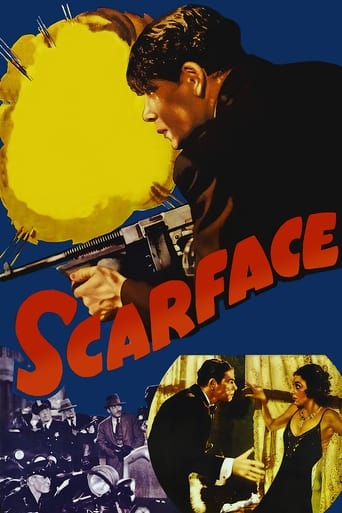
Scarface (1932)
Hawks's original shows what the remake borrowed and changed, and how censorship and period shaped the 1930s gangster film.
Compare another approach
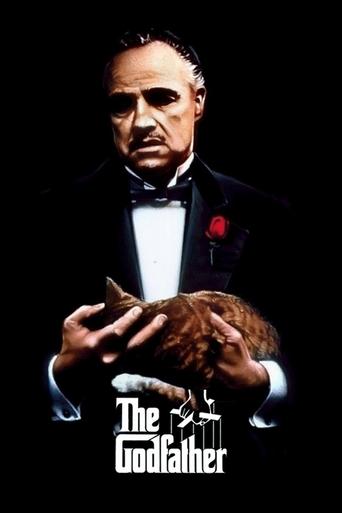
The Godfather (1972)
A quieter, more patrician view of crime as family business. Comparing the two shows two opposite ways to portray criminal power.

Continue the director
Blow Out (1981)
De Palma's earlier thriller shows the Hitchcockian control and technical flourish that he brought to Scarface.

Jump forward
GoodFellas (1990)
Scorsese gives the gangster story a faster, more detailed, more ironic treatment, and shows how Scarface's glamorous excess evolved.
Follow the idea
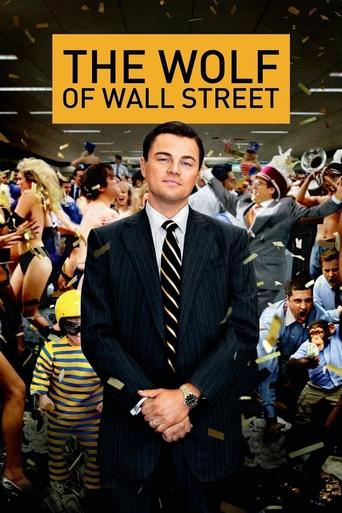
The Wolf of Wall Street (2013)
It revisits the theme of a charismatic outsider whose appetite for money and status is both thrilling and destructive.