Horror · Drama
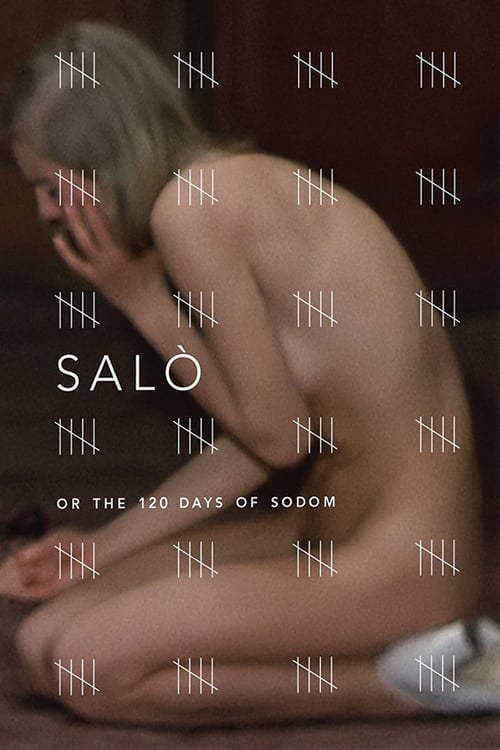
Salò, or the 120 Days of Sodom
Italian (Salò o le 120 giornate di Sodoma)
1976 · Directed by Pier Paolo Pasolini · 117 min


Horror · Drama
Italian (Salò o le 120 giornate di Sodoma)
1976 · Directed by Pier Paolo Pasolini · 117 min
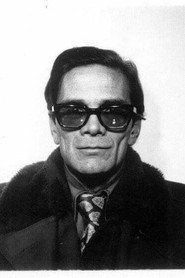

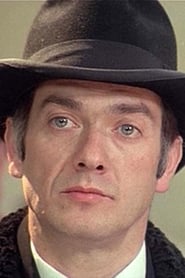
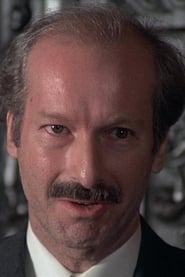
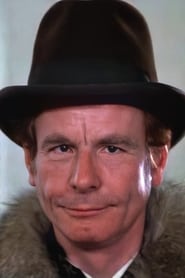






Meaning, unpacked
Central idea
The film can be read as Pasolini's claim that absolute power reduces human beings to consumable things, and that fascism and modern consumer society share this logic. Sade's libertines become a model of totalitarian appetite.
What it means
Four powerful men in the Salò Republic, the last phase of Mussolini's regime, shut young captives inside a villa and rule them with rules, ceremonies and schedules. You know what you saw. The question is what it was for.
Pasolini's answer is that absolute power turns human beings into consumable things, and that fascism and modern consumer society share that logic. The rulers use bodies as goods, then discard them. This is administration, not chaos: contracts, schedules and ceremonies make cruelty routine. Literature, music, religion and law serve as a mask. And guards, servants and some victims take part, which raises the question of how ordinary people keep tyranny going.
Why it mattered
Pasolini took the framework of Sade's unfinished book, moved it from eighteenth-century France to 1944 Italy, and added political commentary. He also added Dante, naming the chapters after circles of hell. That gives the film a fixed route downward, almost like a liturgy. It is not a faithful screen version of Sade, whatever the myth says.
The filmmaking is deliberately cold. Tonino Delli Colli's static, frontal, wide compositions keep you at a distance and make the villa feel like a stage for a ritual. The villa, designed by Dante Ferretti, is full of modern art and elegant furnishings, so sophistication clashes with behaviour. The libertines are played with an almost bureaucratic stillness, and the largely non-professional victims are treated as types. Near the end the rulers watch through binoculars, echoing you, watching suffering from a safe distance.
Before anyone tells you what to think: what did you make of it?
Log in to rate it and leave commentsIt takes one click with Google or an email link. You come straight back here.
Rate it, keep your notes, and find the next film.
Free, no ads. Your journal, your lists, a Cine Guide that remembers you.
Create your free spaceReaction was fierce. Pasolini was murdered on 2 November 1975, weeks before the first public showings, and that made every response charged. His death remains debated. A young man was convicted in 1976 but later changed his account, and no direct link to the film has been proven. The film was seized, banned or restricted in a number of countries, and legal battles lasted for years. Many critics called it unwatchable or pornographic, while some defenders argued from the start that it was a serious political allegory.
Over time, scandal gave way to study. Many scholars now read it as a major political allegory and the culmination of Pasolini's work, and it is taught in film, literature and cultural-studies courses, often with warnings. Restored editions, notably from Criterion, add essays and context. Its title has become shorthand for the unwatchable, usually by reputation rather than viewing. Critics still disagree over whether its method justifies its content. Later filmmakers who use discomfort to make viewers examine their role as spectators owe it a debt.
What happens
The captives are tortured and killed while the four men watch from a window through binoculars. The film then leaves them for two young guards, who dance together and casually ask each other a girlfriend's name.
The last image
Two young soldiers dance together in the villa, chatting about nothing, while the atrocity is left behind.
What it says
The ending moves from the rulers to ordinary young men to show that atrocity needs ordinary participants, and that everyday life goes on beside it. The binoculars also place you in the watcher's seat, asking what it means to look from a safe distance.
Or follow an idea from this film

Continue the director
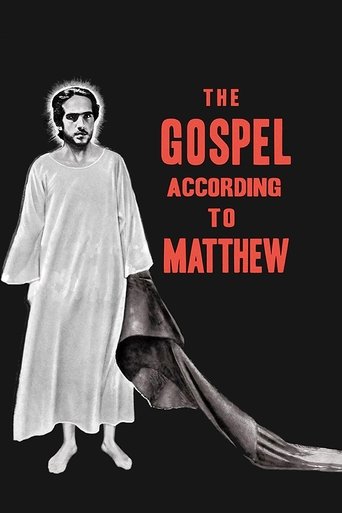
The Gospel According to St. Matthew (1964)
Pasolini's austere retelling of the life of Christ shows his Catholic and Marxist sensibility at its most reverent. It makes a sharp contrast with Salò.
Explore the era or movement
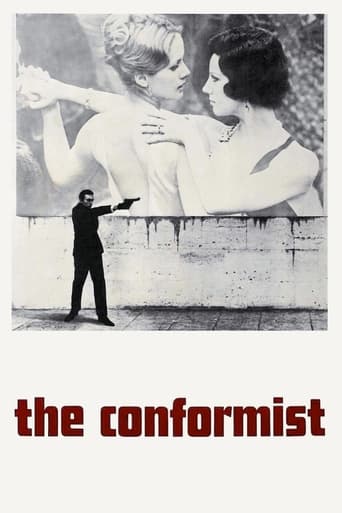
The Conformist (1970)
Bernardo Bertolucci's study of a man drawn into Italian fascism shows how 1970s Italian cinema treated the regime, with more elegance and psychology.

Follow the idea
Night and Fog (1956)
Alain Resnais's short documentary also asks how to look at atrocity and how memory is shaped, using a very different, measured approach.
Compare another approach
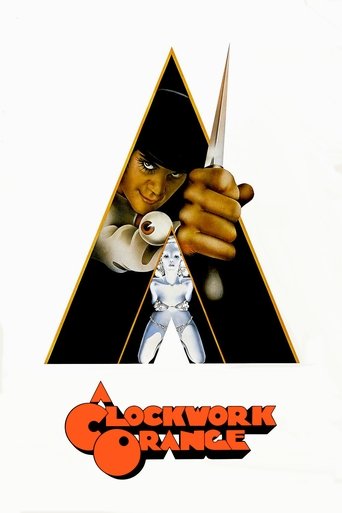
A Clockwork Orange (1971)
Kubrick also stages cruelty in a cool, stylised way that challenges the viewer's reactions, and it provoked its own censorship storms.
Jump forward
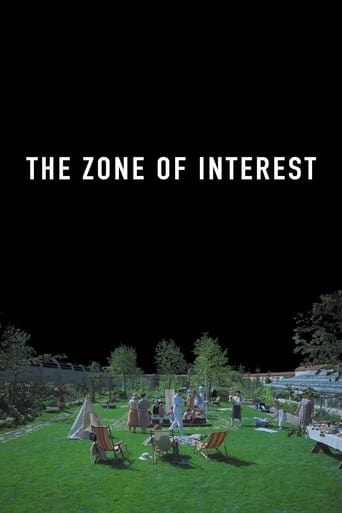
The Zone of Interest (2023)
Jonathan Glazer's film also relies on distance and ordinary routine to reveal how people live alongside atrocity.