Drama · Horror · Thriller
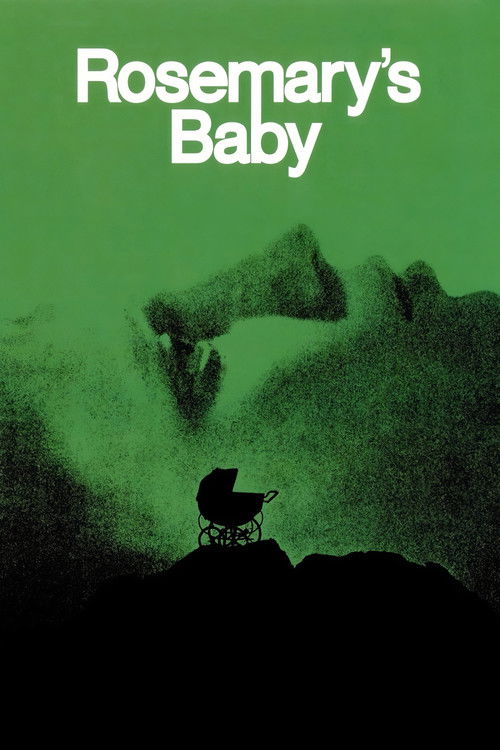
Rosemary's Baby
American
1968 · Directed by Roman Polanski · 138 min


Drama · Horror · Thriller
American
1968 · Directed by Roman Polanski · 138 min





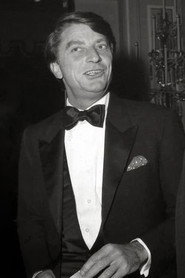
Meaning, unpacked
Central idea
The film explores the terror of being surrounded by people who claim to care for you while quietly deciding what happens to your body and life. It can be read as a horror story about trust, patriarchy and the loss of control.
What it means
Rosemary discovers that her husband and neighbours have handed her unborn child to the devil, and in the last room she looks into the cradle and chooses to stay. That is all the plot you need, because the film is about something else: the terror of being surrounded by people who say they care for you, while they quietly decide what happens to your body and your life. Her husband, her doctor and her neighbours each insist they know best, and Rosemary is told she is anxious, hormonal, imagining things.
Notice where the danger comes from. Not from strangers, but from a husband, a friendly neighbour and a respected doctor, so kindness becomes a tool. Guy's hunger for a career is what opens the door, and the film suggests ordinary ambition can be enough to let evil in. It was made in the year Time magazine asked whether God was dead, and it imagines the devil's triumph meeting indifference, and a mother's ambiguous acceptance.
Why it mattered
Polanski builds the dread through where he puts the camera. Conversations are often framed from adjacent rooms or through doorways, so you, like Rosemary, are always on the edge of information, and eavesdropping becomes a visual style. In the phone booth she calls for help, the camera lingers, and a stranger waits outside. Suspense comes purely from who can see and who cannot.
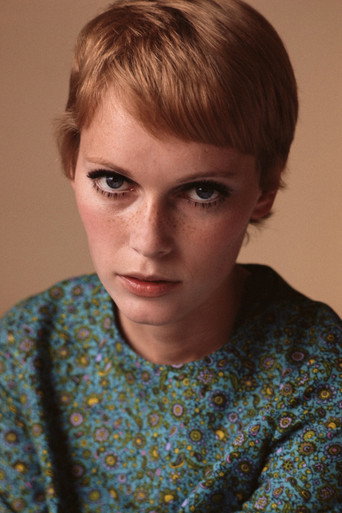
It also moved horror out of castles and into bright, ordinary apartments, where sunny rooms make the evil feel domestic. Released in June 1968, it was a major hit and one of Paramount's biggest of the year. Critics praised its restraint, realism and Mia Farrow. Ruth Gordon won Best Supporting Actress, and Polanski was nominated for his adapted screenplay.
Before anyone tells you what to think: what did you make of it?
Log in to rate it and leave commentsIt takes one click with Google or an email link. You come straight back here.
Rate it, keep your notes, and find the next film.
Free, no ads. Your journal, your lists, a Cine Guide that remembers you.
Create your free spaceIts influence is huge. It opened the way for The Exorcist, The Omen and a wave of seventies Satanic horror, and its paranoid, domestic dread runs on through Polanski's own The Tenant to Hereditary and Get Out. "Rosemary's baby" became a stock phrase for a sinister child, Farrow's cropped haircut became a fashion sensation, and a 2014 miniseries retold the story. Its reputation is also shadowed by Sharon Tate's murder and Polanski's later criminal case.
Today it ranks among the best horror films of its period. Feminist readings stress its portrait of medical and marital control, and its patience and ambiguity have aged better than many louder successors. Perhaps that is why it still unsettles: the worst thing in it is not a monster. It is being told, gently, again and again, that you are imagining it.
What happens
Rosemary learns her husband and neighbours have given her child to Satan. Told the baby died, she follows its cry through a hidden door and finds a coven worshipping her son. Horrified, she looks into the cradle.
The last image
Rosemary, surrounded by the coven, begins to rock the black cradle.
Three readings
What it says
The film refuses a comforting resolution. No one saves Rosemary and no good power intervenes, so the horror is that she is left to accept what was decided for her, and that the world she lives in barely notices.
Or follow an idea from this film
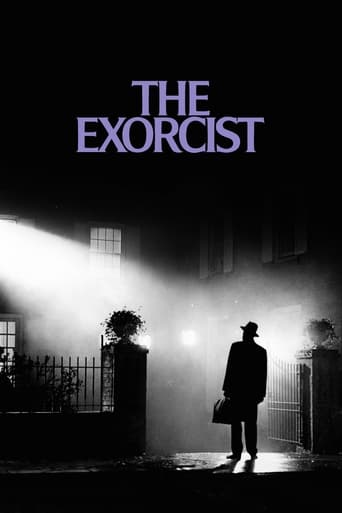

See its influence
The Exorcist (1973)
The most famous successor, which turned Rosemary's Baby's mainstream appeal for demonic horror into a far louder spectacle. Comparing the two shows what restraint achieves.
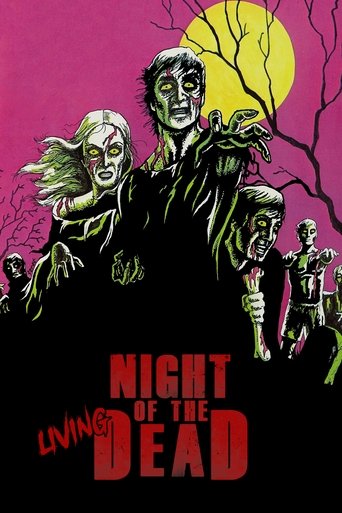
Explore the era or movement
Night of the Living Dead (1968)
Released the same year, it shows the other direction horror took: raw, low-budget and social rather than polished and psychological.
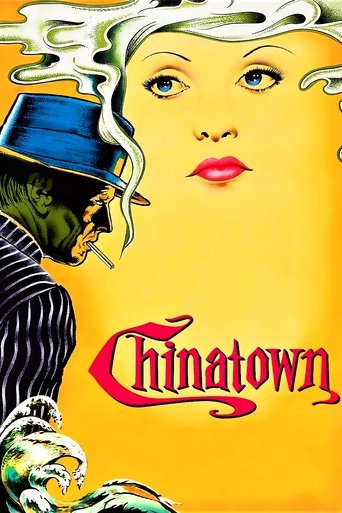
Continue the director
Chinatown (1974)
Polanski's other great American film moves from horror to noir but keeps his sense of corrupt authority, closed circles of power and an outsider closing in on the truth.
See what influenced it
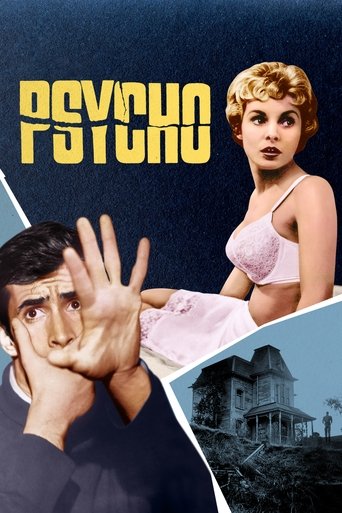
Psycho (1960)
Hitchcock's film demonstrates how ordinary spaces and manipulated audience sympathy prepared the ground for Polanski's domestic horror.
Follow the idea
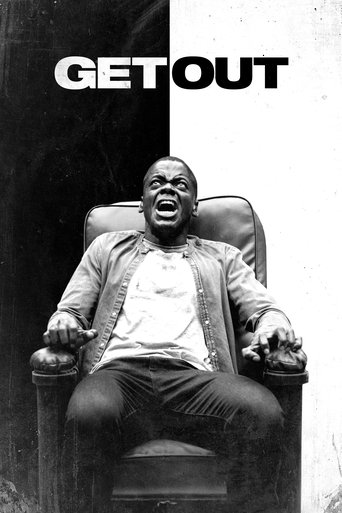
Get Out (2017)
A modern take on the same fear of welcoming strangers who want to possess you, filtered through racial anxiety.