Drama · War
Rome, Open City
Italian (Roma città aperta)
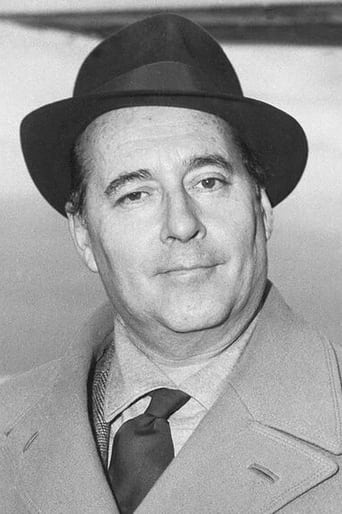
1945 · Directed by Roberto Rossellini · 104 min


Drama · War
Italian (Roma città aperta)
1945 · Directed by Roberto Rossellini · 104 min
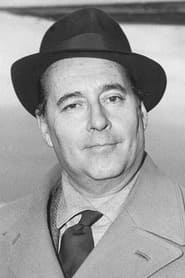
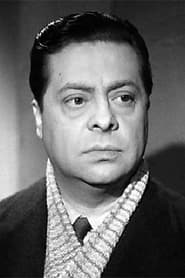
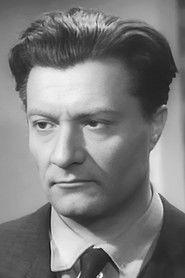


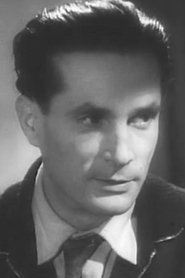


Meaning, unpacked
Central idea
The film can be read as an act of memory and moral testimony: it asks what ordinary people, a priest and a communist among them, owe each other under occupation, and shows solidarity as the only answer to brutality.
What it means
Rome, Open City follows a Resistance leader hunted by the Gestapo in occupied Rome. He is sheltered by ordinary people and a priest, until betrayal brings arrests, torture and death. The plot is simple. What matters is the question underneath it: what do ordinary people owe each other under occupation? The film's answer is solidarity. A priest and a communist work side by side, and neighbours hide neighbours. Shared resistance proves stronger than ideology or faith alone.
Notice who the heroes are: a printer, a widow and a priest, not generals. History happens in apartments and stairwells. The Resistance is no gallery of saints, either. It is undone from within by need, addiction and vanity. The Germans are organised, polished and cultured in manner, which makes their cruelty feel like a system. And children are everywhere, as lookouts, messengers and witnesses, so the film ties its hope to what they will inherit. It ends with boys walking toward Rome, the dome of Saint Peter's behind them: survival and inheritance, not victory.
One caution: scholars note that the Nazi characters are coded as decadent and sexually deviant, which they read as a period stereotype.
Why it mattered
Rossellini shot on real streets, courtyards and staircases in a city still scarred by war. Money arrived in pieces and film stock was scarce, so he used mismatched stock, which explains the uneven look. Dialogue was added afterwards, as was common in Italy. The event was raw: Rome was liberated in June 1944 and filming began in early 1945, so the occupation was only months behind.
Before anyone tells you what to think: what did you make of it?
Log in to rate it and leave commentsIt takes one click with Google or an email link. You come straight back here.
Rate it, keep your notes, and find the next film.
Free, no ads. Your journal, your lists, a Cine Guide that remembers you.
Create your free spaceThree myths are worth dropping. It was not shot in secret during the occupation. It is not pure documentary, since key roles went to professionals like Aldo Fabrizi, a popular comic, and Anna Magnani, and some interiors were built. And it was not the first neorealist film, because Visconti's Ossessione (1943) had already moved that way. This film made neorealism visible to the world. It showed you could make a powerful film outdoors, cheaply, about history people were still living through, mixing melodrama and suspense with a documentary surface.
It was a sensation abroad, though Italian reaction was mixed at first and the film grew through word of mouth. It shared the Grand Prix at the first Cannes festival in 1946, became a major success in the United States, and earned an Oscar nomination for its screenplay, written by Sergio Amidei and Rossellini with a young Federico Fellini. Magnani became an international star and a lasting symbol of the strong, working-class Roman woman. Ingrid Bergman was so moved that she wrote offering to work with Rossellini, and their affair became one of the big scandals of the late 1940s.
It opened the way for Rossellini's war trilogy, for De Sica and Visconti, and for filmmakers everywhere who shot on real streets with little money. The young French critics who became the New Wave admired it deeply. Today it is seen as a foundation of neorealism and postwar European cinema, and the best-known Italian film about the Resistance. Critics note its melodrama and its blend of staged and documentary elements, yet it is valued as much for its emotion as its realism. It still feels like someone bearing witness.
What happens
Manfredi dies under torture without betraying anyone. Don Pietro is shot by a firing squad, and an officer finishes him with a pistol after some soldiers deliberately miss. The occupiers' cruelty is shown, and so is the resistance of ordinary Italians.
The last image
The boys who watched the execution from behind a fence turn and walk back toward Rome, the dome of St Peter's in the distance.
What it says
The ending refuses a victory. Both men die, but they give nothing away, and the children who saw it all carry on into the city. The film offers survival and inheritance, and trusts the next generation to remember.
Or follow an idea from this film

Continue the director
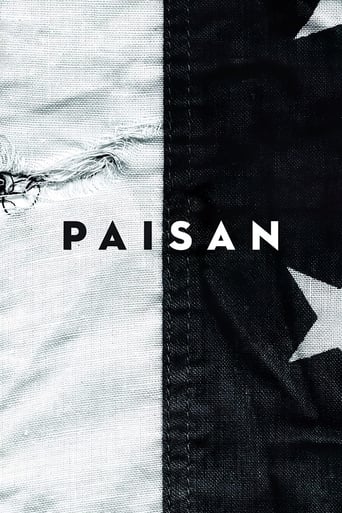
Paisan (1946)
Rossellini's next film follows the Allied advance through Italy in six episodes. It extends the street-level realism of this film into a wider portrait of the country.
Explore the era or movement
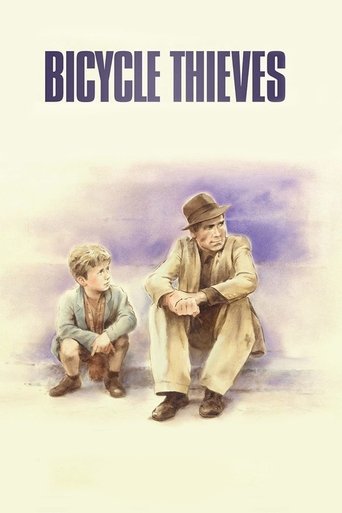
Bicycle Thieves (1948)
The best-known neorealist film shifts from war to postwar poverty, replacing melodrama with quiet, everyday observation.
See its influence
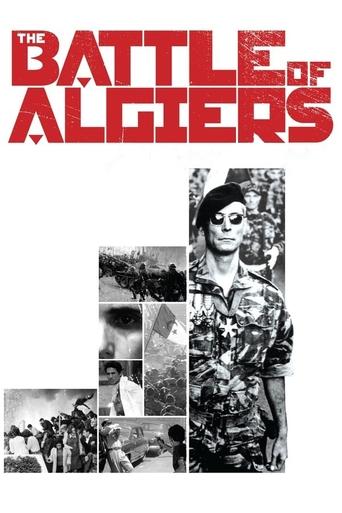
The Battle of Algiers (1966)
A film about urban resistance, shot in streets with a documentary look, shows how far this film's methods travelled.
Compare another approach
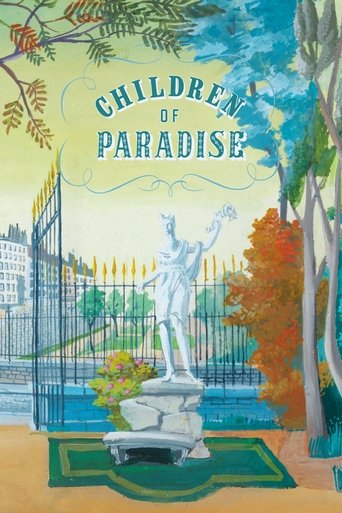
Children of Paradise (1945)
Made in occupied France and released the same year, it shows the opposite approach: a lavish studio work, not a street-level one.