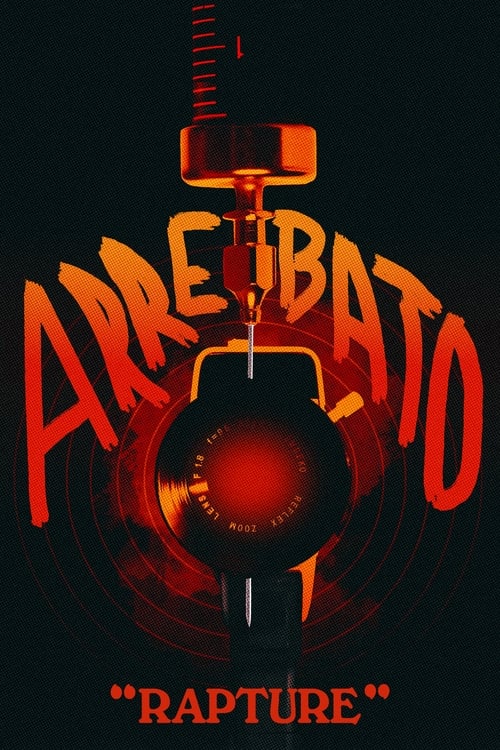
Drama · Fantasy · Horror
Rapture
Spanish (Arrebato)
1980 · Directed by Iván Zulueta · 110 min


Drama · Fantasy · Horror
Spanish (Arrebato)
1980 · Directed by Iván Zulueta · 110 min





Meaning, unpacked
Central idea
The film can be read as an exploration of addiction in which cinema is the drug: the urge to capture a moment on film becomes a hunger that consumes the person feeding it. The vampire motif turns that hunger into an image.
What it means
Rapture is a film about hunger. José, a worn-out horror director, is pulled in by a reel and a tape sent by Pedro, and ends up taking up the camera himself. The central idea is that cinema is the drug: the urge to capture a moment on film becomes a craving, and the craving consumes the person feeding it. That is why it sits so well beside José's heroin use. The two habits feed each other, and the film judges neither. It shows a numbness in which any intense sensation is tempting, and it leaves it there.
The vampire imagery is metaphor, not a monster story. The film cares far less about scares than about how people feed on one another, and on images, to feel alive. The key shift comes when José moves from receiving images to making them under Pedro's influence: obsession passes from one person to another. The closing image blurs person and recording, and leaves Ana, and you, asking what remains of someone once they have been filmed.
Why it mattered
Rapture was made in the years after Franco's death, in a country newly free to look at itself and unsure what to do with that freedom. Its openness about drugs, desire and nonconformity belongs to that moment, and it is often treated as a document of late-1970s Madrid, with its nightlife and sexual freedom.
Its form was just as unusual. Zulueta alternates smooth 35mm narrative with coarse, flickering Super 8 that stands for private, obsessive seeing. The film runs on loose association rather than strict cause and effect, so it feels closer to a trance than a plot. Zulueta was a graphic designer and poster artist, and you can see it in the saturated colour and strong compositions. That mix made it one of the most singular Spanish films of its period.
Before anyone tells you what to think: what did you make of it?
Log in to rate it and leave commentsIt takes one click with Google or an email link. You come straight back here.
Rate it, keep your notes, and find the next film.
Free, no ads. Your journal, your lists, a Cine Guide that remembers you.
Create your free spaceAt first, almost nobody noticed. The film was little seen on release, and its unconventional structure and uneasy subject made it hard to market. Nobody called it a landmark. Through revivals and word of mouth over the following decades, it was rediscovered.
Today it is regarded as one of the key Spanish films of its era, with a devoted cult following. It became a touchstone for Spanish filmmakers drawn to cinema's darker, more obsessive side. Eusebio Poncela and Cecilia Roth both went on to work with Pedro Almodóvar, tying the film to the Madrid scene that soon transformed Spanish cinema. Zulueta's small output and personal story add to the mystique. Its last gift is an uncomfortable one: every time we film something we love, we make a copy of it, and Rapture asks what the copy takes in return.
What happens
Pedro vanishes, and José picks up his camera and films the way Pedro did, withdrawing from Ana and from daily life. In the end José disappears into his own images, and Ana is left with a recording in which he speaks to her from inside the film.
The last image
Ana is left facing a recording in which José, now inside the film itself, speaks to her.
What it says
The ending makes the film's idea literal: cinema is a hunger that consumes whoever feeds it. José goes the way Pedro went, so the obsession passes on like a contagion. It leaves you asking what remains of someone once they have been filmed.
Or follow an idea from this film
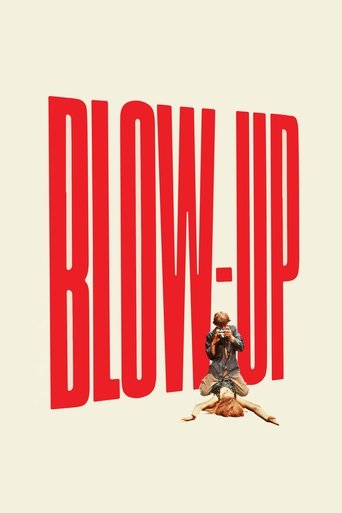

See what influenced it
Blow-Up (1967)
Antonioni's film shares the idea of an image-maker lost in what he records. Seeing it first clarifies how Zulueta pushes that concern toward obsession.
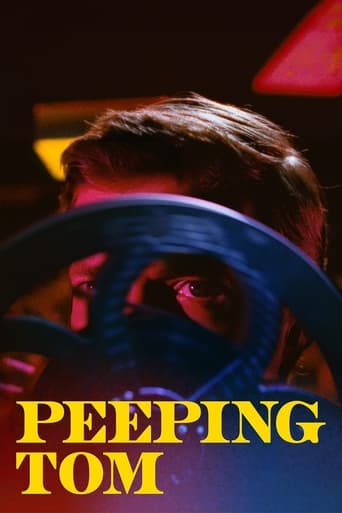
Compare another approach
Peeping Tom (1960)
Another film in which the camera is both tool and compulsion. Comparing the two shows very different approaches to the same fear.
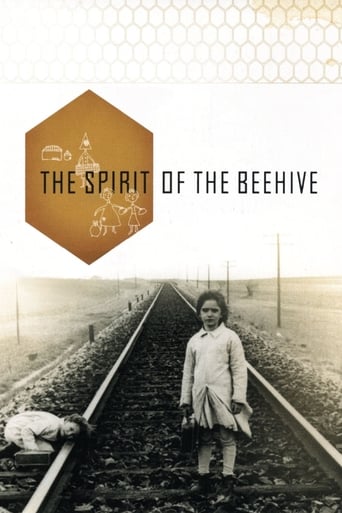
Explore the era or movement
The Spirit of the Beehive (1973)
A Spanish film about the power of cinema over the imagination, made under Franco. It shows the tradition Rapture breaks away from.
Jump forward
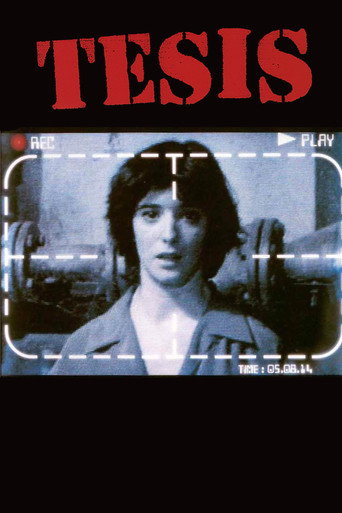
Thesis (1996)
A Spanish thriller about the danger of images and the desire to see them, showing how later filmmakers inherited these anxieties.
Follow the idea
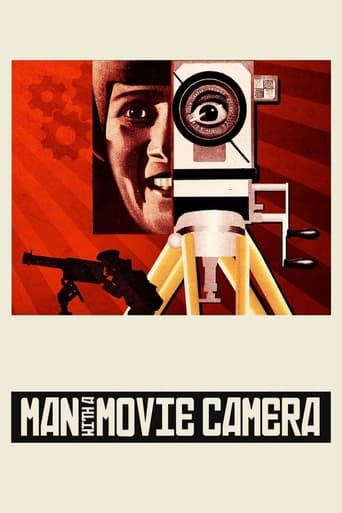
Man with a Movie Camera (1929)
A celebration of the camera's power to see, made with total confidence. It makes a useful counterpoint to Zulueta's view of filming as a compulsion.