Thriller · Crime · Comedy
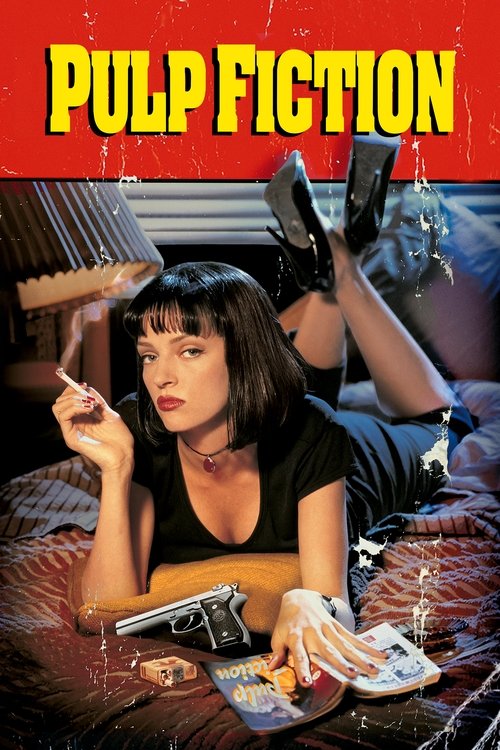
Pulp Fiction
American
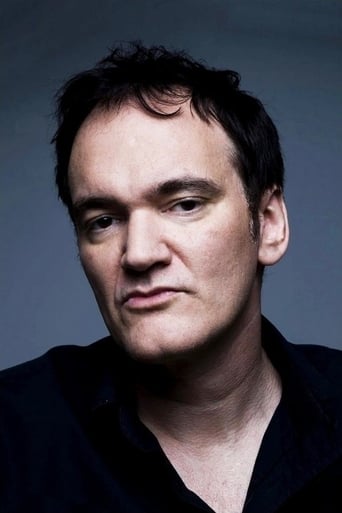
1994 · Directed by Quentin Tarantino · 154 min


Thriller · Crime · Comedy
American
1994 · Directed by Quentin Tarantino · 154 min
Meaning, unpacked
Central idea
The film can be read as a pulp crime story about chance, honour and redemption, in which violent men are surprised by moments of grace, and in which the way events are arranged matters as much as the events.
What it means
On the surface, Pulp Fiction is a pulp crime story. Underneath, it is about chance, honour and redemption: violent men who are surprised by moments of grace. Hit men, a boxer and a boss's wife drift in and out of each other's stories, and the film keeps asking whether survival is luck or a sign.
That question comes to a head with Jules. A man hiding in an apartment fires at both hit men and misses. Jules takes it as a miracle and decides to quit; Vincent shrugs it off as luck. The film never says who is right, but it takes the question seriously enough to change one man's path. Around it sit loyalty and broken promises, the idea that ordinary talk about burgers and TV pilots can turn into philosophy, and violence that is both funny and terrible. The film won't tell you which to feel. That's your call.
Why it mattered
The big novelty was the arrangement. Three main stories and a framing sequence are shuffled out of order. Vincent dies in the Butch chapter, yet turns up alive in others. It is a common myth that the order is random. It isn't. Each chapter runs in sequence, and the shuffling holds back one outcome until the end, so the suspense moves from what happens to how and why.
It also put talk at the centre of a crime movie. Long, circling conversations about trivial things give scenes a comic rhythm and a sense of menace. Add surf rock, soul and pop in place of a conventional score, and tight, economical staging that often frames violence from a distance or the side. It was made outside the studios' usual thinking: TriStar put the script into turnaround, and Miramax stepped in and financed it. It proved that a violent, nonlinear, dialogue-driven film could reach a mass audience.
Before anyone tells you what to think: what did you make of it?
Log in to rate it and leave commentsIt takes one click with Google or an email link. You come straight back here.
Rate it, keep your notes, and find the next film.
Free, no ads. Your journal, your lists, a Cine Guide that remembers you.
Create your free spaceIt won the Palme d'Or at Cannes and earned seven Oscar nominations, with one win for original screenplay. It made far more than its modest budget. A wave of 1990s crime films borrowed its chatty hit men, ironic violence and shuffled timelines, and its success made independent distribution look commercially viable. Tarantino's later films kept developing his blend of genre and dialogue.
Some viewers objected to the violence and casual language, and that debate hasn't gone away. But the energy and writing were widely praised, and today it is Tarantino's most celebrated film and a common first stop for anyone studying 1990s cinema. The images and lines went everywhere: black suits and skinny ties, Mia's black bob, the twist contest, the Ezekiel speech, the Royale with Cheese. Misirlou and Son of a Preacher Man found new audiences, and The Simpsons and Family Guy have both played with it.
What happens
The film ends in the diner where it began. Jules talks the robbers down and spares them, then walks out with Vincent. Because the order is shuffled, you now see this scene after Jules has already been changed.
The last image
Jules and Vincent walk out of the diner together, one transformed and the other unchanged.
Two readings
What it says
The ending shows a man deciding what his survival means. The film never says whether it was miracle or luck. By placing this scene last, it makes Jules's choice, not chance, the moral centre.
Or follow an idea from this film

Continue the director
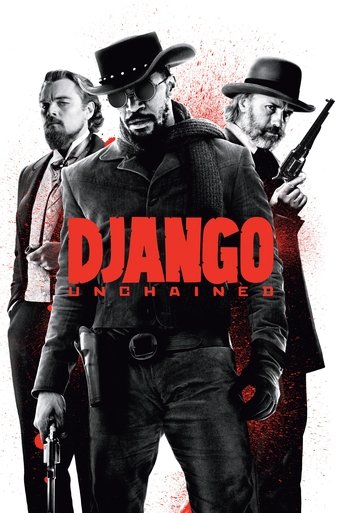
Django Unchained (2012)
Tarantino applies his dialogue-driven style to a Western and to American slavery, showing how his approach to violence and genre evolved.
See what influenced it
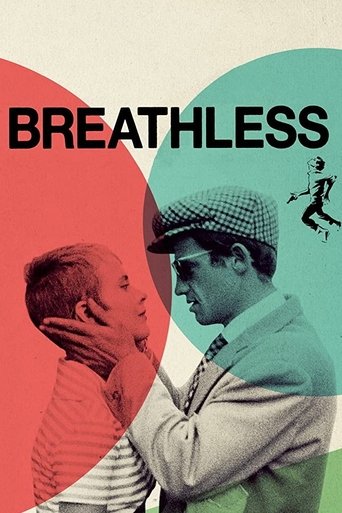
Breathless (1960)
The French New Wave classic treats gangster movies with the same love and irreverence, a clear ancestor of Tarantino's playful borrowing.
Follow the idea
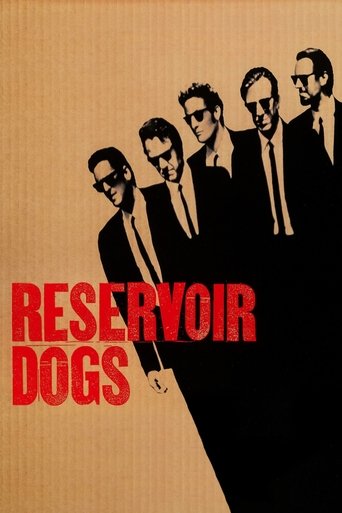
Reservoir Dogs (1992)
The film that introduced Tarantino's dialogue-heavy criminals and shuffled chronology is the natural companion and starting point.

Compare another approach
GoodFellas (1990)
Scorsese's crime film from four years earlier is just as stylish and funny, but frames violence with realism and consequence, a useful contrast.
Explore the era or movement
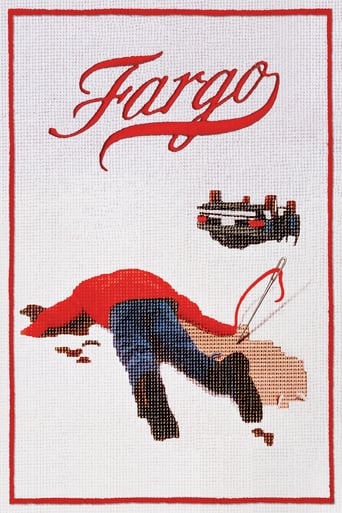
Fargo (1996)
Another dark crime comedy from the mid-1990s independent boom, with deadpan dialogue and a very different regional sensibility.