Adventure · Fantasy · Animation
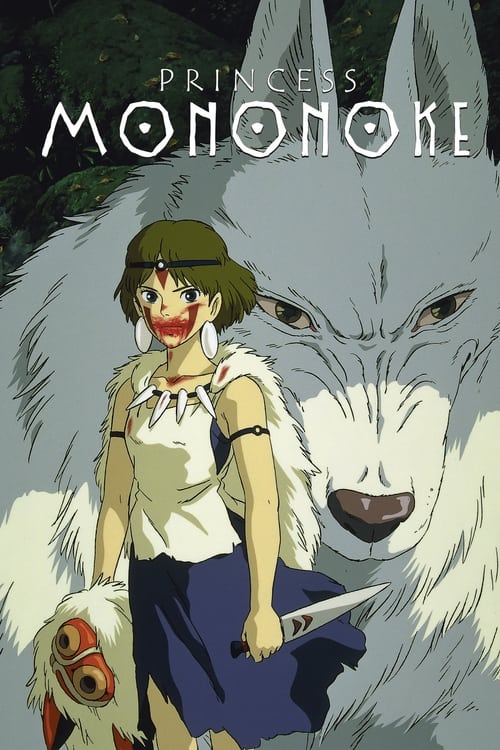
Princess Mononoke
Japanese (もののけ姫)
1997 · Directed by Hayao Miyazaki · 134 min


Adventure · Fantasy · Animation
Japanese (もののけ姫)
1997 · Directed by Hayao Miyazaki · 134 min
Meaning, unpacked
Central idea
The film can be read as an argument that nature and human progress cannot be separated into heroes and villains. Its hero is neither side's partisan but a mediator, and it asks whether coexistence is possible once damage has been done.
What it means
Princess Mononoke argues that nature and human progress cannot be sorted into heroes and villains. Its hero, Ashitaka, is marked by a raging boar god and belongs to neither side. He is a mediator, and his journey between the forest and the ironworking town lets you meet each camp in turn and hear its case before the conflicts collide.
No one here is only one thing. Lady Eboshi shelters outcasts and lepers while destroying the woods. San defends the forest with violence against people. The forest gods are capable of rage and destruction. People often read the film as nature good, humans bad, but it deliberately refuses that split, and Miyazaki himself described the conflict as having no clear villain. Ashitaka's curse shows rage made physical: hatred harms the people who carry it as much as those it is aimed at. At the climax, one act of ambition causes catastrophe, and Ashitaka and San respond by undoing harm rather than taking revenge. The ending offers no return to the past. It proposes living alongside damage and difference, which is more hopeful, and harder, than triumph.
Why it mattered
In 1997 it was a defining film of Studio Ghibli and of late twentieth-century hand-drawn animation. It moved Japanese animation from children's entertainment and niche fandom toward the centre of world cinema, showing that animation could carry a dark, adult historical epic with no simple villain.
The craft was extraordinary. Miyazaki first sketched the story in the early 1980s, and the film took around three years to make. He personally reviewed and redrew a large share of the key frames and hand-corrected thousands, giving running animals and battle crowds a physical weight rare in animation. Most of it was cel-animated, with digital ink and paint and a modest amount of computer imagery blended in. In Japan it became the highest-grossing film up to that time, until Titanic passed it later the same year.
Before anyone tells you what to think: what did you make of it?
Log in to rate it and leave commentsIt takes one click with Google or an email link. You come straight back here.
Rate it, keep your notes, and find the next film.
Free, no ads. Your journal, your lists, a Cine Guide that remembers you.
Create your free spaceIts English release in 1999, with a script adapted by Neil Gaiman, was warmly received by critics but did not reach a mass audience. Still, it helped open Western audiences and distributors to Studio Ghibli and prepared the ground for Spirited Away's global success. Its mix of environmental themes, mythic fantasy and morally grey conflict has shaped later animated and live-action fantasy.
Today it is regarded as one of Miyazaki's central works and among the greatest animated films, admired for its seriousness. Its ecological concerns, once seen as niche, have only gained relevance, and universities use it in courses on environmental humanities and Japanese culture. The little white kodama became one of its best-known images, Yakushima's mossy forests draw fans, and there is even a stage version with Joe Hisaishi's music, staged in Tokyo and London.
What happens
Eboshi beheads the Forest Spirit and a deadly flood follows. Ashitaka and San return the head, the forest is spared, and Ashitaka's curse lifts. Eboshi resolves to rebuild Irontown more kindly, and the two part, promising to meet again.
The last image
Kodama appear again among the trees of the scarred but regrowing forest.
What it says
The forest is spared but not restored, because the film never believed in a clean victory. Ashitaka and San undo harm instead of seeking revenge, and the ending asks you to live alongside damage and difference, which is harder than triumph.
Or follow an idea from this film

Continue the director
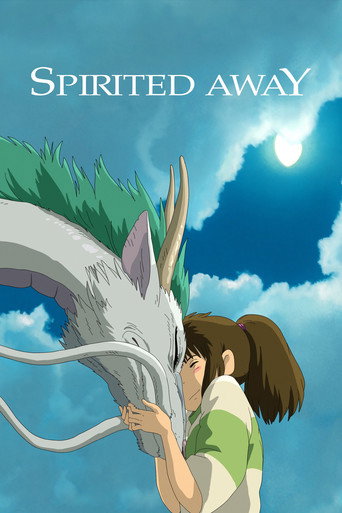
Spirited Away (2001)
Miyazaki's next major film shifts to a younger heroine and a spirit world, carrying over the sense of wonder and moral ambiguity in a gentler key.
Continue the director
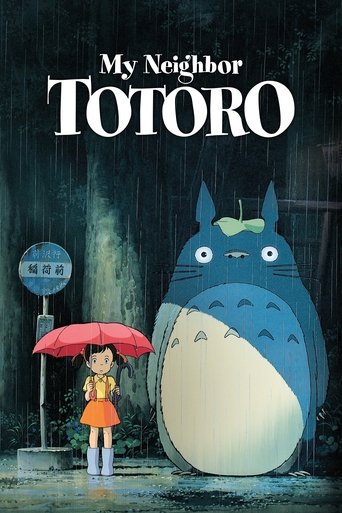
My Neighbor Totoro (1988)
A quieter early Miyazaki film that shows the same love of nature and spirits in a warm, child-centred form, a useful contrast with this epic.

See what influenced it
Seven Samurai (1954)
Kurosawa's epic of communal conflict and moral weight is a clear ancestor of Mononoke's historical action and ensemble approach.
Explore the era or movement
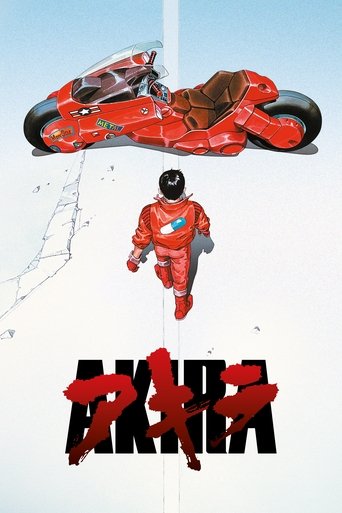
Akira (1988)
Another landmark of hand-drawn Japanese animation aimed at adults, with a very different tone and setting but similar ambition.
Follow the idea
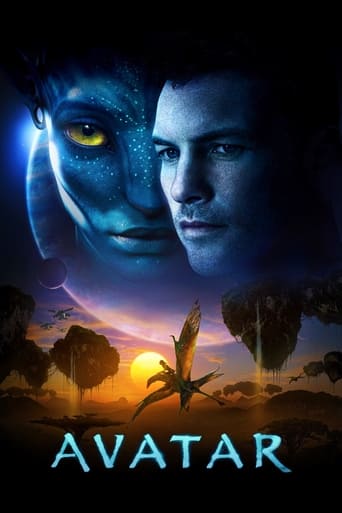
Avatar (2009)
A live-action fantasy about a sacred natural world threatened by industry, useful for comparing how a Hollywood blockbuster handles a similar conflict.