Crime · Drama · Thriller
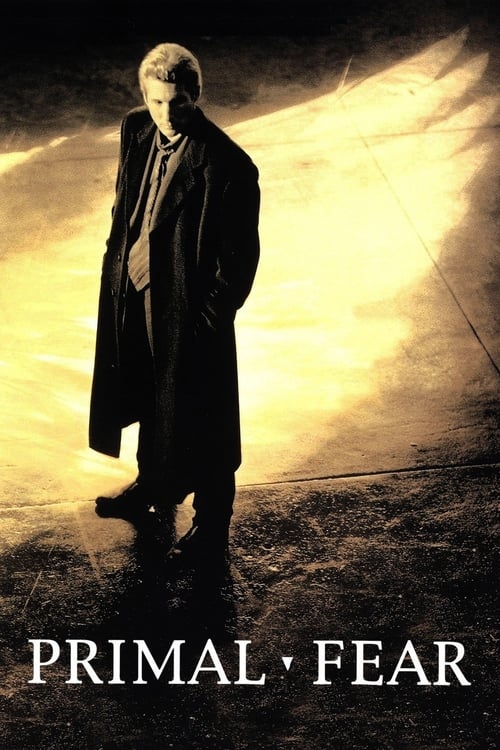
Primal Fear
American
1996 · Directed by Gregory Hoblit · 130 min


Crime · Drama · Thriller
American
1996 · Directed by Gregory Hoblit · 130 min
Meaning, unpacked
Central idea
The film is about the gap between appearance and truth, and about a lawyer who believes his job is to sell an image. It tests whether a man who treats innocence as a performance can recognise the real thing, or its absence.
What it means
Primal Fear follows Martin Vail, a slick Chicago defence lawyer who takes the case of a stuttering, timid altar boy who seems to have a second, violent self. In the end, it is the lawyer who has been played. That reversal is the heart of the film: the gap between appearance and truth. Vail believes his job is to sell an image, so the film asks a sharp question. If a man treats innocence as a performance, can he recognise the real thing, or its absence?
Nearly everyone here is playing a part: the lawyer for the press, the prosecutor for the public, the client for whoever is listening. That makes observation itself the subject. Around it sit institutional power, with the Church, politicians and developers guarding their reputations, and the gap between a legal verdict and moral truth. Vail ends with a verdict that satisfied the law but not his conscience. The unease is simple: he was not fooled by a stranger, but by what he wanted to see.
Why it mattered
Primal Fear arrived when the 1990s legal thriller was at its height, and it is a polished example of the genre: a star lawyer, a high-profile trial, and a plot that keeps you second-guessing what you have been shown. The script is built like a puzzle, with each revelation changing the meaning of earlier scenes, which is why it rewards a second viewing.
It was also a debut on two fronts. Gregory Hoblit, a veteran of television drama, made his first feature, and you can feel it in the clear storytelling and the close camera work on faces and reaction shots. Edward Norton, then largely unknown, made his first film and earned an Oscar nomination for Best Supporting Actor. He plays two apparent selves, each with its own voice, posture and eye contact, against Richard Gere's smoother, self-satisfied lawyer.
Before anyone tells you what to think: what did you make of it?
Log in to rate it and leave commentsIt takes one click with Google or an email link. You come straight back here.
Rate it, keep your notes, and find the next film.
Free, no ads. Your journal, your lists, a Cine Guide that remembers you.
Create your free spaceThe film helped establish the twist-driven courtroom thriller as a studio staple and set a template for performance-centred reveals in later crime dramas. Its ending, in which the timid altar boy turns out to have been acting, became a widely cited surprise. It is also mentioned when people discuss how thrillers use split personalities, since here the condition is revealed as faked, which feeds debates about how fiction shapes ideas of mental illness. Vail serves as a reference point for the limits of trusting a client.
Reviews were generally positive, with critics praising Norton far more than a plot some found conventional. It did solidly at the box office and made Norton a name almost overnight. Today it is remembered as a well-made 1990s legal thriller and as the debut that announced him. Its story of an archbishop abusing altar boys now reads differently, coming years before clergy-abuse scandals dominated the headlines.
What happens
After Aaron is acquitted by reason of insanity, Vail visits him one last time. A slip shows that the violent second self, Roy, never existed. Aaron acted throughout and killed the archbishop himself. Vail walks out stunned.
The last image
Vail leaves the cell in shock, understanding that his own skill helped set a murderer free.
What it says
Vail sold an image and was beaten by a better performance. The ending separates a legal verdict from moral truth: the court was satisfied, his conscience is not. He was fooled by what he wanted to see.
Or follow an idea from this film
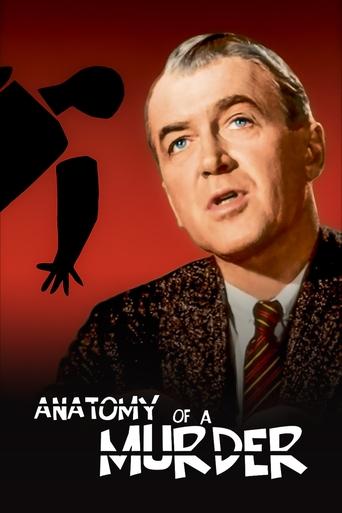

Compare another approach
Anatomy of a Murder (1959)
A classic courtroom drama in which guilt and motive stay uncertain, useful for comparing how two eras handle a lawyer's doubts.
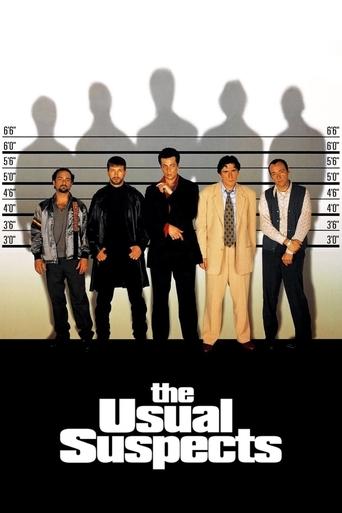
Explore the era or movement
The Usual Suspects (1995)
Released a year earlier, it shows the 1990s taste for twist-driven crime stories built on performance and unreliable accounts.
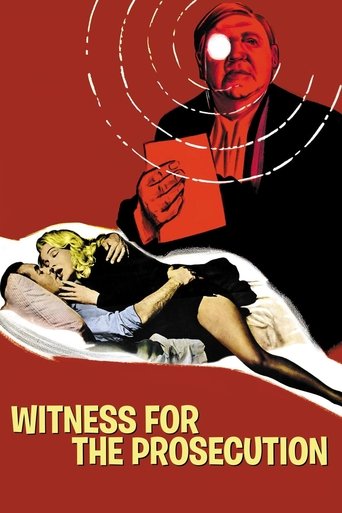
Follow the idea
Witness for the Prosecution (1957)
Another courtroom story in which the surprise depends on how convincingly a person plays a role.
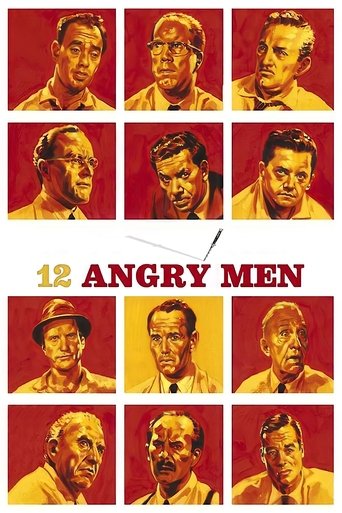
See what influenced it
12 Angry Men (1957)
The foundational American film about the weight of reasonable doubt, which gives context to the idea of justice under strain.
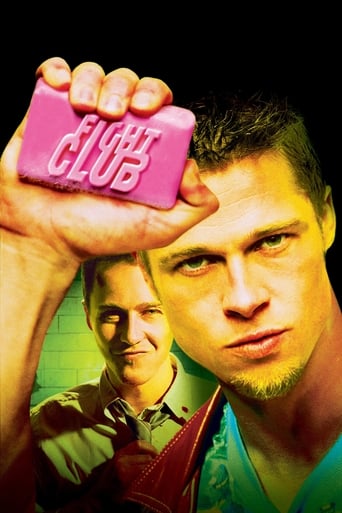
Jump forward
Fight Club (1999)
Shows Edward Norton's next major step, and another film that depends on how a performance reframes what you thought you saw.