Drama
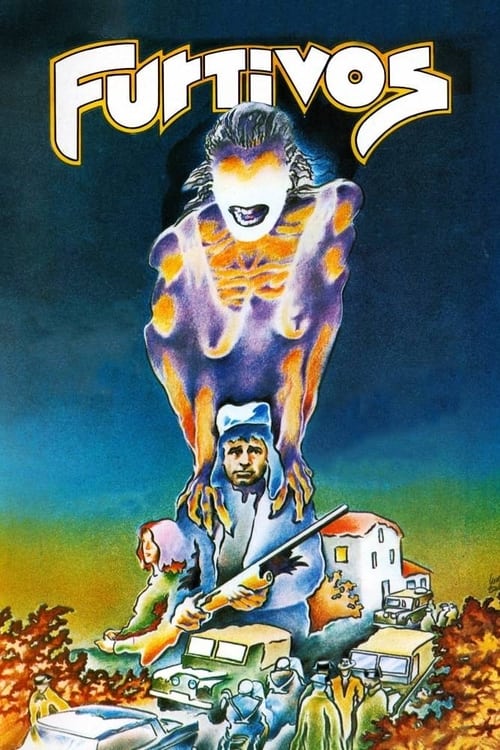
Poachers
Spanish (Furtivos)
1975 · Directed by José Luis Borau · 82 min


Drama
Spanish (Furtivos)
1975 · Directed by José Luis Borau · 82 min
Meaning, unpacked
Central idea
The film can be read as a study of possession and control. A mother keeps her son bound to her, and the local elite treats the land and its people as theirs. Both pressures break down when an outsider arrives.
What it means
Poachers is about possession and control. Martina keeps her grown son bound to her, and when a runaway girl, Milagros, arrives from outside their world, desire is set against loyalty and everything starts to break.
The big idea is that the household is a small state. Martina's grip is emotional, economic and physical, while the wealthy and the officials hunt and decide as they please. Put the two side by side and the allegory is hard to miss: you can read it as a comment on an authoritarian society. Freedom and confinement run through it too. The girl, the poacher and the animals all live under some constraint, and the open forest offers escape and danger at once. Desire works the same way, tangled up with fear, shame and control.
Why it mattered
The film appeared in 1975, as Franco's rule was ending, and won the top prize at the San Sebastián Film Festival. Spanish audiences read its picture of dominance and hierarchy against that backdrop, and it became one of the most discussed Spanish films of the year. Its frankness about sex, incest and violence arrived just as censorship was loosening, and it is often cited as a sign of how far cinema could go around the end of the regime.
Part of its power comes from how little there is. Borau wrote it with Manuel Gutiérrez Aragón in a lean thriller shape with very few characters, which makes the political and psychological ideas feel concrete. Violence and sexuality are staged through suggestion, framing and timing, which suited the censors and the film's tone alike. Look back at the quiet early domestic scenes: nothing dramatic happens, yet Martina's authority is built from everyday detail, and the rest would not land without them.
Before anyone tells you what to think: what did you make of it?
Log in to rate it and leave commentsIt takes one click with Google or an email link. You come straight back here.
Rate it, keep your notes, and find the next film.
Free, no ads. Your journal, your lists, a Cine Guide that remembers you.
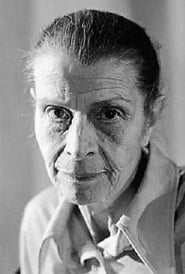
Create your free spaceThe film helped establish rural Spanish drama as a vehicle for political allegory. It fed into the work of Gutiérrez Aragón and others in the transition years, and its dark mother and son dynamic echoes in later Spanish films about family and power. Lola Gaos's Martina, often read as a figure for Franco-era authority, helped fix the image of the fierce, possessive rural matriarch in Spanish popular memory.
Today it remains one of the key Spanish films of the 1970s and is still shown in courses on Spanish cinema and the transition to democracy. Over time it has been read less as topical commentary and more as a lasting study of power and family. The forest and the kitchen may be different places, but the same grip can hold in both.
What happens
Ángel tries to run away with Milagros, but the escape fails. The violence erupts inside the family itself, and the bond between mother and son proves deadly. Nobody at the bottom gets free, and the powerful are left almost untouched.
The last image
The film closes on the aftermath of that violence, in the same world that was never going to let anyone go.
What it says
The ending shows that Martina's grip and the power around her are one system. Ángel cannot leave either. The film ends here because it is an allegory of an authoritarian society, in which the powerful stay safe and the poor pay the price.
Or follow an idea from this film

Explore the era or movement
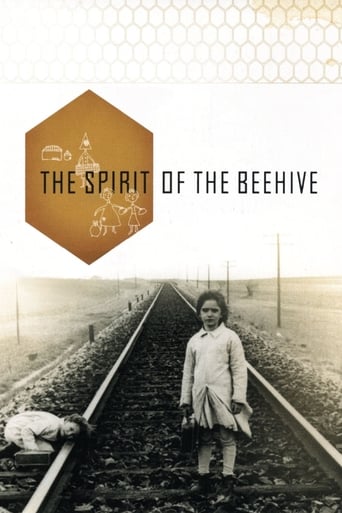
The Spirit of the Beehive (1973)
Another Spanish film made under late Franco that speaks through silence and landscape, with a child's view in place of Furtivos's raw adult conflict.
See what influenced it
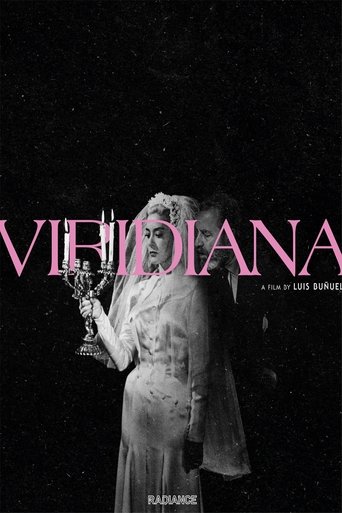
Viridiana (1961)
Buñuel's Spanish film uses sexuality, hierarchy and irony to confront authority under censorship, one of the roots of this tradition.
Compare another approach
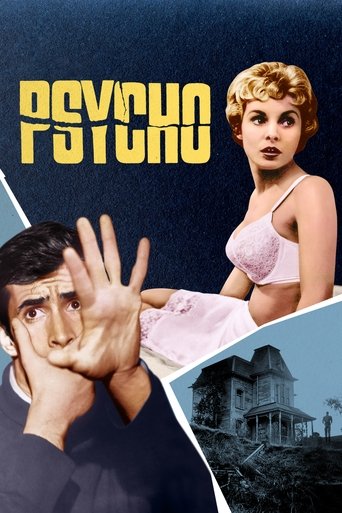
Psycho (1960)
Another study of a possessive mother and her son, in a very different register. Compare how each film builds menace from the family.
Explore the era or movement
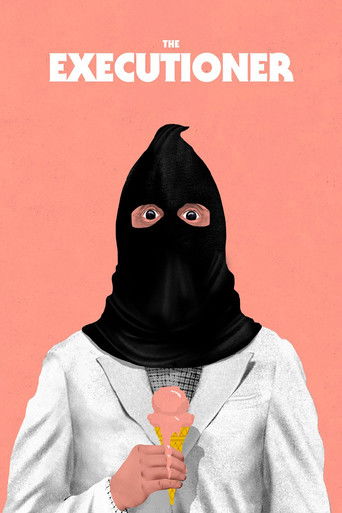
The Executioner (1963)
Berlanga's black comedy shows an earlier way to criticise Franco-era Spain obliquely, through satire where Borau uses tension.

Jump forward
El Sur (1983)
Erice's film, made after the dictatorship, looks back at family silence and repression with a gentler, more elegiac touch.