Drama · Romance
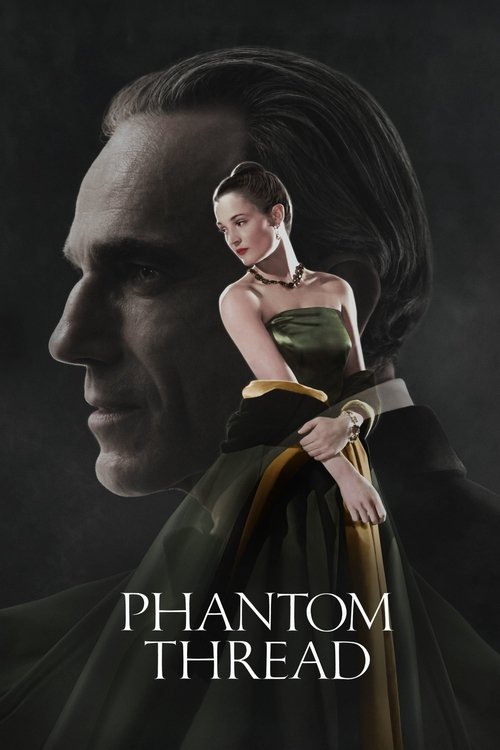
Phantom Thread
American
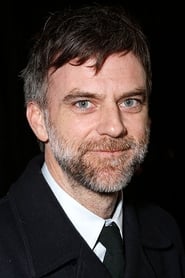
2017 · Directed by Paul Thomas Anderson · 130 min


Drama · Romance
American
2017 · Directed by Paul Thomas Anderson · 130 min






Meaning, unpacked
Central idea
The film can be read as an examination of what love demands when two people each need control: it asks whether devotion can survive without some surrender, and how care, dependency and power can become the same thing.
What it means
On the surface, this is a story about a fastidious dressmaker in 1950s London and a woman who will not be managed. By the end, she has made him helpless on purpose, and he agrees to it. But the film is really asking what love demands when two people each need control. Can devotion survive without some surrender? And how can care, dependency and power turn into the same thing?
Think of how many acts here are tender and controlling at once: nursing someone, feeding them, dressing them. The film never tells you which reading is right. It keeps both alive. Anderson has said the idea grew from being ill and looked after, and noticing that care can feel loving and slightly controlling at the same moment. Add an artist whose genius cannot be separated from his fussiness and selfishness, and a house that runs like a script of breakfasts, rules and silences. The drama begins when Alma changes the lines. Perhaps the film's answer is that nobody gets love on their own terms. You can only keep negotiating, and hope you both want the same bargain.
Why it mattered
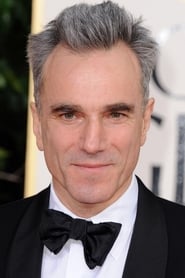
Phantom Thread took a period setting and turned it into a psychological study rather than a costume pageant. After sprawling American stories, Anderson made a small, tightly composed English chamber drama, showing a major director changing register without losing his command of detail. It reunited him with Daniel Day-Lewis, and it was presented as the actor's final screen performance.
It also showed how much a film can say through craft instead of speeches. Costume, sound and music carry the emotion. Everyday noises are mixed loud and close, so a breakfast becomes a battleground. Jonny Greenwood's music runs almost continuously, lush on top with a nervous undertone. Anderson photographed it himself, uncredited, with a soft, warm 35mm image and a close, mobile camera. It is a romance told through process rather than declarations, where craft is the plot.
Before anyone tells you what to think: what did you make of it?
Log in to rate it and leave commentsIt takes one click with Google or an email link. You come straight back here.
Rate it, keep your notes, and find the next film.
Free, no ads. Your journal, your lists, a Cine Guide that remembers you.
Create your free spaceThe film helped renew interest in intimate, psychologically sharp period dramas about artists and power. It also extended Jonny Greenwood's reach as one of the leading film composers of his generation. The fashion press took notice, and the film fed fresh interest in mid-century couture and in dressmaking as a craft.
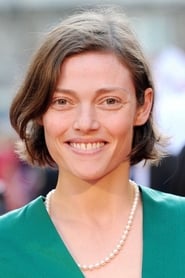
Critics praised its elegance, its black humour and Day-Lewis's performance, and many singled out Lesley Manville and Vicky Krieps. Some found it cold and slow. It earned six Oscar nominations, including Best Picture, Director, Actor, Supporting Actress and Score, and won for Costume Design. Its standing has grown since. Viewers who first found it chilly now often see a dark comedy of manners and a strangely moving study of a marriage as a negotiation. People still argue over the final omelette: dark romance, or mutual manipulation? And the breakfast scenes live on as memes, shorthand for exacting perfectionism.
What happens
Alma serves Reynolds an omelette made with the poisonous mushrooms. He knows exactly what is in it and eats it anyway. She wants him helpless and in her care, and he accepts. They go on living by that pact.
The last image
Alma, telling the story to a doctor, describes the life she and Reynolds now share, with him weak, cared for and willing.
Two readings
What it says
The ending shows that love here is also a bargain over power. Care and control become the same act, and neither of them gets love on their own terms. Anderson keeps both readings alive instead of choosing.
Or follow an idea from this film
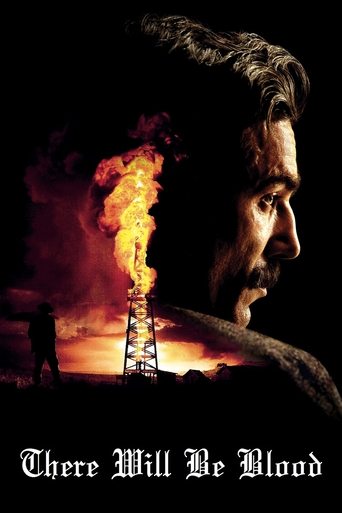

Continue the director
There Will Be Blood (2007)
Anderson's first collaboration with Day-Lewis, another portrait of a driven man whose obsession shapes everyone around him, on a far larger canvas.
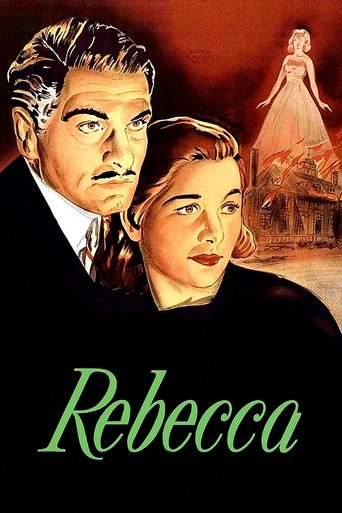
See what influenced it
Rebecca (1940)
Hitchcock's gothic romance gives a clear model for a young woman entering a closed household and testing its rules.
Follow the idea
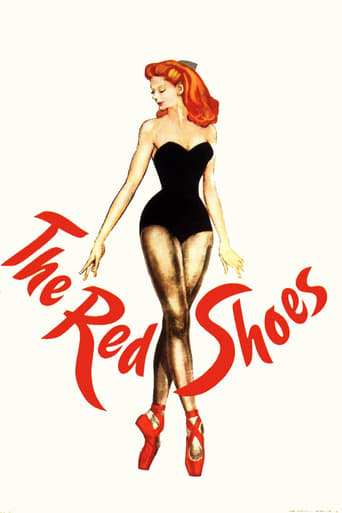
The Red Shoes (1948)
Another film about artistic devotion and its price, showing the same collision of love and craft in a very different, more flamboyant style.
Compare another approach
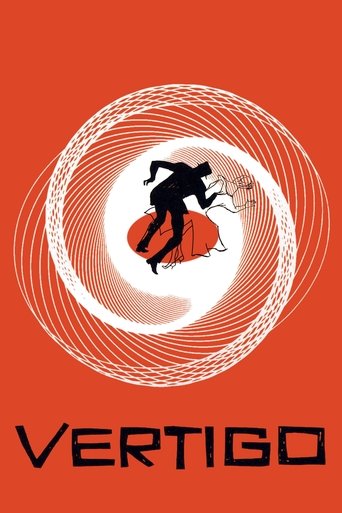
Vertigo (1958)
Hitchcock's study of obsession, appearance and control makes a revealing companion, with a very different attitude to the woman at its centre.
Jump forward
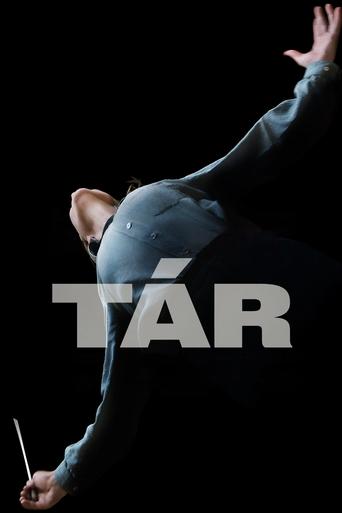
TÁR (2022)
A later portrait of a commanding artist, showing how the genius-and-power theme is handled in a contemporary setting.